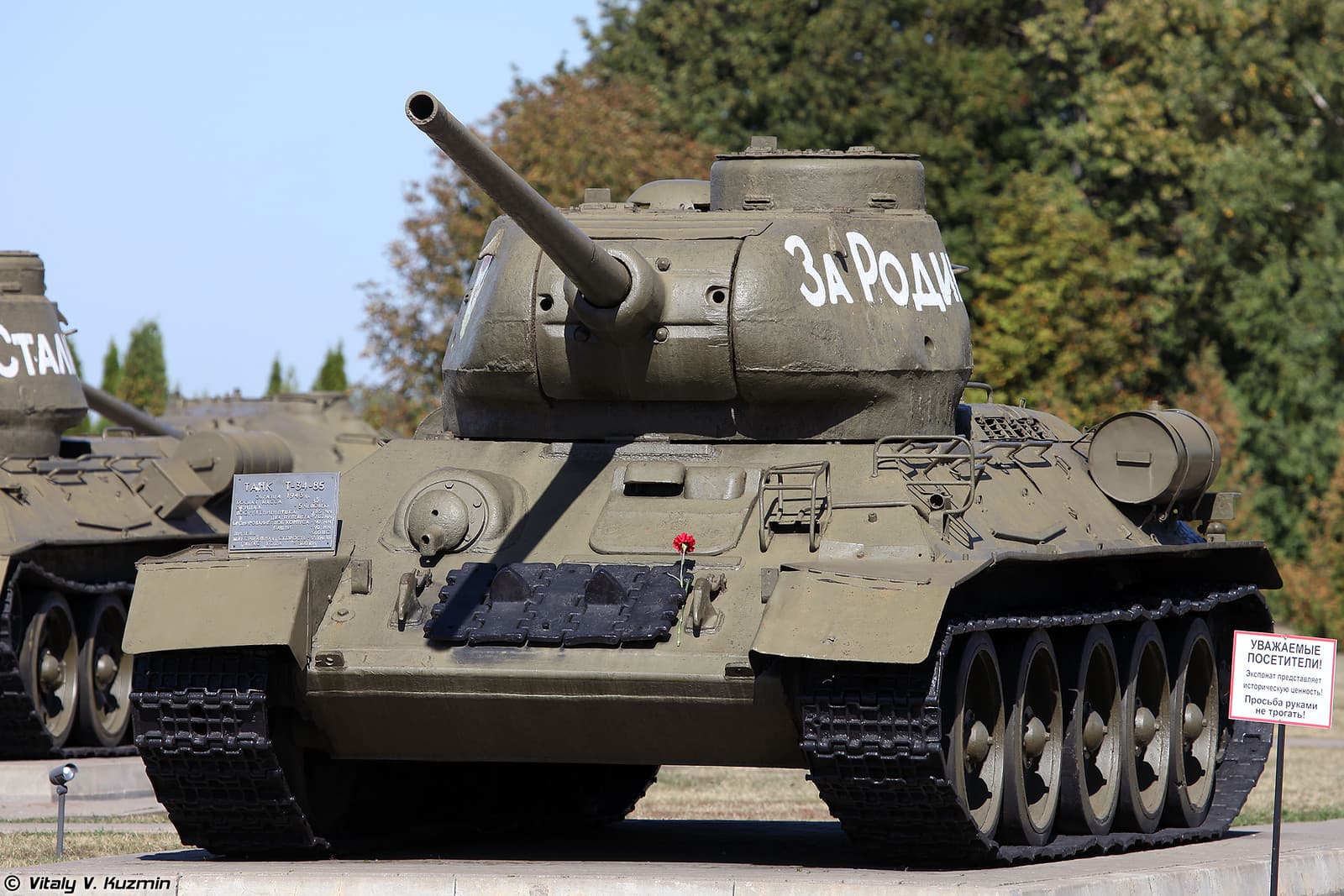
During the Great Patriotic War, there were many tank battles in which 37-mm caliber shells point-blank fired at Soviet T-34 tanks. However, the ammunition ricocheted one after another, without leaving even dents. These episodes became the best advertisement for the ingenious idea of Soviet designers - the armor of tanks should not just be thick, but competently angled.
A Real Revolution in Tank Building
The revolutionary concept was formed in Soviet tank building by the end of the 1930s. Instead of increasing the thickness of the armor, which inevitably led to a loss of mobility and an increase in mass, the engineers of KB-24 in Kharkov took a different path - they used rational angles of inclination of the armor plates.
This approach not only increased the likelihood of ricochets and increased the thickness of protection without weighing down the hull, but also became the banner of a change in the philosophy of tank protection. The focus was on geometry and calculation, and not the brute force of metal - this laid the foundation for the legend of the T-34.
Small, but Mighty
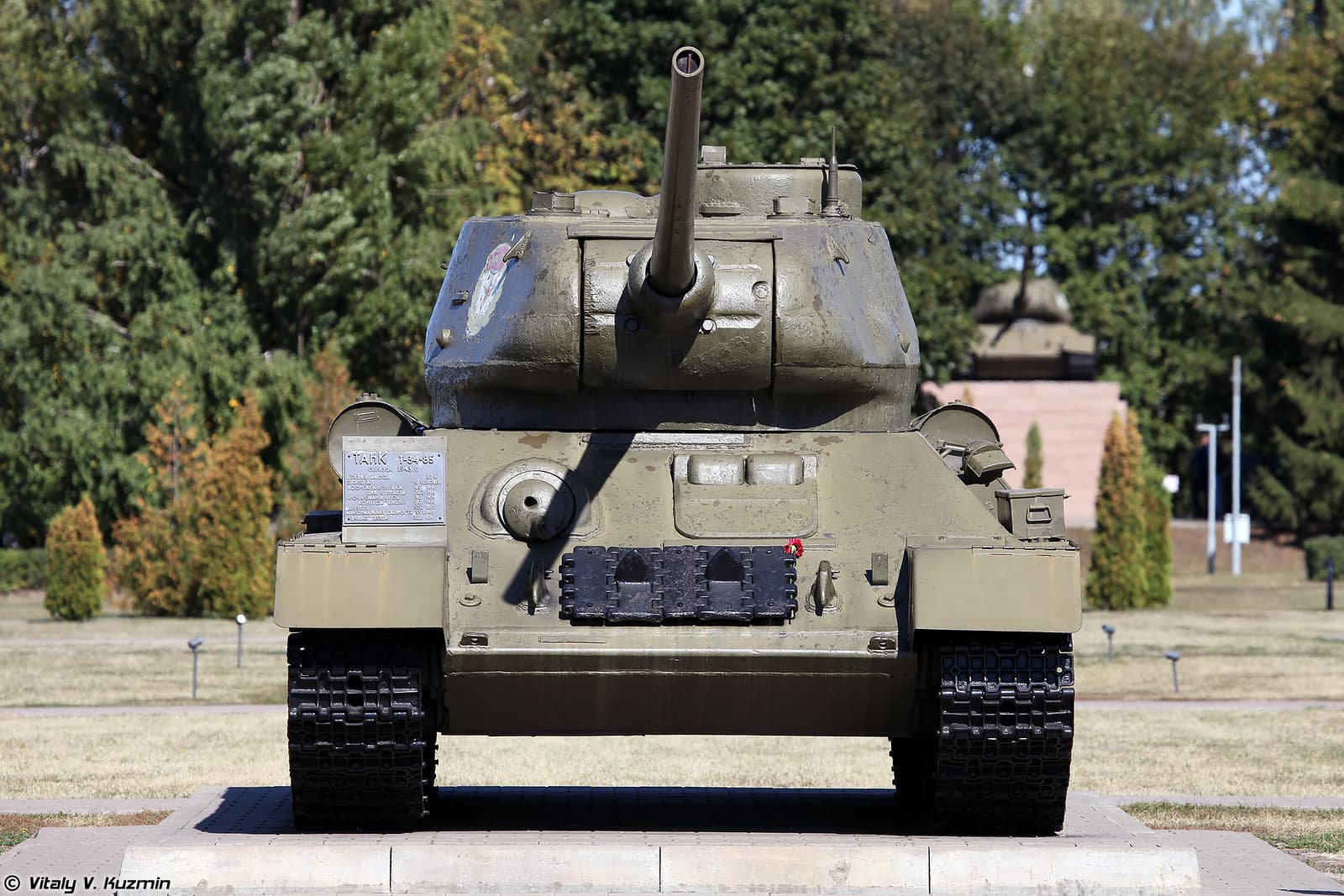
On the T-34, the idea was fully implemented - the upper frontal plate with a thickness of 45 mm at an inclination of 60° gave an equivalent of 90 mm of protection; the lower front (45 mm at 53°) already corresponded to 75 mm.
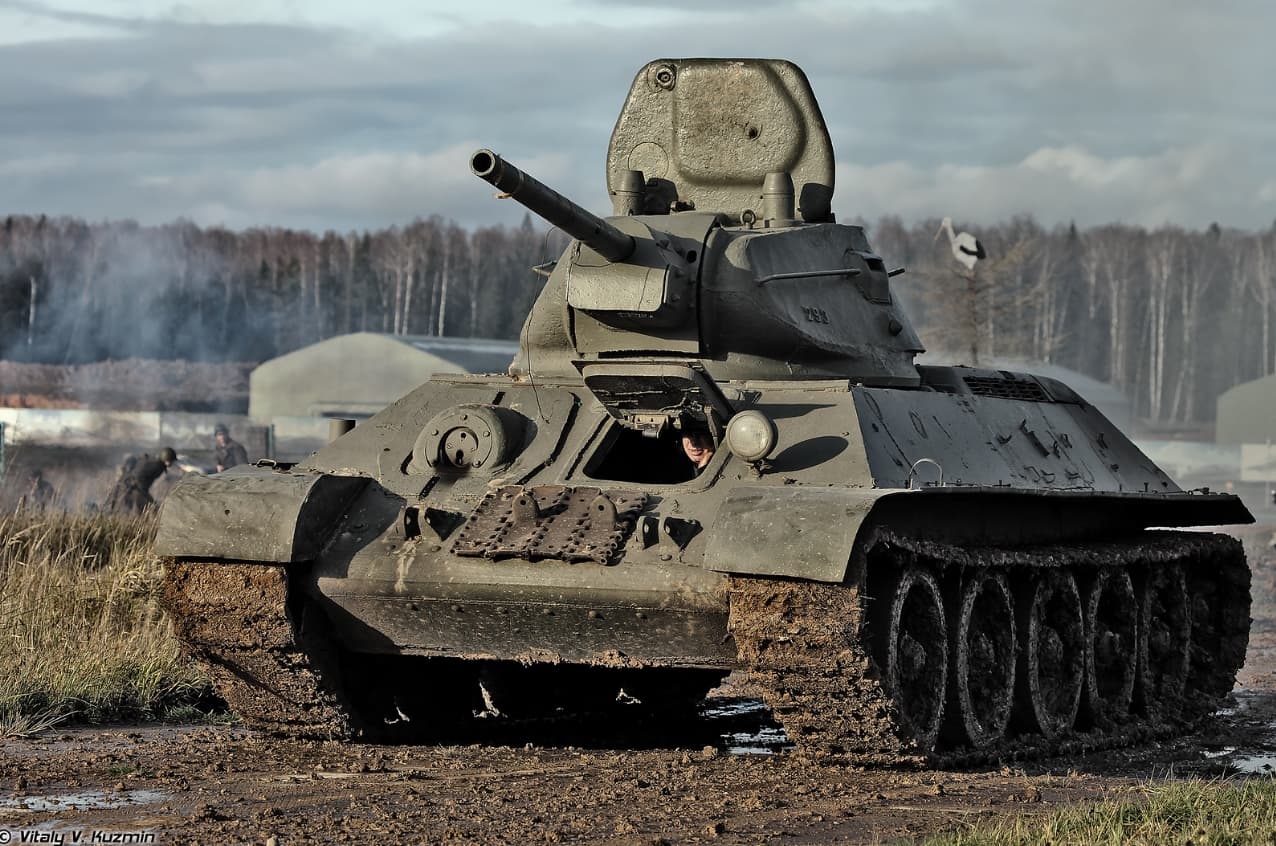
Even the sides of the hull (40 mm at an angle of 40°) provided a reduced thickness of 52 mm. For the end of the 1930s, this was a real breakthrough: a tank with an average mass received protection comparable to heavy vehicles.
Read more on the topic:
Now on home

Start of deliveries scheduled for 2027

Over 51,000 new motorcycles were sold in Russia in 2025

The car will take at least a year to assemble

The application's audience has reached 20 million users

The model will be included in the list of cars for taxis, price - from 2.25 million rubles

All parking lots of the "Administrator of the Moscow Parking Space" are connected to the service

The cars will be supplied to the Moscow Transport Service Directorate

Deliveries to India may begin in 2028

The technology provides automated search for all types of defects in power units

The plane flew 500 km, accelerating to 425 km/h

The plant stated that the information about the termination of purchases for models 6 and 8 is not true

Scientists are using the "Ekran-M" installation
Articles
-
Russian An-124 "Ruslan" Stuck in Canada for 4 Years and Accrues Millions in Fines
26 Jan 2026
-
Coaxial Propellers: How Counter-Rotation Increases Turboprop Engine Efficiency
25 Jan 2026
-
Kazan Aviation Plant Breaks Old System: Tu-214 to be Assembled Like Cars
25 Jan 2026
-
How Engineers and Technicians Are Paid Today in the Russian Aviation Industry: An Overview with Figures
24 Jan 2026