The Russian multi-functional front-line supersonic fighter-bomber Su-34 has a reinforced airframe. Its lower part includes titanium alloys, which are strong and resistant to heat and abrasion. That is why the aircraft survived the landing “on its belly”. This is how Western experts commented to Bulgarian Military on the video of the dangerous maneuver in which the fighter survived.
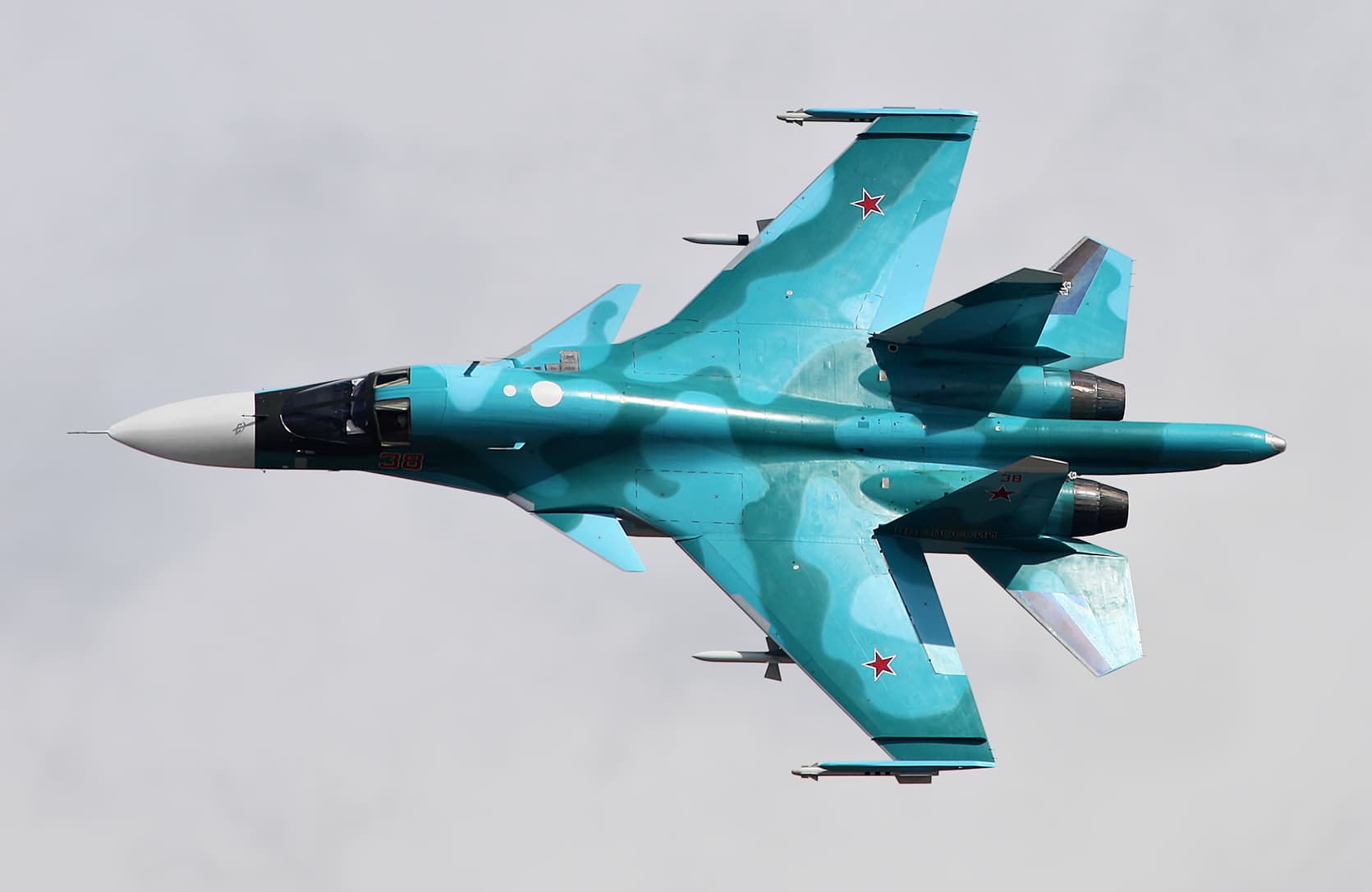
Professor Emily Carter, an expert in aviation materials at the Massachusetts Institute of Technology, emphasized that the use of titanium in production made the Su-34 “ideal for such scenarios.”
Titanium can withstand significant friction and impact, which likely minimized damage to the aircraft during braking “on its belly.”
The load was evenly distributed across the bottom, so the Su-34 withstood it and did not collapse.
The aircraft's design is designed to increase crew survivability. The sparks in the video indicate that there was some abrasion of the coating, but the absence of fire proves the strength of the airframe.
Retired US Air Force Colonel John Hayes noted the skill of the pilot who performed the emergency landing.
The pilot must accurately determine the approach speed: too fast and you will overshoot, but too slow and you will crash hard.
He pointed out that the pilot deployed the parachute in time to reduce the speed of the Su-34 without using brakes or reverse thrust, which are less effective when landing “on its belly”. Pilots are trained for such emergencies, but they rarely manage to perform an emergency landing flawlessly, Hayes concluded.
Read more on the topic:
Su-34 fighter makes first "belly landing" in history: unique footage
19fortyfive: Russian Su-35S fighter is a completely "new beast"
Tango Six: Serbia buys Soviet BTR-80A and MiG-29 from Hungary