Exactly 30 years ago, on February 17, 1995, the A-135 missile defense system (ABM) of the Moscow industrial region was adopted. The complex became the result of many years of work by Soviet and Russian scientists, engineers and designers in the field of protection against ballistic missiles of a potential enemy.
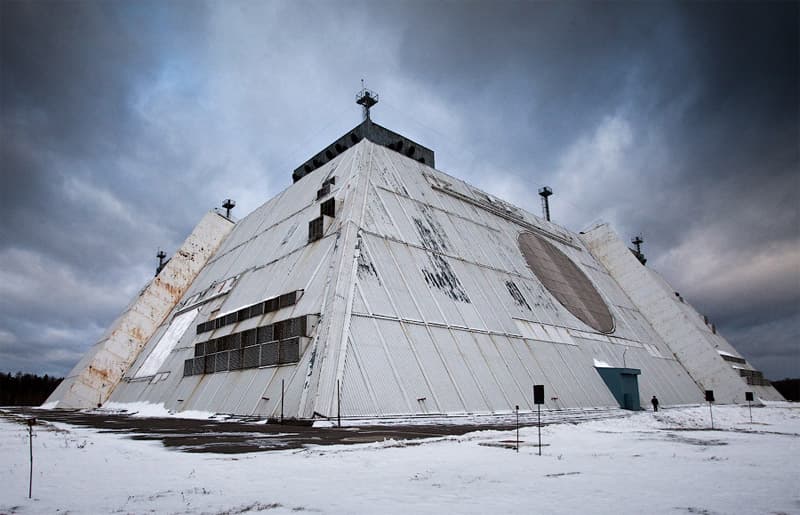
Work on the A-135 began in 1971. NPO Vympel was appointed as the lead developer, and dozens of design bureaus, research institutes and factories participated in the cooperation. Scientists were tasked with ensuring reliable protection of Moscow from strikes by intercontinental ballistic missiles equipped with multiple independently targetable warheads and ABM penetration aids.
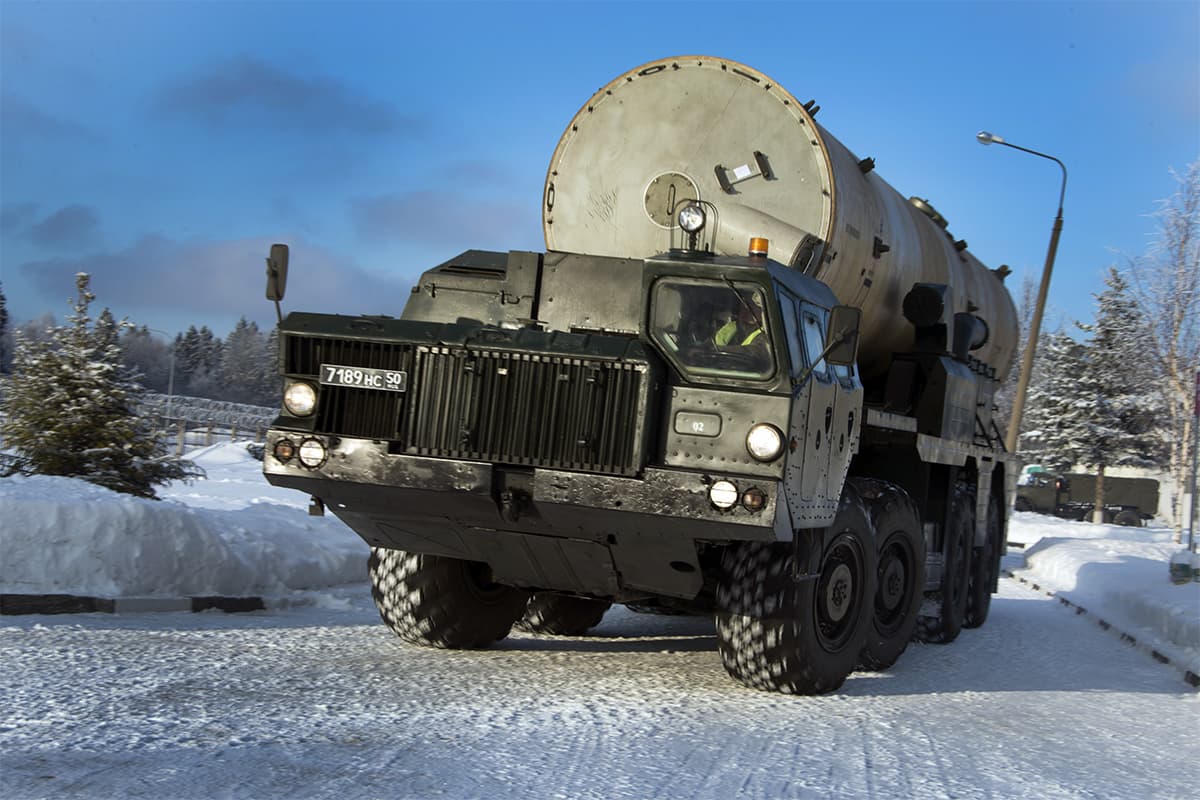
The creation of the A-135 required solving a whole range of complex scientific and technical problems. It was necessary to ensure the detection and tracking of small targets against the background of powerful interference, highly accurate guidance of anti-missiles, and their detonation in close proximity to the target. It was necessary to develop super-powerful computing complexes for processing information in real time.
The A-135 is based on the latest achievements in the field of computer technology, radar, nuclear technology and rocket engineering. The key element of the system was the unique Don-2N radar station, which has no analogues in the world.
Will find any trifle
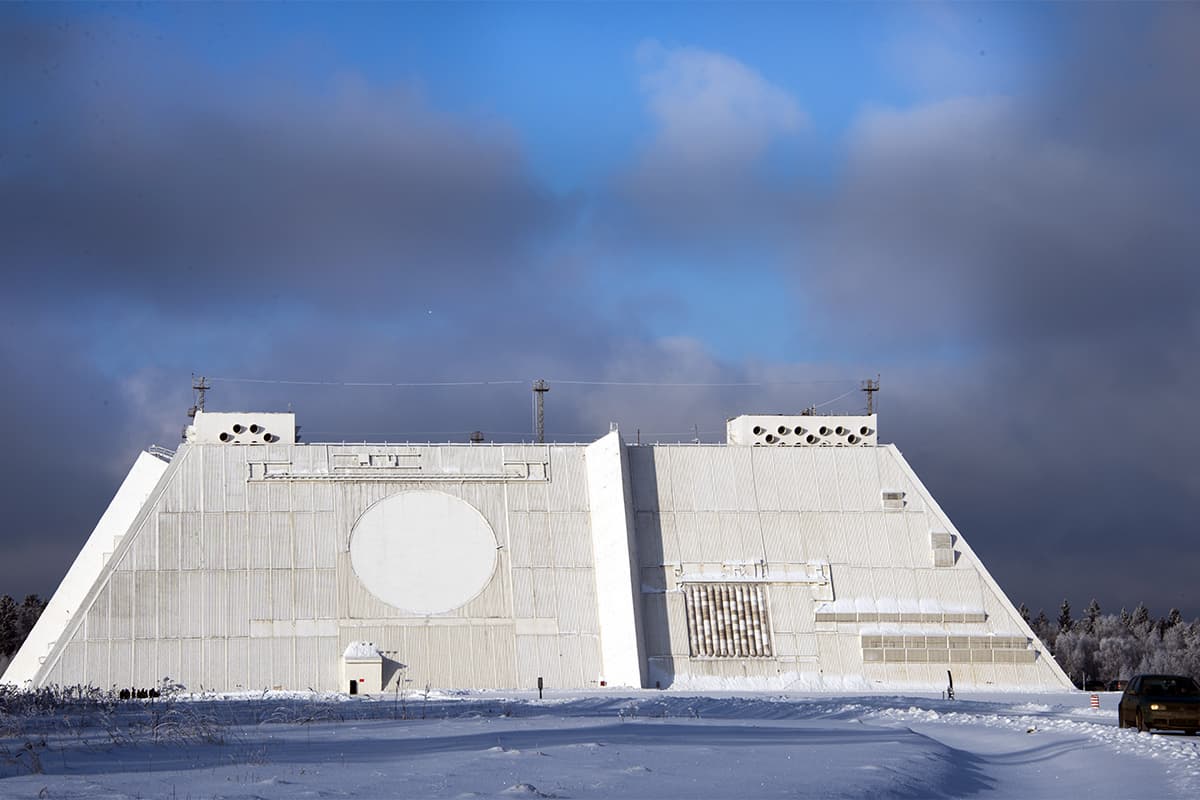
The Don-2N is a tetrahedral truncated pyramid 33 m high and 130 m long on the sides at the base and 90 m along the roof. The radar is equipped with fixed large-aperture active phased antenna arrays (on each of the four faces) with a diameter of 18 m, operating for transmission and reception.
A giant structure the height of a 12-story building can detect ballistic targets at a range of up to 3,700 km, simultaneously tracking up to 100 objects. It searches, recognizes ballistic targets and guides anti-missiles to them.
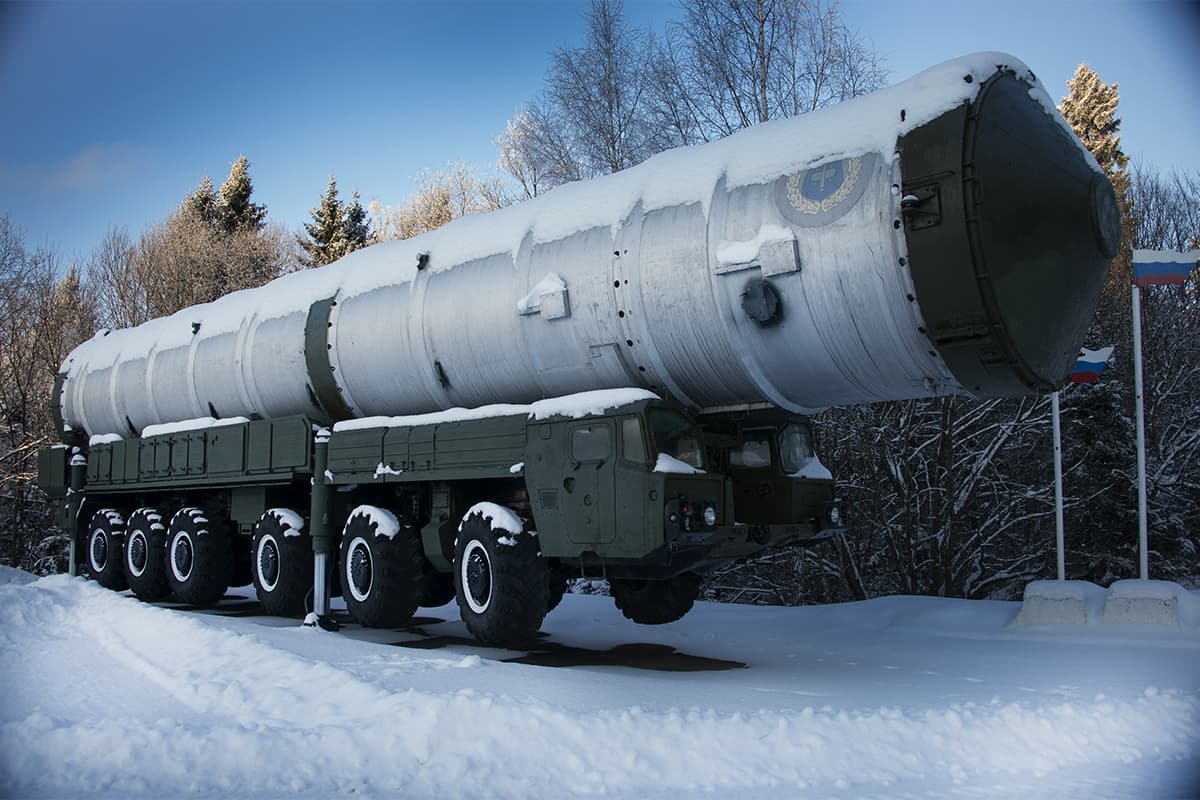
To destroy warheads of intercontinental ballistic missiles, the A-135 uses 53T6 silo-based anti-missiles with a nuclear warhead. They can intercept targets at altitudes of up to several tens of kilometers at a range of up to 100 km.
State tests of the A-135 system started in 1989. Numerous test launches of anti-missiles confirmed that the complex meets the stated characteristics. On February 17, 1995, the A-135 system was adopted and put on combat duty.
Modernization continues
The A-135 remains an active missile defense system today, protecting Moscow from ballistic missile strikes. Over the years, it has been repeatedly modernized, receiving new computing systems, radar equipment and software.
The experience of creating and operating the A-135 formed the basis of the new A-235 Nudol missile defense system, which is currently being developed. It should protect not only Moscow, but also other strategically important regions of Russia.
The anniversary of the A-135 system is not only a milestone in the history of domestic missile defense, but also a tribute to the work of many thousands of people who created this grandiose complex. Their dedication, knowledge and experience made it possible to ensure the security of Russia in difficult years of geopolitical upheaval. The A-135 has become a symbol of the technological superiority of our country and a guarantee of its defense capability for decades to come.
Earlier www1.ru reported that the Russian T220 targeting pod was unexpectedly spotted on the Algerian Air Force MiG-29M.
Read also materials:
Defender of the sky: the effectiveness of the Pantsir-C1M in real combat conditions has become known
MiG-29 and MiG-35 fighters will receive the MSP-418K active jamming station: what it is capable of
Now on home

Start of deliveries scheduled for 2027

Over 51,000 new motorcycles were sold in Russia in 2025

The car will take at least a year to assemble

The application's audience has reached 20 million users

The model will be included in the list of cars for taxis, price - from 2.25 million rubles

All parking lots of the "Administrator of the Moscow Parking Space" are connected to the service

The cars will be supplied to the Moscow Transport Service Directorate

Deliveries to India may begin in 2028

The technology provides automated search for all types of defects in power units

The plane flew 500 km, accelerating to 425 km/h

The plant stated that the information about the termination of purchases for models 6 and 8 is not true

Scientists are using the "Ekran-M" installation