During the Cold War, Soviet submarines were a real threat to the US and NATO submarine fleet. One of the unique projects was the Alfa-class (NATO codification) nuclear submarine series with a liquid metal cooled reactor. This is according to military expert Brendan J. Weichert in The National Interest.
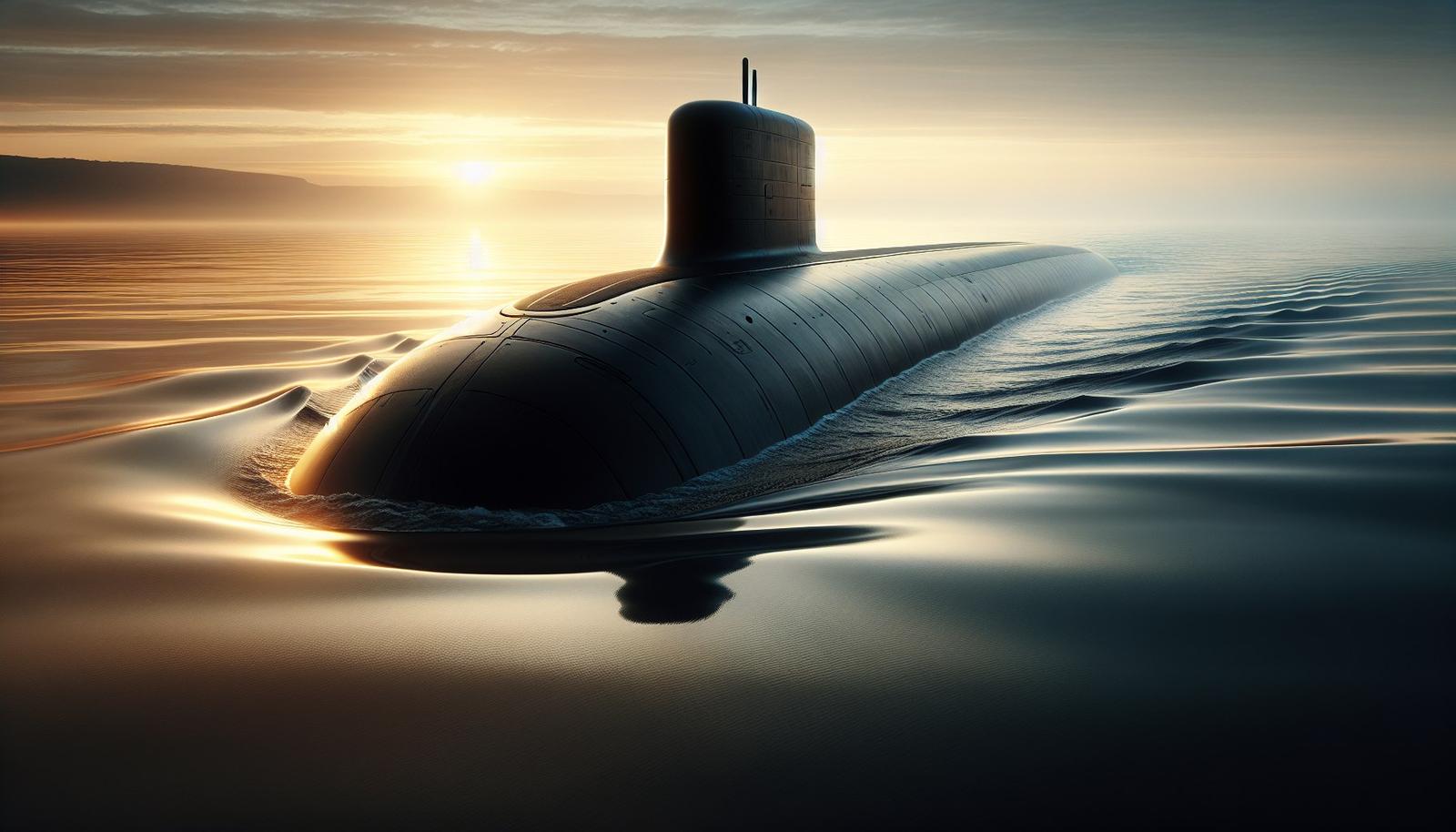
Project 705 Lira (Alfa class) was developed in the 50s. Submarines of this project were planned to be used to counter NATO's naval capabilities in key regions of the Atlantic and Arctic.
One of the features was the titanium hull. Soviet engineers believed that a titanium submarine would be able to bypass Western submarines in terms of diving depth and speed.
There are many advantages: lower weight, more durable and corrosion-resistant material.
Expensive and unsafe
However, the creation of a titanium hull required the use of special welding methods. As a result, the Project 705 Lira submarines became the most expensive to build and maintain. Another problem was their noise.
Alfa-class submarines turned out to be fast and maneuverable, but very noisy. Enemy sonars could detect it at a great distance.
The United States followed the development of nuclear Soviet submarines with a liquid metal cooled reactor. However, in 1982, an accident occurred on board the K-123 (Project 705 Lira) at the main power plant with the release of coolant into the reactor compartment.
The damaged reactor could not be restored. The K-123 submarine was towed to the Sevmash plant, where it was under repair until 1992.
The US Navy wondered whether it was worth building submarines with a titanium hull. However, the emergency with the K-123 proved that it was not worth relying on these technologies. This was a lesson learned in the USSR the hard way.
K-123 characteristics:
- Displacement - 2300 t
- Length - 79.6 m
- Width - 10 m
- Surface speed - 14 knots
- Submerged speed - 39 knots
- Maximum immersion depth - 450 m
- Autonomy - 50 days
- Crew - 32 people
Read more on the topic:
"Caspian Monster": The National Interest proposed to unpreserve the Soviet ekranoplan project "Lun"
"Answer to the Imperialists": K-19 - the first Soviet nuclear missile carrier
Le Figaro: Russian military intercepted a French Navy Atlantique 2 aircraft over the Baltic Sea
Techbreak portal named the most powerful air-to-air missiles
Trump is ours: testing of a promising transport UAV has begun in Russia
Russia will launch production of the Marker robot with a combat module based on the Kornet ATGM
Military Review: Will the Su-75 stealth fighter be mass-produced or is it a dead end?
Never miss our newsAdd this site to your preferred sources to see us more oftenAdd on Google