Translated with AI from the Russian original.
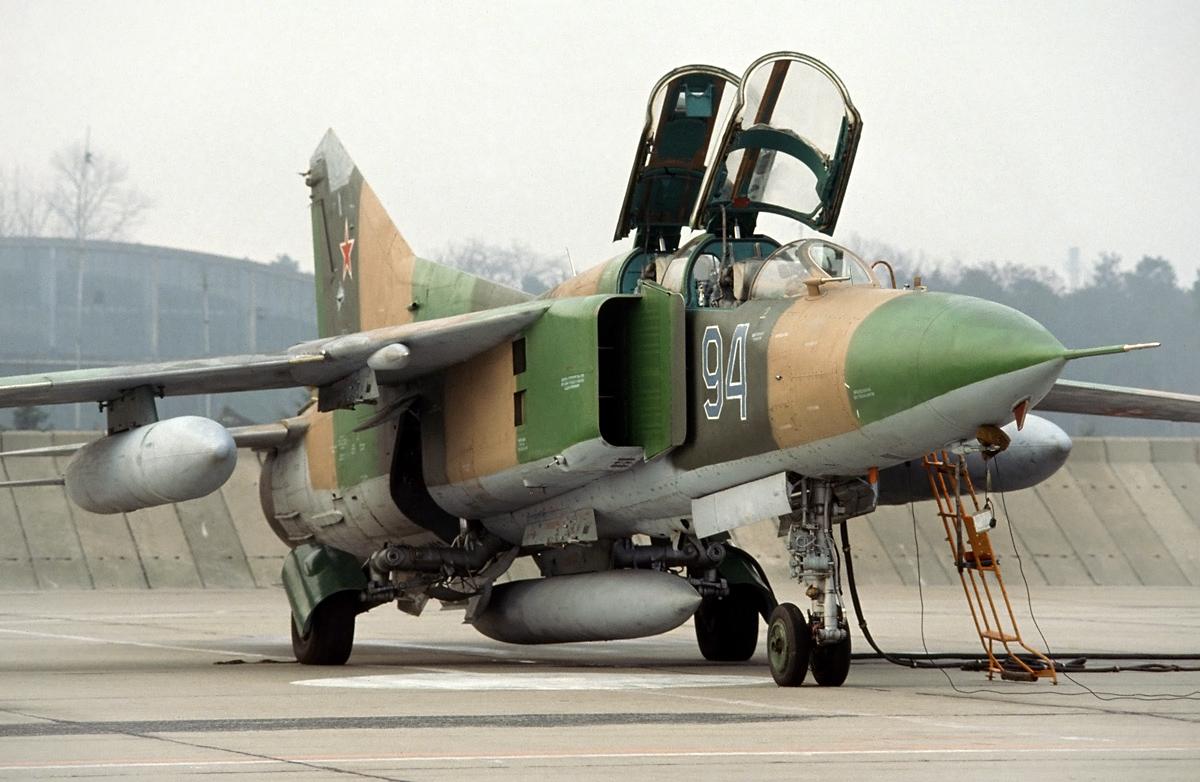
Soviet engineers received a light multi-role F-5 fighter manufactured by Northrop Corporation during the Vietnam War. They used the American aircraft's technologies to develop the third-generation multi-role fighter with variable-sweep wing MiG-23.
How the F-5 ended up in the hands of Soviet engineers
The F-5 was captured by North Vietnamese forces at the Bien Hoa airbase. The American fighter was considered one of the most advanced at the time.
The North Korean army handed over the F-5 to the USSR for comparison with the second-generation MiG-21 light supersonic front-line fighter. During testing, it turned out that the Soviet aircraft was inferior to the American one.
Soviet engineers assessed the flight performance characteristics and combat capabilities of the F-5. They used all the collected data in the development of the MiG-23.
About the MiG-23
The fighter was created by engineers from OKB-155. The aircraft's fuselage is made in the form of a semi-monocoque. An important difference between the MiG-23 and the MiG-21 was the wing, which could change the geometry of the angle from 16 to 72 degrees. The fighter was mass-produced until 1985. The MiG-27 light front-line bomber was developed on its base.
MiG-23 characteristics:
- Wingspan - 14m
- Aircraft length - 17 m
- Maximum flight speed at altitude - 2445 km/h
- Maximum speed near the ground - 1350 km/h
- Altitude ceiling - 19 000 m
Read more on the topic:
Le Figaro: Russian military intercepted Atlantique 2 aircraft of the French Navy over the Baltic
Named the best Russian military ground transporters
New "Grachonok" joined the Northern Fleet
Never miss our newsAdd this site to your preferred sources to see us more oftenAdd on Google

















