The South Korean publication The Chosun Daily reported on the decommissioning and subsequent sale of some of its steam turbine LNG carriers associated with the state-owned LNG importer Korea Gas Corporation. In particular, SK Shipping recently sold four LNG carriers of this type, aged 24-25 years, for $13.8 million - at scrap prices. Among the reasons for getting rid of such vessels are the inability of shipowners to enter into new charter agreements, the obsolescence of such vessels, and a mild winter, which reduced global demand for energy.
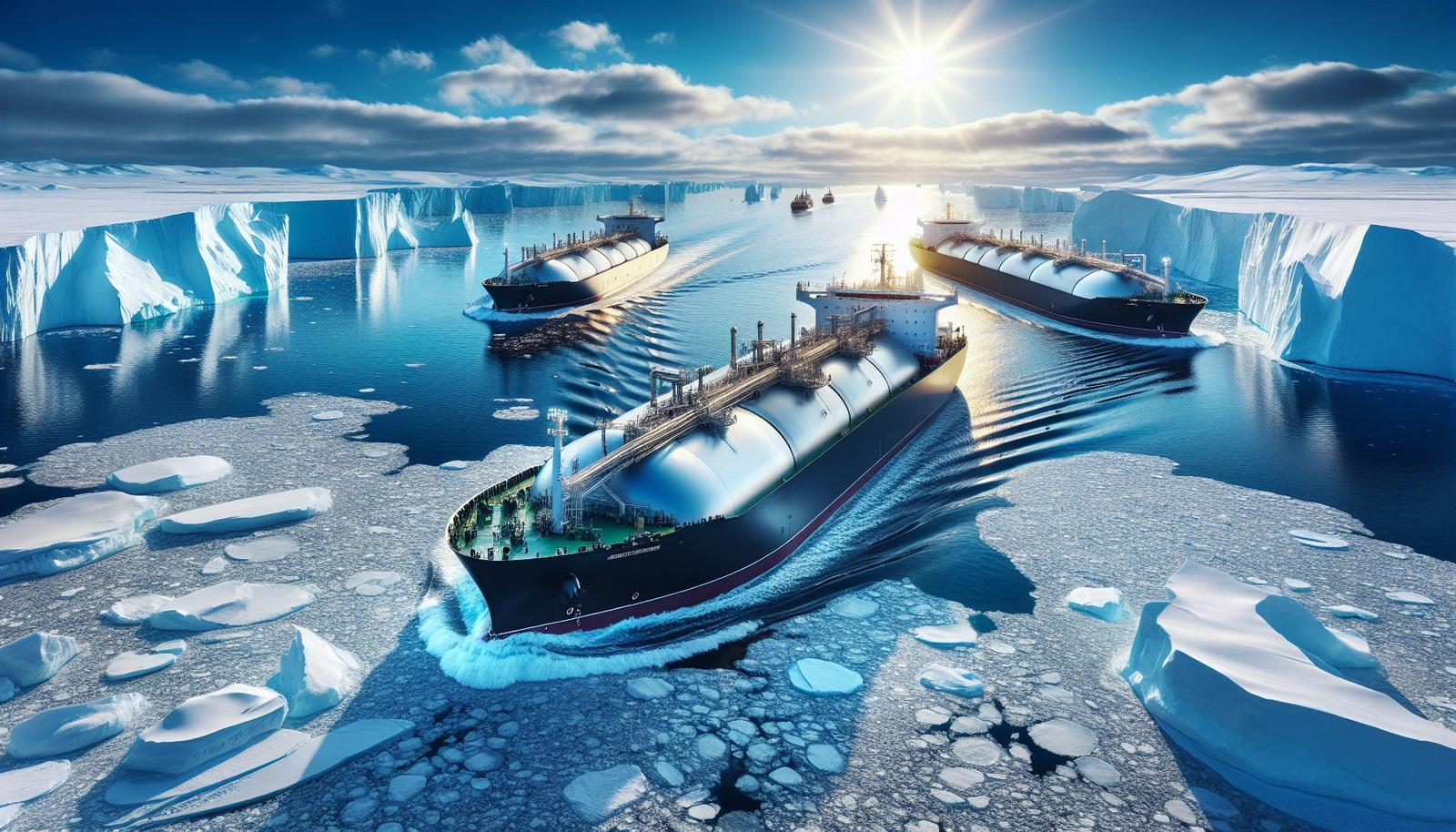
According to the Clarksons Research analytical bureau, about 30% of the world's LNG transportation fleet currently consists of steam turbine LNG carriers, which is about 230 vessels. By the end of the year, more than 30 of them may be put up for sale, not only in South Korea, but also in other countries.
However, these vessels may quickly find their buyers. In July, the British newspaper Financial Times published an article about a surge of interest in the LNG carrier market in 2023, including old and unecological steam turbine vessels. The publication noted that they have been actively purchased by previously unknown companies registered in the UAE. Since April 2023, these mysterious companies from the UAE have acquired more than 50 LNG carriers. Previously, only a few such transactions were recorded, and their sudden growth triggered a rise in vessel prices.
The market for old steam turbine LNG carriers has shrunk due to tightening environmental regulations, as well as significant technological improvements. However, we are now seeing a resurgence of this type of vessel. One explanation: they are moving into the shadow fleet.
According to the analytical company Kpler, which was cited by the publication, some of the recently acquired LNG carriers have an Arc7 ice class and operate on the Northern Sea Route. Therefore, journalists linked the potential emerging shadow fleet with roots in the UAE to the interests of Russia, and its desire to circumvent the June package of sanctions related to the Russian oil and gas industry and LNG projects. The same possible connection was written about in a number of other Western publications.
There has been no official confirmation or denial of this information from the Russian side. However, not only Moscow is interested in the independence of oil and gas transportation from the United States and the control of Western countries.
LNG Carriers in Russia
Even before the tightening of Western sanctions in the summer of 2024, Russia was concerned about creating its own fleet of oil tankers and LNG carriers. Russia can produce both oil tankers and gas carriers. In particular, since 2020, Russia has been independently producing Aframax-type tankers on gas engine fuel with a deadweight of 80 to 120 thousand tons.
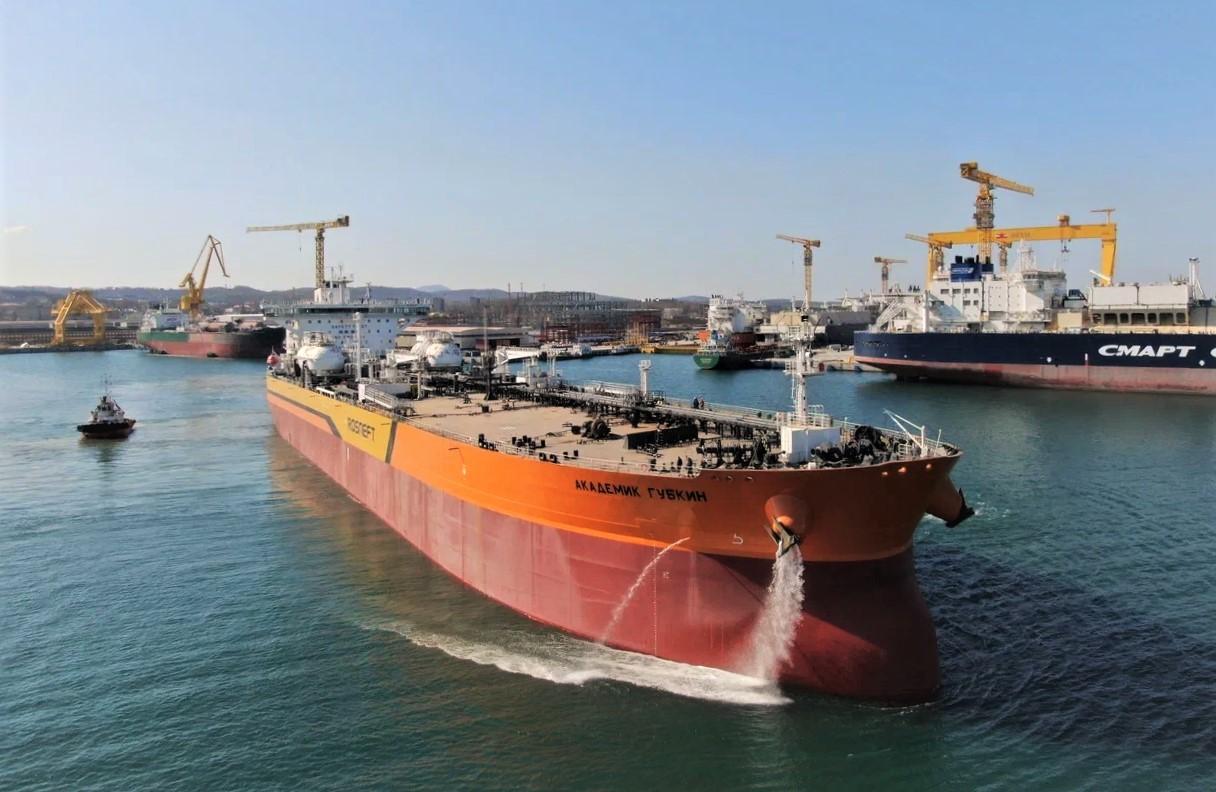
The country can also design various innovative solutions for such vessels related toincreasing the efficiency of LNG transportation. In particular, the St. Petersburg State Marine Technical University is currently actively developing a promising model range of marine gas turbine engines for LNG carriers and other large-capacity vessels. They also invented a domesticsoftware package for calculating and analyzing the efficiency of combined cycle plants, which is necessary to replace combined power plants based on diesel engines. Russia does not produce diesel engines, which are mainly installed on gas carriers, itself, so domestic shipbuilders need new solutions to replace them.
But now the most promising region for LNG production is the Arctic, where Arc7 Arctic-class LNG carriers are required - vessels that are as high-tech and complex to manufacture as possible. Russia has never built or launched them on its own.
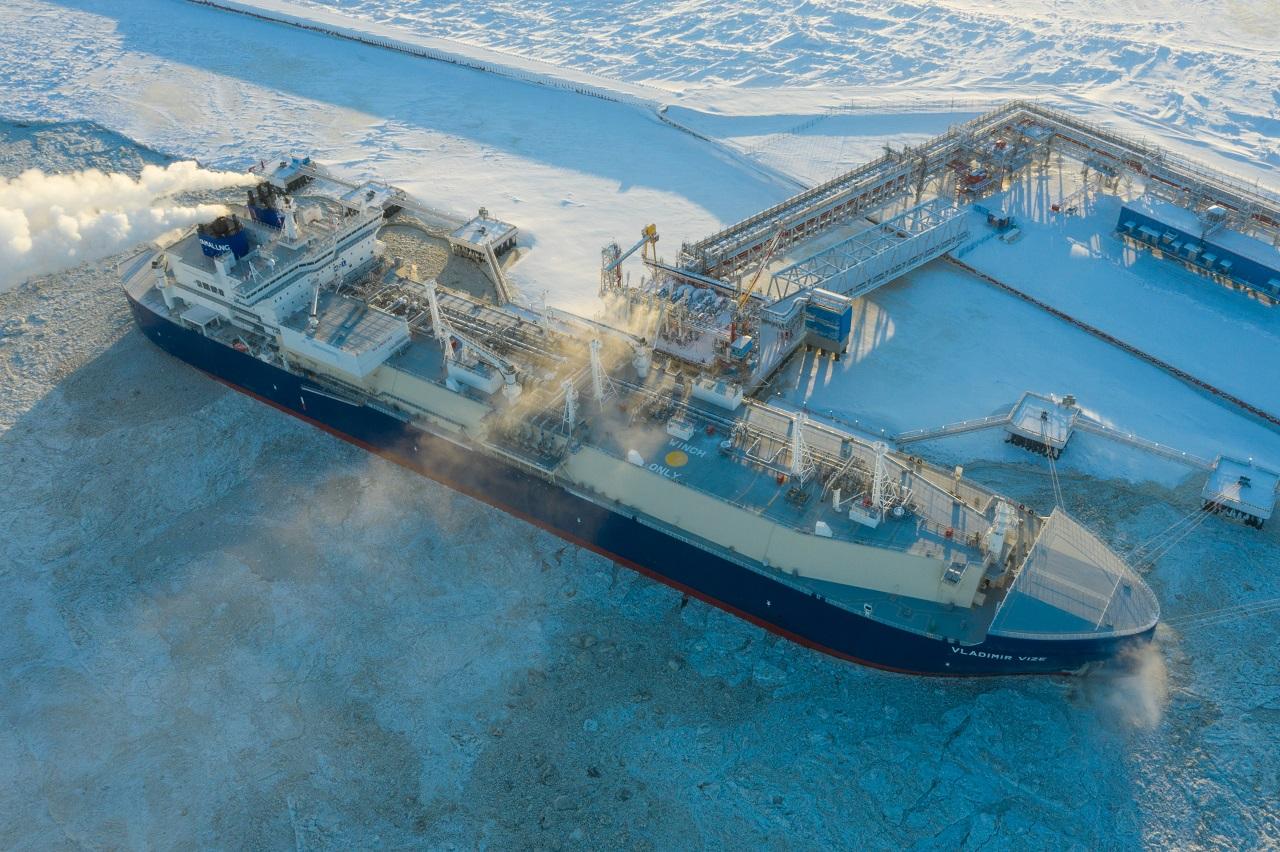
For the Yamal LNG project, fifteen Arc7-class gas carriers were built at the Daewoo Shipbuilding & Marine Engineering (DSME) shipyards in South Korea by order of NOVATEK. For the next Arctic LNG-2 project, Russia needed to build twenty-one more such vessels.
But both the LNG project itself and NOVATEK, which is engaged in it, fell under the sanctions of the European Union and the United States. Therefore, the six Arctic gas carriers that began to be built for Arctic LNG-2 by South Korean Hanwha Ocean (formerly DSME) are unlikely to be transferred to Russia in the near future.
The remaining fifteen gas carriers for Arctic LNG-2 are being built by the Zvezda shipyard. The lead tanker of the Arc7 ice class, Alexey Kosygin, was to be received by the customer by the end of 2024, and the first tanker, Sergey Vitte, in early 2025. But in November, Kommersant, citing its sources, reported on the postponement of the deadlines: the gas carrier Alexey Kosygin will be delivered in early 2025, and Sergey Vitte by the end of March 2025.
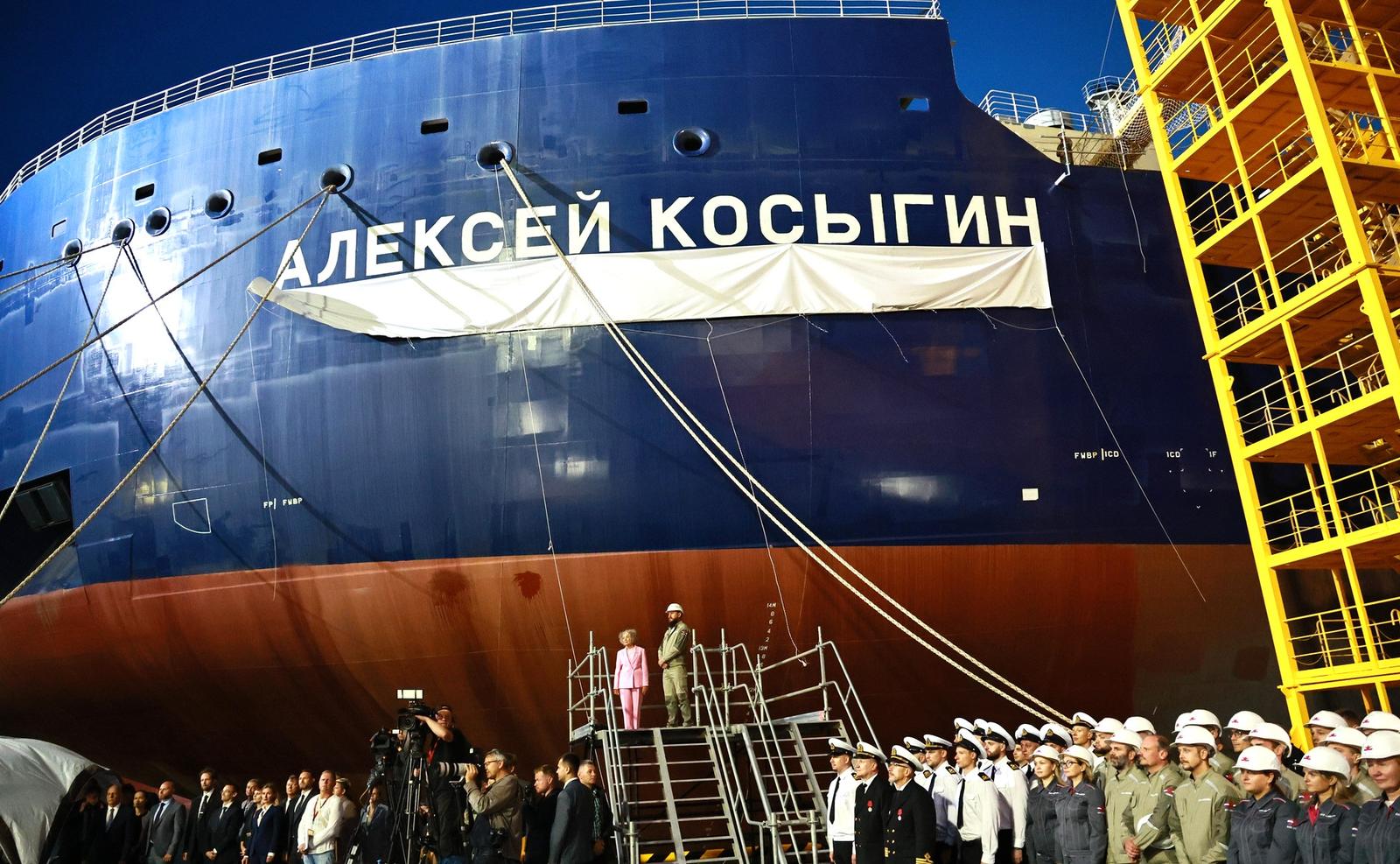
Officially, neither Zvezda nor NOVATEK have denied the information about the postponement of the delivery dates of the tankers. Experts note that the lack of their own free Arctic gas carriers for Arctic LNG-2 will most likely force the project to completely stop shipments for the winter period. Thus, the appearance of shadow Arctic gas carriers could correct the situation.
However, an alternative version of the Arctic Russian gas carrier is also being developed. In October 2024, the Pilgrim nuclear submarine gas carrier project was presented in St. Petersburg at the St. Petersburg International Gas Forum. In just 12 days, it will be able to pass the Northern Sea Route on Ritm-200 reactors. It is already known that the Kurchatov Institute Research Center has concluded an agreement with Gazprom to develop this vessel.
Read materials on the topic:
Losses will be reduced from 7% to 38% - new tanks for transporting liquefied natural gas have been developed at the Russian MAI
Russian scientists have figured out how to overcome depression in oil wells
Bloomberg: Russia is stopping its plant for the production of equipment for LNG plants
New Russian oil production technology allows you to drill wells up to 4 km faster
Never miss our newsAdd this site to your preferred sources to see us more oftenAdd on Google

















