
"In 15 minutes, without getting off the couch": Thanks to modern technology, fraudsters have learned to fake everything
Attackers are actively creating exact copies of profiles or hacking real accounts to impersonate victims' acquaintances
Attackers are actively creating exact copies of profiles or hacking real accounts to impersonate victims' acquaintances

Among the main targets: the financial sector, telecom and e-commerce
Fraudsters pose as telecom operators, law enforcement officers, and even victims' colleagues

The risks of using self-service checkouts in stores are often exaggerated, but there are points to pay attention to
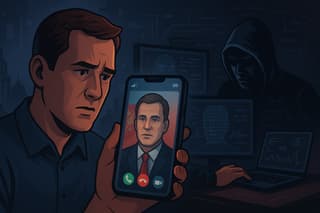
Attackers convince citizens to transfer money, hiding behind an "official" status

New terminals will simplify access to public services abroad and streamline passport control for foreigners
Fraudsters register a domain name that contains the word osago or resembles the domain name of a well-known insurance company
President of the Russian Federation noted the contribution of programmers to the protection of Russia's digital space

The service analyzes data about an incoming call and displays this information on the smartphone screen
Fraudsters scare and rush the victim, creating the illusion of officialdom

Scammers actively use the obtained card data for their own purposes

Attackers use psychological manipulation to extort money from children
Fraudsters initiate dialogue under the guise of issuing a registration certificate or clarifying data, and then demand that they provide them with the "electronic queue" code

The fraudster establishes a trusting relationship with the victim, and then begins psychological manipulation

Fake pages often use addresses similar to real ones, but with minor changes