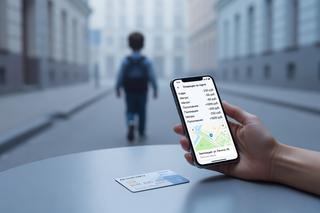
Russian Ministry of Internal Affairs advises against installing banking apps on children's smartphones
A card linked to an adult's account is sufficient for a child
A card linked to an adult's account is sufficient for a child
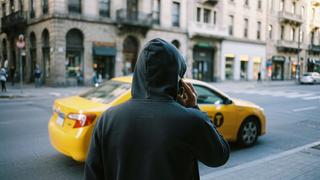
Criminals extort bank card details under the guise of paying for a trip

The Ministry of Internal Affairs described multi-stage schemes that induce victims to transfer funds

Since 2022, the messenger has removed 8.3 thousand bots, but new data sales services are appearing in their place

Confidential information can be used to apply for a loan
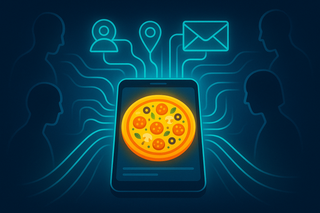
Refusal from social networks will not protect against data "leak"

Attackers are actively creating exact copies of profiles or hacking real accounts to impersonate victims' acquaintances
Fraudsters pose as telecom operators, law enforcement officers, and even victims' colleagues

Scammers actively use the obtained card data for their own purposes

Fraudsters initiate dialogue under the guise of issuing a registration certificate or clarifying data, and then demand that they provide them with the "electronic queue" code

The fraudster establishes a trusting relationship with the victim, and then begins psychological manipulation

Fraudsters created a fake Red Cross account

The entire dialogue with the victim revolves around the allegedly necessary visit of a specialist to the house

Among the main schemes of fraudsters: selling or buying game accounts and "answers" to the Unified State Exam

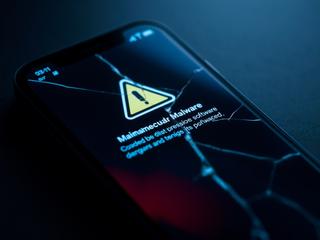
Attackers disguise malware as legitimate services