The Russian Ministry of Internal Affairs warns of a new wave of fraud using deepfakes. Attackers create fake accounts on WhatsApp and Telegram and impersonate heads of regions, mayors, and representatives of local authorities. Messages, and sometimes video calls using deepfake technology, are sent to citizens from their "official" pages.
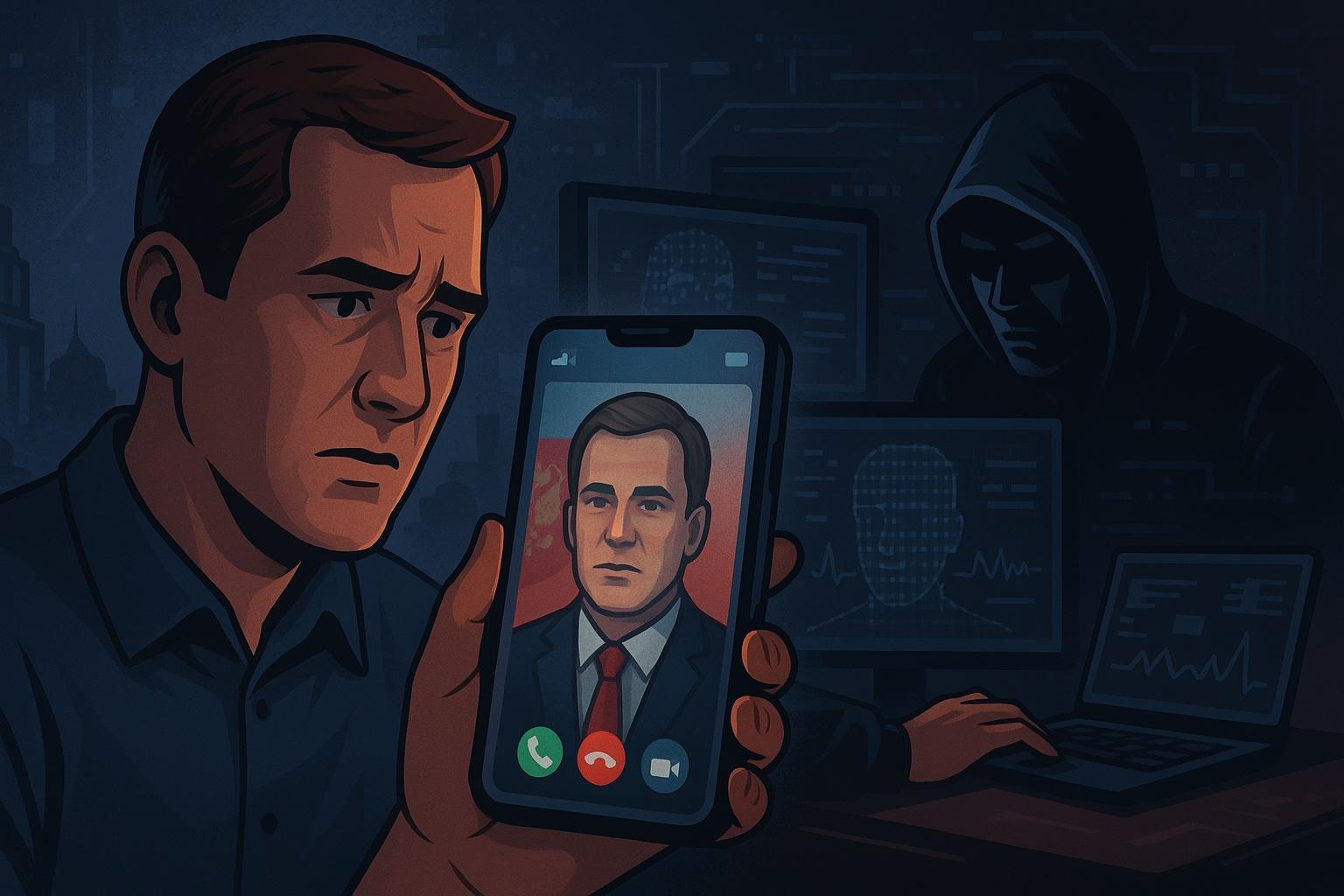
To convince the victim of the contact's authenticity, fraudsters simulate a video call with a supposedly official and refer to a "bad connection" to hide the imperfection of the falsification. The scammers then report that there will be an "important conversation" with law enforcement agencies, and under the pretext of verification, they begin to psychologically pressure the victim, extorting money.
The Ministry of Internal Affairs notes: this is an old scheme with a new digital face - deepfakes make the deception more convincing.
Deepfake technologies allow fraudsters to accurately fake the appearance and voice of famous people, which makes their threat particularly dangerous. Protection against such schemes includes critical thinking, verifying information, and refusing any transfers at the request of "officials" in messengers.
Read materials on the topic:
Robotized voice and strange requests: how to recognize a deepfake and save your money
Machine learning and AI help Kaspersky Lab identify about half a million new cyber threats every day
Never miss our newsAdd this site to your preferred sources to see us more oftenAdd on Google

















