The risks of using self-service checkouts in stores are greatly exaggerated. However, there are several important aspects to pay attention to. This was stated by Meri Valishvili, Associate Professor of the Department of State and Municipal Finance at the Plekhanov Russian University of Economics.
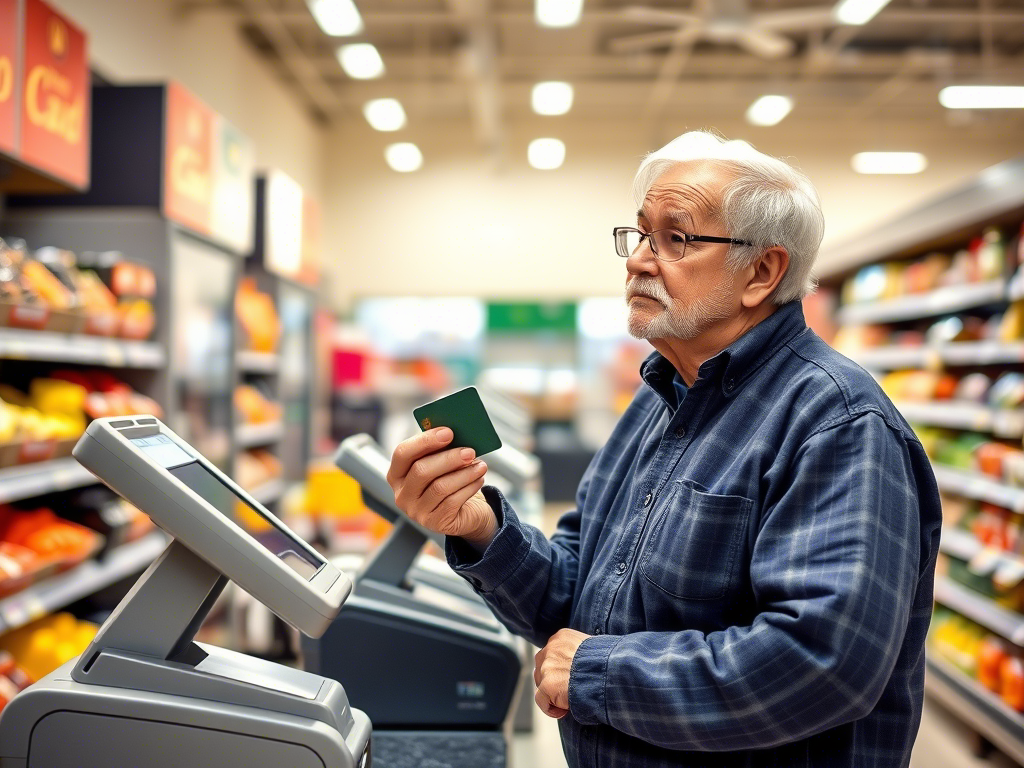
Self-service checkouts are increasingly common in stores. They reduce business costs and significantly save visitors time in queues. However, some customers prefer traditional checkouts, fearing for the safety of their money. These fears are often exaggerated.
The main concern is the risk of money being debited from the card. But the purchase is made in two clicks and takes only a few seconds. If you do not transfer the card to third parties, no one will know its number and CVV code, which means they will not be able to use it to debit funds.
Another problem that buyers see is that the product may be scanned twice or the store card discount may not be applied. For such situations, there is always an employee on duty in the self-service area who is ready to help with technical issues.
If you notice that the goods have been scanned twice or purchases of a previous customer who has not completed payment have been added to your receipt, contact the store administration. Ask them to investigate the situation and return the money.
Many also fear that funds will be debited from the card by looking at the number, CVV and PIN code. But it is impossible to make a digital copy of the card when paying in the store, just as it is impossible to compromise the card data. If any concerns remain, it is recommended to cover the payment terminal with your hand when entering the card PIN code or pay via SBP by scanning the QR code on the screen.
Such checkouts do not pose a great risk to the safety of funds. But, as when working with live cashiers, it is important to be careful when making a purchase and pay attention to suspicious persons nearby.
Earlier, Russians were warned that fraudsters had learned to bypass two-factor authentication when selling fake OSAGO policies. Fraudsters register a domain name that contains the word osago in the name or resembles the domain name of one of the well-known insurance companies.
Read more on the topic:
Six new ways of deception in Telegram were invented by scammers
"Window at customs": Russians are increasingly deceived when ordering cars from Europe
Biometric terminals for the "Rodina Card" were presented by Rostec at the Innoprom-2025 exhibition
Never miss our newsAdd this site to your preferred sources to see us more oftenAdd on Google


![Growth Point: After 5G Launch, Mobile Internet in Russia Accelerated by 20%","subtitle":"TelecomDaily recorded an upload speed increase of 19.7%, and download speed of almost 14%","announce":""}[]}],](https://media.ixbt.site/fit-in/320x/ixbt-data/1727896/ai-image-nvgq0a0v5cjnyxwoc8xpelva.webp)