The new Russian engine has a problem that cannot be solved by bench tests alone – a lack of long-term statistics from real-world operation. It is this data that allows manufacturers to find structural weaknesses and gradually increase service life, explained "Pervy Tekhnichesky" founder of the flight safety service RunAvia and former Airbus auditor Andrey Patrakov.
According to him, Western manufacturers have accumulated a colossal amount of data due to the scale of their engines' operation.
In terms of the scale of Western engine operation, hundreds of thousands of engines are flying and being operated. And the amount of data collected from different corners of our planet is much greater.
Russian engines are operated in much smaller numbers, so developers physically cannot obtain a comparable volume of statistics in a short period.
According to Patrakov, this creates a gap that is especially difficult to close with the accelerated launch of new engines.
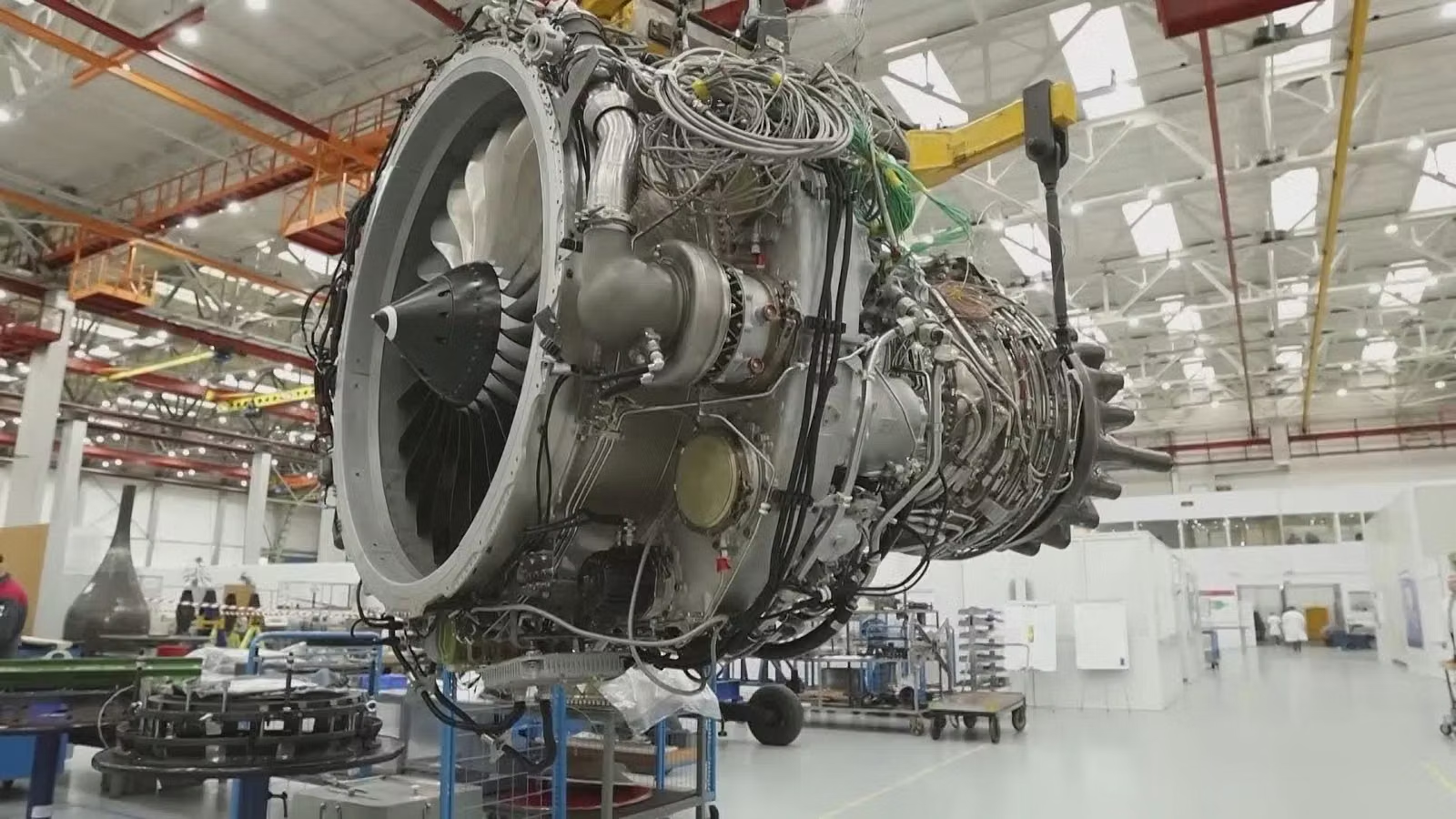
Now, the PD-8 must not only pass certification but also prove its service life in real-world operation – in different climatic conditions, flight modes, and with varying intensity of use.
By the end of April 2026, the total operating time of PD-8 prototypes exceeded 6100 hours – this is higher than comparable foreign engines at a similar stage of development. In May, the documentation for the power plant was submitted to Rosaviatsiya for examination to obtain a type certificate.
Read more on the topic:
Never miss our newsAdd this site to your preferred sources to see us more oftenAdd on Google