Large-scale testing of driverless buses without passengers in Russia could begin within two to three years, and passenger transportation without a driver within five to seven years. This forecast was given by transport consulting expert Alexey Smirnov in an interview with TASS.
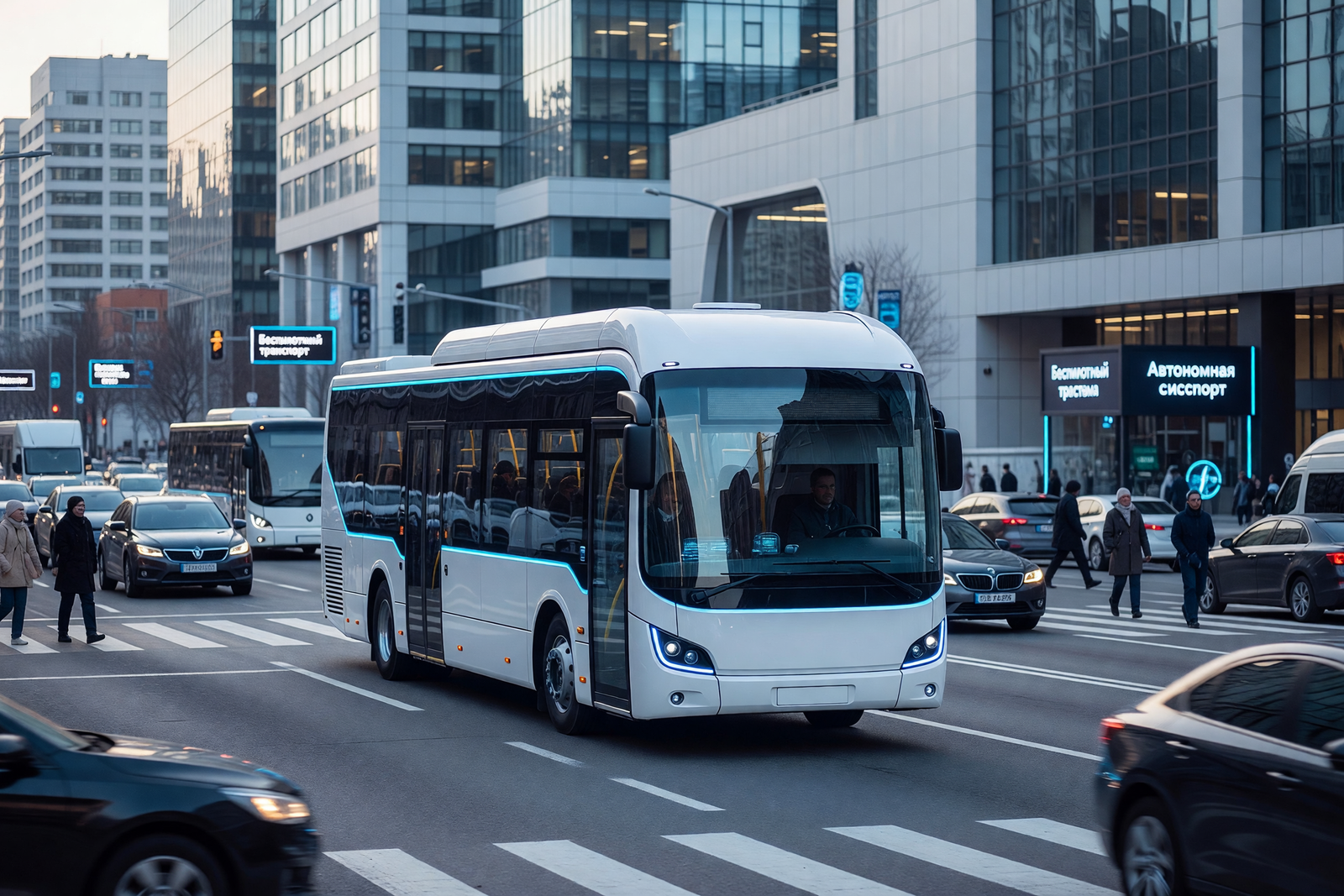
According to him, the transition to regular passenger transportation will be gradual: first on limited and well-controlled routes, then more broadly. It is necessary to consider the dimensions of the bus, the specifics of movement in dense urban traffic, and interaction with pedestrians and other road users. The expert noted that reducing VAT to 10% on driverless transportation is a good support measure that can stimulate market development.
The state expects that by 2035, the share of driverless trucks will reach approximately 19% of road freight turnover, and their fleet will comprise almost 57 thousand vehicles. Reducing the tax burden can be an additional incentive for companies already investing in this area, and at the same time lower barriers for new players to enter the market. According to Smirnov, it is also necessary to improve the regulatory framework, develop infrastructure, and create conditions for scaling driverless transportation.
According to JSC "GLONASS", the total mileage of driverless trucks in the country has exceeded 19 million kilometers without a single accident — vehicles daily travel on the M-11, M-4, and M-12 highways, and the experimental legal regime zone has been expanded from 13 to 46 regions.
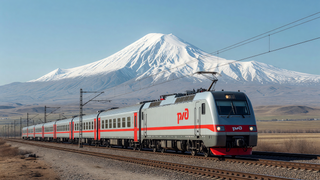
In the urban segment, the picture is uneven. At the end of 2025, the Ministry of Transport announced that fully driverless trams could appear in Russia within one to two years — in Moscow, one of the routes is already operated without a tram driver. The issue of driverless buses is somewhat more complex: unlike a tram, which is tied to rails, a bus operates in open urban traffic and requires consideration of a significantly larger number of variables.
According to the Ministry of Transport, driverless cars may appear on public roads by 2027, when a separate federal law on highly automated vehicles is planned to come into force. Driverless buses with passengers, judging by current expert forecasts, will appear later — in five to seven years.
Read more on the topic:
Never miss our newsAdd this site to your preferred sources to see us more oftenAdd on Google