Translated with AI from the Russian original.
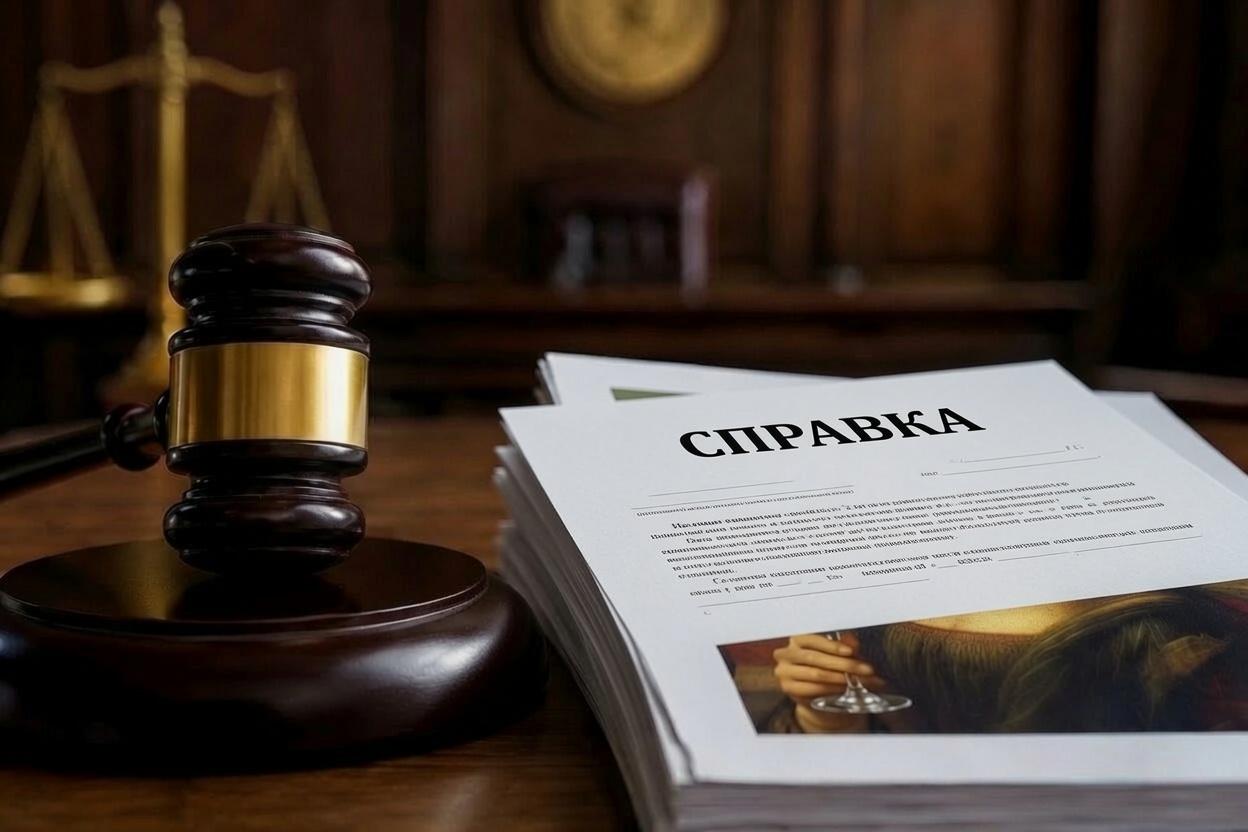
The author of the art objects "Mona Lisa with Wine" and "Statue of Liberty with Wine" failed to secure copyright protection – the Presnensky District Court rejected his claim. According to the judges, the images were created by a neural network, and since it has no consciousness, it does not exert creative effort.
What is the essence of the dispute around generated images
The plaintiff stated that he reprocessed reproductions of Leonardo da Vinci's painting "Mona Lisa" ("La Gioconda") and photographs of the Statue of Liberty using a neural network. The result was the art objects "Mona Lisa with Wine" and "Statue of Liberty with Wine." The defendant used these images on T-shirts, hoodies, sweatshirts, and thermal mugs, which he sold on his website. The plaintiff asked the court to recover compensation from the individual entrepreneur for the infringement of the author's exclusive rights to design works.
The defendant did not acknowledge the claim and stated that the plaintiff's use of images with minor changes to the original works is insufficient to recognize the result as a creative activity, and therefore such images cannot be considered copyright objects subject to protection.
How the author created the "works"
The plaintiff insisted that to create the paintings, he purchased photographs on which he replaced the torch in the hand of the Statue of Liberty with a wine glass and added a background. For the Mona Lisa, he changed the position of her hand, the expression of her mouth, and the contour of her face, increased the volume of her hair and disheveled it, drew bags under her eyes and attached patches, and placed a wine glass in her hand with painted nails.
What the court said about the generated images
The disputed images were created by a neural network, and since it has no consciousness, it cannot be argued that AI exerts creative effort. According to the court, the idea of disheveled hair, a puffy face, a wine glass in hand, as well as replacing the torch of the Statue of Liberty with a wine glass, is not new and is often used in art and media.
The objects presented by the plaintiff cannot be independent objects of copyright subject to protection, since giving commands to artificial intelligence represents simple mechanical actions and is exclusively technical in nature. In this case, giving commands to a computer program to apply an already existing idea (repeatedly implemented) to a previously existing work cannot be regarded as a creative contribution.
As explained by the Presnensky District Court, the plaintiff's contribution is limited to clarifying commands, and this is not considered creativity.
Read more on the topic:
Never miss our newsAdd this site to your preferred sources to see us more oftenAdd on Google

















