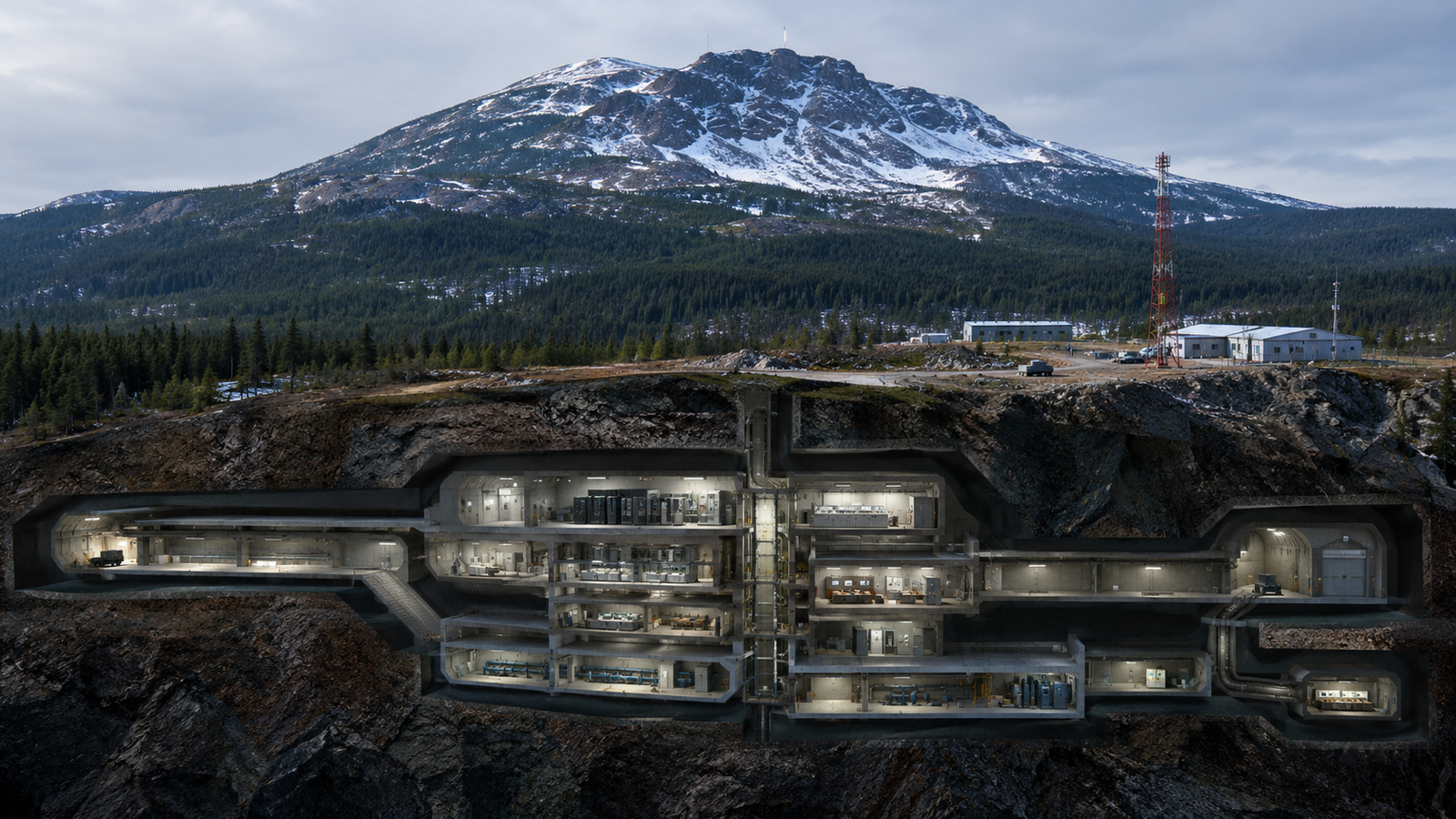
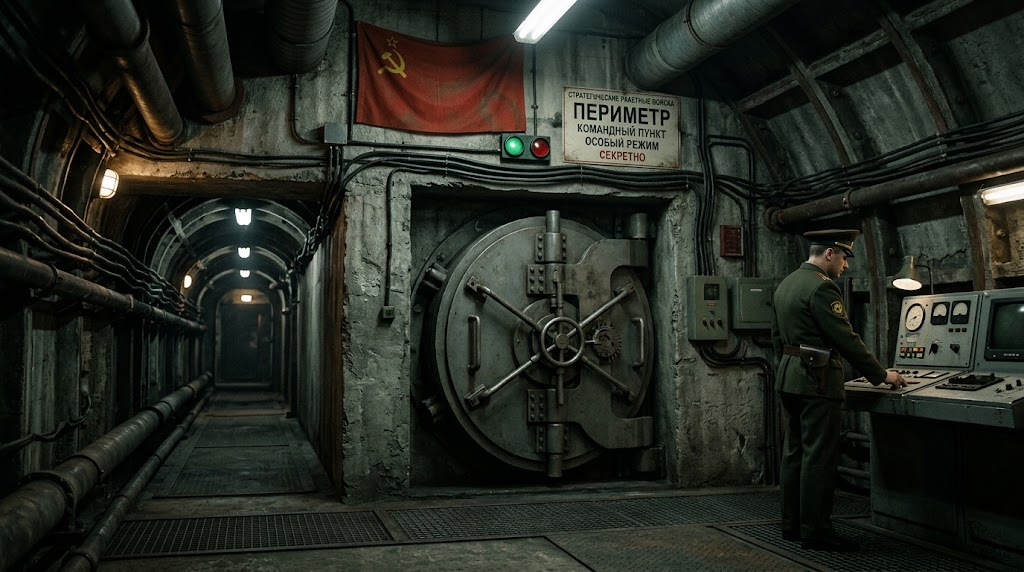
For decades, an underground complex linked to the Soviet nuclear forces control system "Perimeter" has been expanded in the Ural Mountains. An investigation by Danwatch and The Sunday Times revealed the scale of construction at facility 1335 in Mount Kosvinsky Kamen, and former system developer Viktor Khalin stated that the modernized system was again put on combat duty.
"Perimeter" is a Soviet backup nuclear forces control system, created during the Cold War to maintain the ability to transmit an order to use nuclear weapons even if primary command posts and communication lines were destroyed. Development began in the 1970s, the first launch of a special command missile took place in December 1979, and the complex was put on combat duty in January 1985. The system was conceived primarily as a backup channel for transmitting commands to strategic missile forces; it was precisely because of its ability to operate after the destruction of some command links that it became known in the West as the Dead Hand.
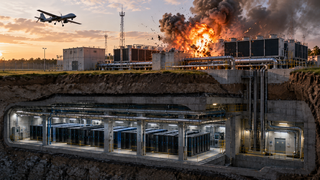
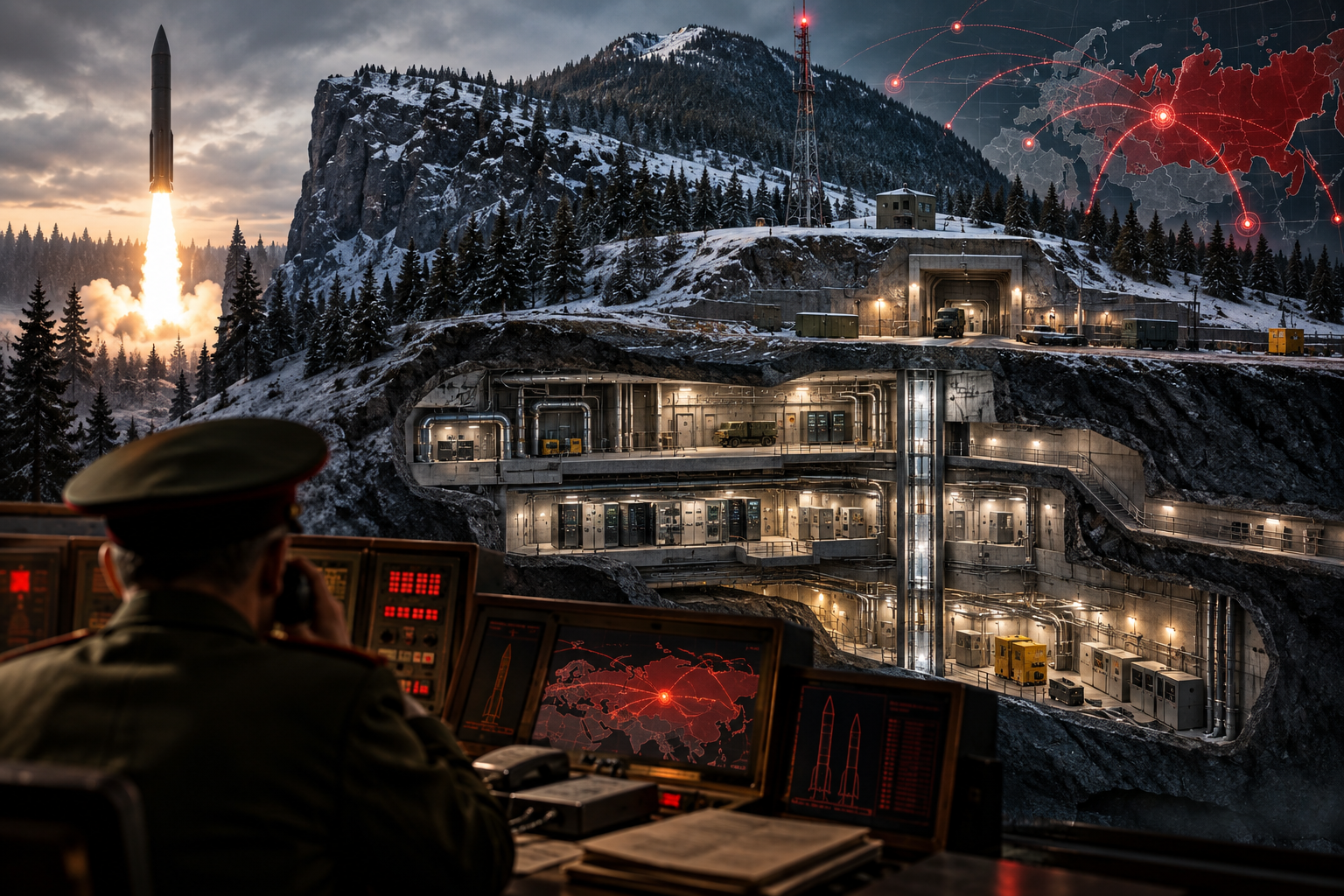
Facility 1335, codenamed "Grot" (Grotto), is located near the village of Kytlym, in the Northern Urals. According to the investigation, underground structures, radio centers, communication and life support systems, as well as strategic nuclear forces control means, were equipped within Kosvinsky Kamen. Work on the modernization and expansion of this complex continued even after the collapse of the Soviet Union.
The scale of the modern infrastructure is evidenced by state procurement documents. They revealed information about approximately 22 thousand tons of steel, 56 thousand tons of cement, and about 13 thousand tons of sand and crushed stone purchased for the facility. In addition, the authors of the investigation also found special construction equipment and rock crushing equipment, 600 km of cables, 14 thousand lamps, 30 transformers, 21 electrical substations, 182 ventilation units, and 95 units of heavy machinery.
The facility's connection to "Perimeter" has a separate history. Retired Major General Viktor Khalin, a veteran of the Strategic Missile Forces, wrote that in 2005 he was tasked with creating a new control link for the system, to be located at facility 1335. According to him, the development passed preliminary tests by 2010, and a new generation of the special product was put on combat duty at the facility in 2023.
At the same time, the very concept of "Dead Hand" requires clarification. "Perimeter" is not a separate missile capable of independently starting a nuclear war, but a backup system for transmitting commands to strategic forces.
Pavel Podvig, a nuclear weapons researcher and author of the "Russian Nuclear Weapons" project, in a joint investigation by The Times/Danwatch, describes it primarily as a communication system designed to transmit an order in a situation where conventional control channels might be destroyed.
The main controversial claim concerns the degree of automation. Khalin writes that after modernization, the Russian leadership gained the technical capability to implement a retaliatory strike in both automated and automatic modes. Podvig, on the contrary, emphasizes the importance of human involvement in the decision-making chain. Therefore, the assertion of a fully autonomous launch of a nuclear strike should be considered a statement by a development participant, rather than an independently confirmed fact.
The investigation was enriched with new data concerning not so much "Perimeter" itself, but rather the modernization of facility 1335 and information about its latest equipment.
Independent confirmation that the system was indeed "revived" after ceasing operation has not been found in open sources: the available data rather indicate the continuation of its operation and modernization.
Read more on the topic:
Never miss our newsAdd this site to your preferred sources to see us more oftenAdd on Google