Translated with AI from the Russian original.
Three-quarters of Russian drivers surveyed could not answer who has the right of way when a car encounters a robot delivery driver. Only 17% are partially oriented in such situations, and only 8% of respondents are well aware of the rules. These results of a survey of its audience were presented by Maxim Kadakov, editor-in-chief of Za Rulem magazine.
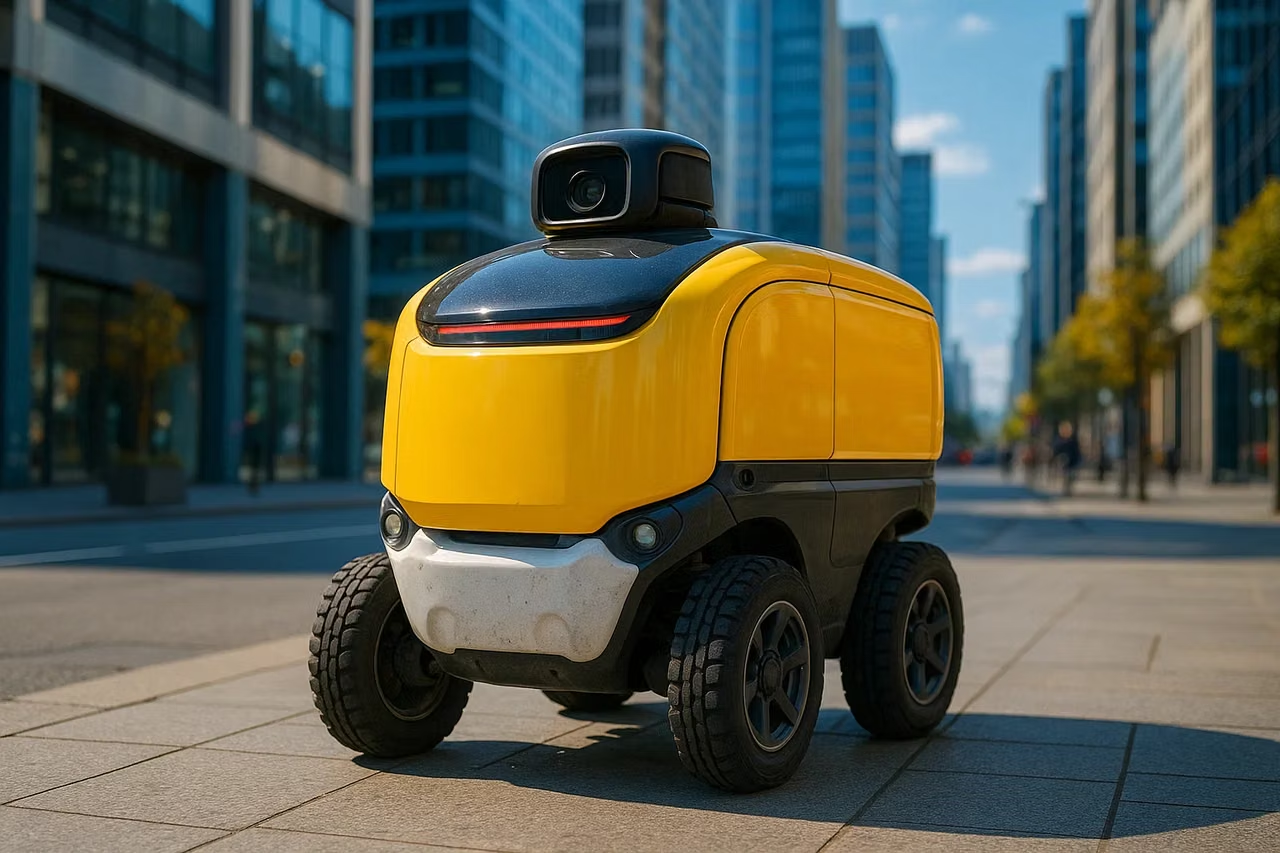
This refers to rovers, whose operation is regulated within the framework of an experimental legal regime. The resolution on its establishment was published on September 29 and comes into force on October 6, 2026. The EPR program contains special rules for the interaction of robots with other road users.
In particular, the rover must yield to pedestrians, cyclists, and users of individual mobility devices. However, at a pedestrian crossing, the driver must yield to the rover crossing the roadway at the crossing.
Drivers, unlike robot-owning companies, are not obliged to study government regulations. And the current traffic rules do not provide answers to all questions. In the current resolution, drivers are mentioned only once: they must give way to rovers at a pedestrian crossing — just like pedestrians.
Separate questions arise in the event of an accident. The EPR program provides for recording the circumstances of the incident and interacting with the operator based on the data specified in the QR code on the robot. The dispatcher must assess the situation using cameras and ensure the arrival of a representative of the operator no later than four hours.
At the same time, Kadakov draws attention to practical issues: how to act if the rover left the scene of the accident or the driver cannot read the QR code. A separate problem is large vehicles, for which a small robot can be practically invisible.
Read more on the topic:
Never miss our newsAdd this site to your preferred sources to see us more oftenAdd on Google

















