Translated with AI from the Russian original.
Scientists from South Ural State University, together with colleagues from China, investigated a method to increase the strength of welded joints using ultrasound. The method is aimed at reducing the negative impact of brittle intermetallic phases that can form when joining dissimilar metals, such as aluminum and steel.
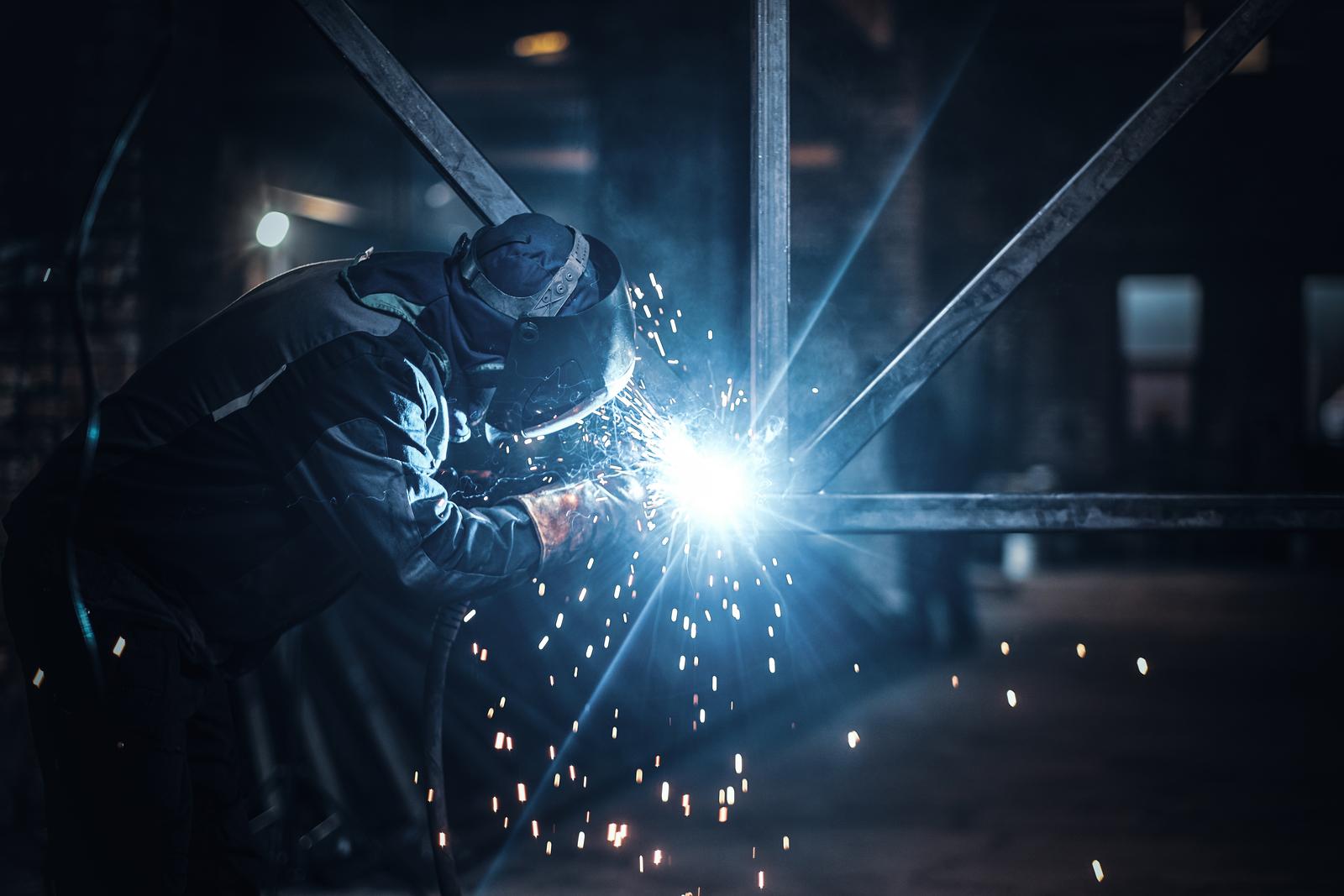
The connection of aluminum and steel is used to create lightweight structures, but the difference in the properties of these metals complicates welding. When welding dissimilar metals, hard and brittle intermetallic phases can form at the joint interface. Such phases can become stress concentration zones and reduce the durability of the joint under loads.
Researchers added ultrasonic waves with a power of about 1200 W to spot welding. Vibration affects the metal directly during the formation of the welded joint and changes the structure of the weld.
According to the university, after such treatment, the strength of the joints doubled, and the service life of the parts increased almost twofold. Scientists also note that the joints are capable of withstanding constant vibrational loads for a long time without cracking.
The technology can be useful in creating lightweight bodies for electric vehicles, as well as in aviation, where the connection of aluminum and steel parts allows for reducing the mass of structures.
Read more on the topic:
Never miss our newsAdd this site to your preferred sources to see us more oftenAdd on Google

















