The Tu-95MS differs from other Russian strategic missile carriers in its power plant. Instead of turbofan engines, like on the Tu-160M and Tu-22M3, the "Bear" is equipped with four NK-12MP turboprop engines with coaxial propellers.
"Perviy Tekhnicheskiy" explains how the power plants are designed and why, even decades later, the design has not lost its relevance.
Two heads are better than one, and 60 thousand horsepower is even better
The Tu-95MS is equipped with four NK-12MP engines, each with a takeoff power of 15 thousand hp. The engines drive coaxial counter-rotating propellers with a diameter of about 5.6 m. This scheme compensates for the reactive torque and allows for the transmission of greater power to the propeller group without increasing the diameter of a single propeller.
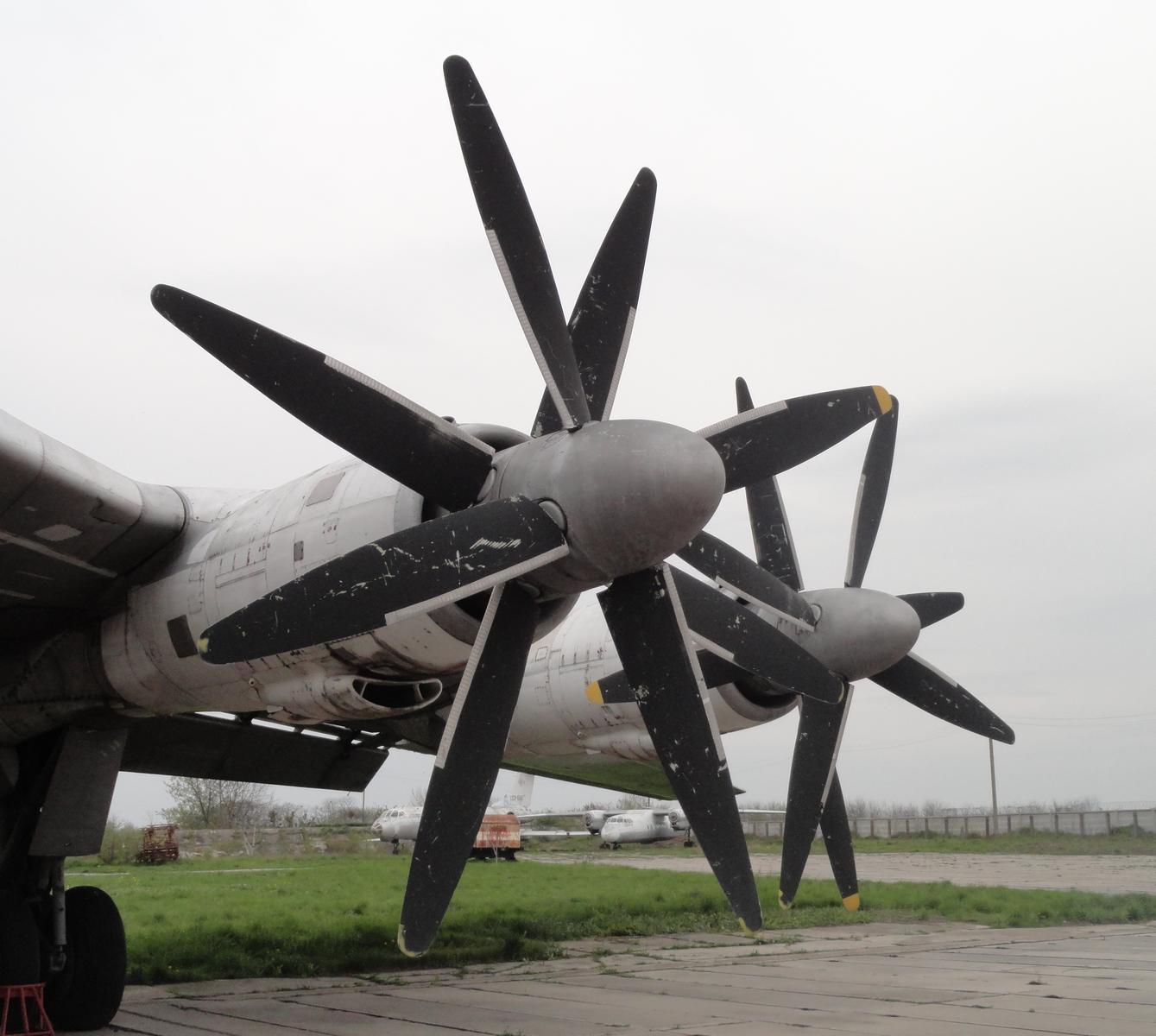
The NK-12MP is equipped with a 14-stage axial compressor, an annular combustion chamber, and a 5-stage axial turbine with power transmission to the propellers via a gearbox.
A burden is not heavy if there is enough thrust
According to open sources, the engine weighs about 3.17 tons without propellers, and its length is approximately 4.8 m.
Four NK-12MP engines provide a total of about 60 thousand hp of takeoff power. The maximum takeoff weight of the Tu-95MS reaches 185 tons, so the power plant is designed for prolonged flight of a heavy aircraft with a large fuel reserve and armament.
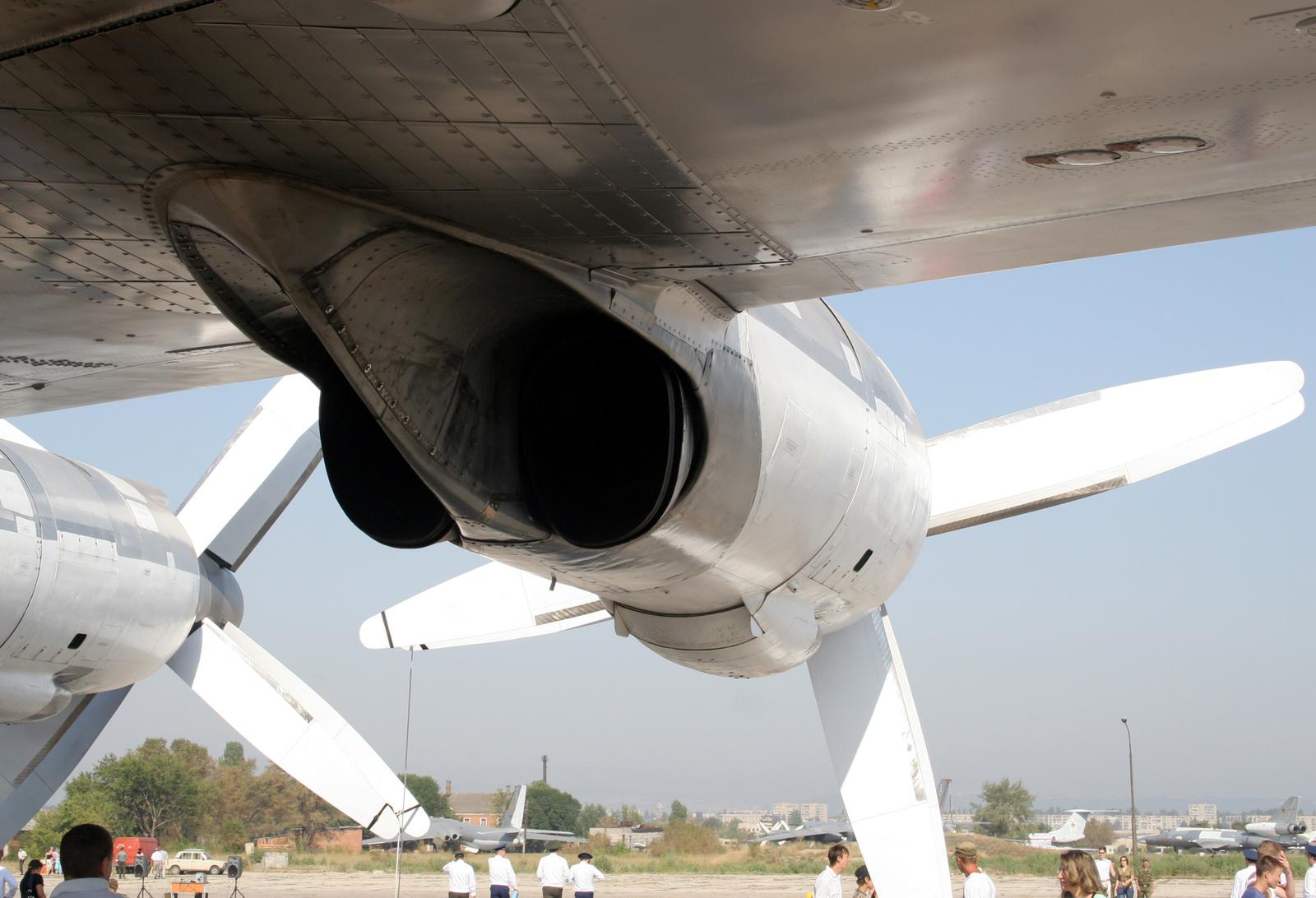
Therefore, even if one NK-12MP engine fails, the others retain the ability to maintain flight, although the crew has to account for the loss of power and thrust asymmetry.
Live and fly forever: how propellers outpace jet fashion
The NK-12MP combines a gas generator and propellers. The main part of the thrust is created by the propellers, which accelerate the airflow backward, rather than by the reactive jet of exhaust gases.
This ensures high fuel efficiency at subsonic speeds, suitable for long patrol and ferry routes.
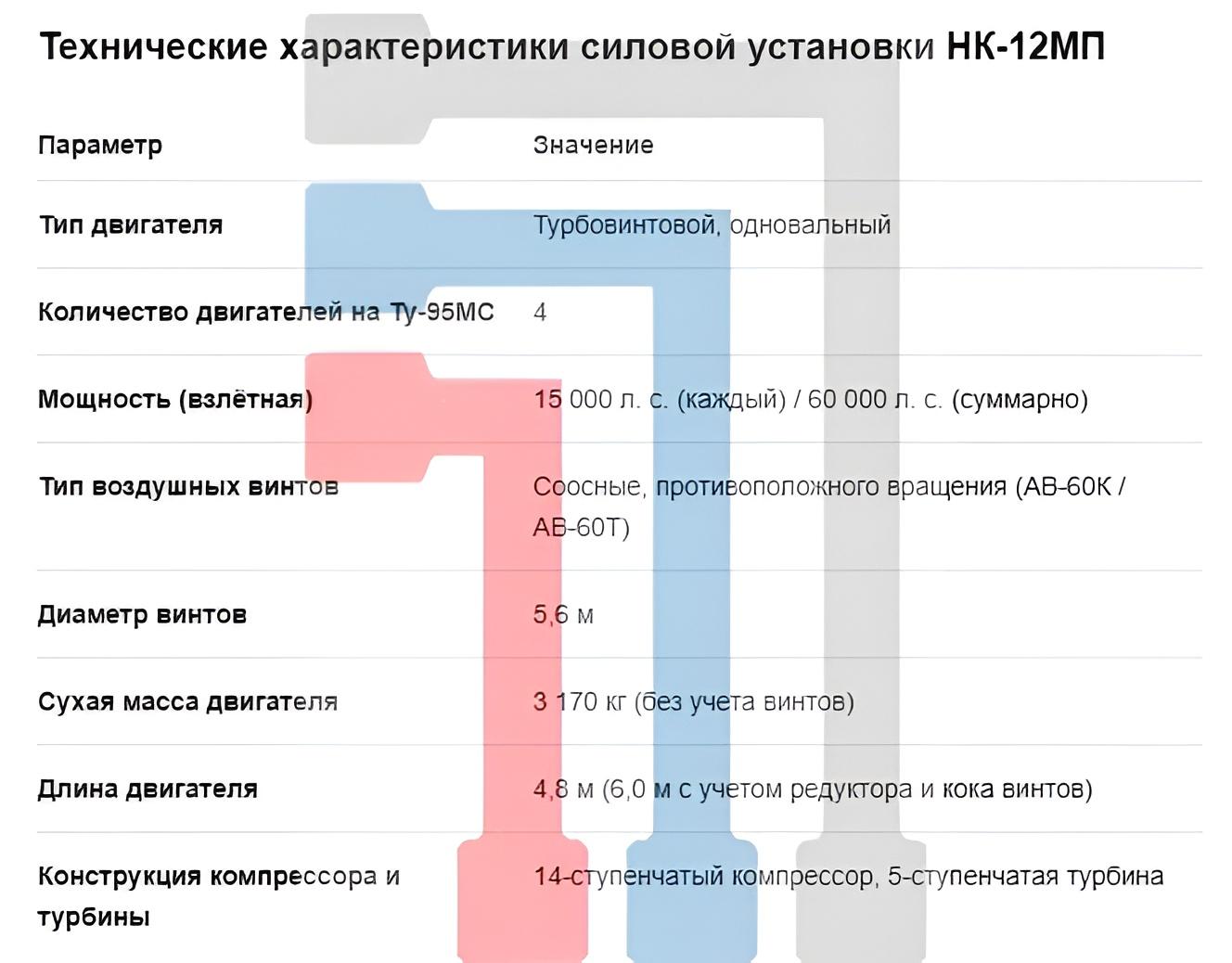
The coaxial scheme allows for the transmission of greater power to two propellers without increasing the diameter of a single propeller to excessive sizes.
The Tu-95MS develops a maximum speed of about 830 km/h. At the same time, the turboprop power plant retains its advantages in fuel efficiency during long subsonic regimes.
Read more on the topic:
Never miss our newsAdd this site to your preferred sources to see us more oftenAdd on Google

















