When creating the Tu-22M3 strategic bomber, Soviet aircraft designers faced a serious technological problem related to the use of aluminum-zinc alloys. This was stated by Vladimir Buznitsky, former Deputy Director of the Kazan Aviation Plant (KAZ, part of the Rostec United Aircraft Corporation).
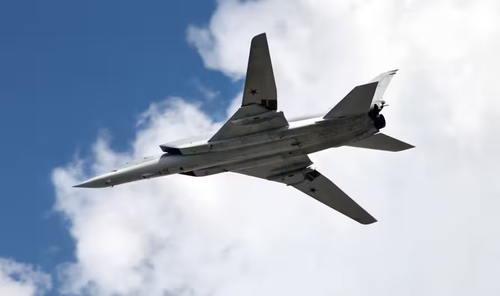
According to him, it was the Tu-22M3 program that became a turning point when the USSR finally abandoned a number of materials that were previously considered promising, but in practice turned out to be dangerous.
One academician at VIAM (All-Union Scientific Research Institute of Aviation Materials) pushed through an alloy of aluminum and zinc. It was used to make spar walls, brackets - everything. The Americans used it on the F-111, and after two thousand flight hours, the joint between the wing and the center section began to crack. The alloy turned out to be extremely unstable to shock loads.
According to him, the appearance of the material in Soviet projects immediately raised many questions from engineers.
We joked that it was American sabotage. It was both fragile and the production technology was greatly complicated. When cracks were first found, we were told: "you just don't know how to rivet." And then the joint between the wing and the center section began to crack during operation, they tried to put titanium plates, the holes were cut in a special way, but it was all useless - it still crumbled.
Let us remind you that the serial assembly of the Tu-22M3 was completed in the mid-1990s. New hulls are no longer produced, so bombers are assembled either from the remaining stocks or old machines are modernized. "The First Technical" described in detail the impossibility of resuming production of missile carriers.
Read more materials on the topic:
Never miss our newsAdd this site to your preferred sources to see us more oftenAdd on Google

















