Russian aviation has taken a giant leap forward. The new generation PD-35 engine, created using additive technologies, has passed successful tests, opening an era of modular and highly efficient power plants.
Carbon Fiber Leads the Parade
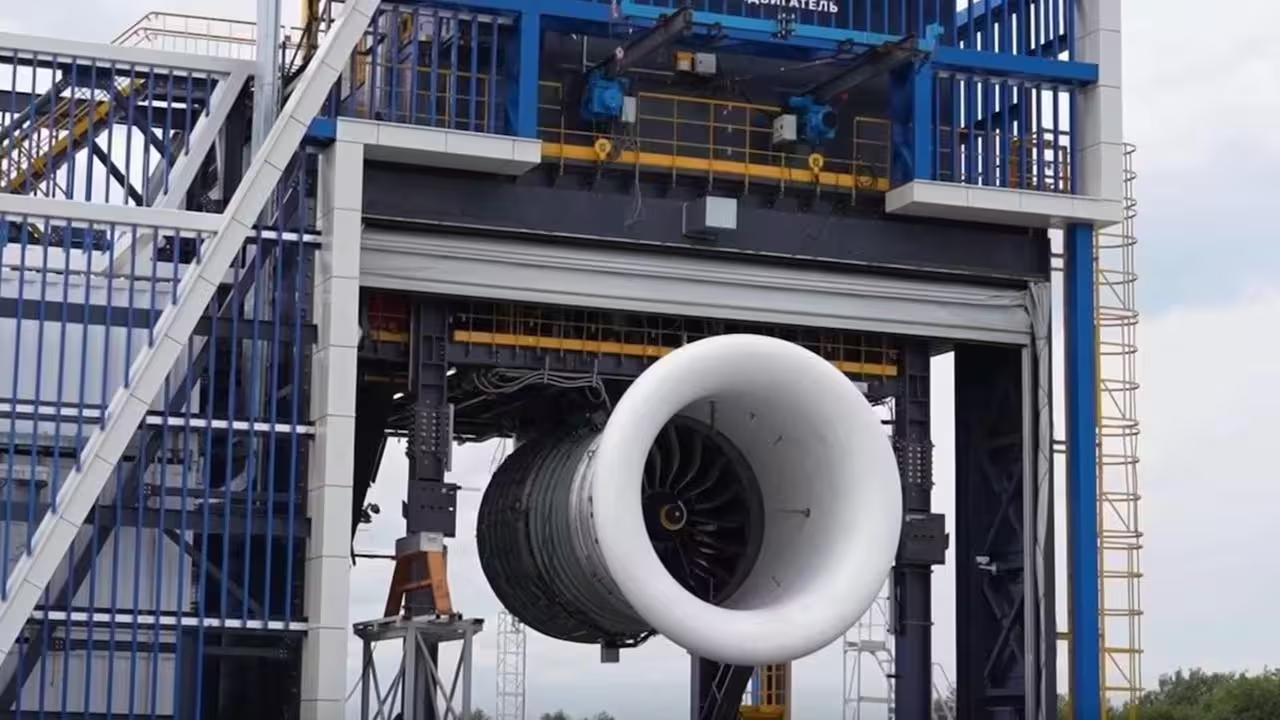
Since 2017, specialists from "ODK-Aviadvigatel" and "ODK-Perm Motors" have been developing the PD-35 - the largest domestic turbojet engine, with a fan diameter reaching 3100 mm.
Carbon fiber blades have reduced the weight by 600 kg compared to the titanium version. The modular approach with unified components and a gas generator allows creating a family of engines with thrust from 24 to 50 tons.
Reliable and Durable
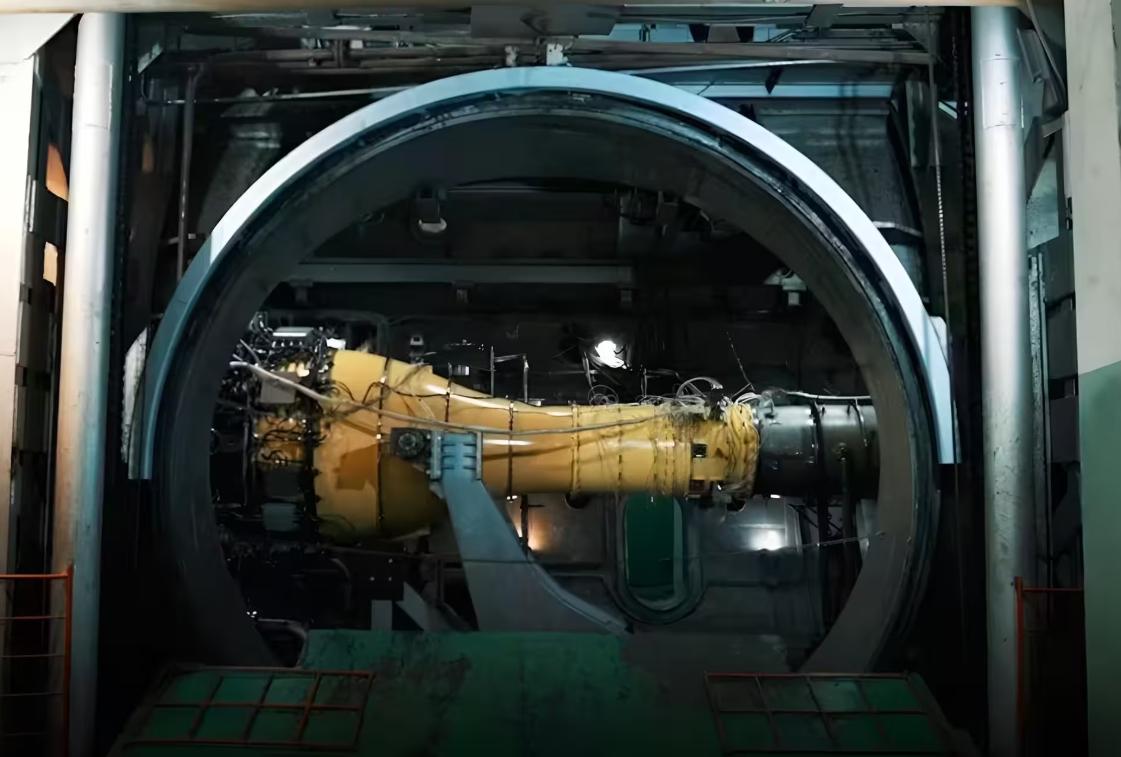
The DDT tests on the test bench confirmed the accuracy of the calculations - more than 50 starts showed stable operation in takeoff mode with a thrust of over 35 tons. Special attention was paid to components made of innovative materials: high-pressure compressor blades and high and low-pressure turbines. These components have been tested for durability and reliability.
Additive technologies, including selective laser melting and hybrid methods, as well as 3D printing, are used in the creation of composite blades and hot section engine parts. The experience of the PD-14 became the foundation for the PD-35: the certification of the PD-14 combustion chamber swirler paved the way for the widespread use of 3D printing.
A Base for Future Engines
Digital modeling, CAD/CAE, and topological optimization reduce the time for component refinement by half, accelerating development and increasing specific thrust and durability.
The PD-35 program forms an industrial platform for the next generation of engines. Among the prospects are the PD-26 and other projects with fully additive components by 2030.
The Russian gas turbine engine industry is reaching a new level, where digital technologies and composite materials ensure efficiency, reliability, and global leadership.
Aviation expert Roman Gusarov explained thatthe PD-35 engine is unlikely to see the light of day before 2030. Theoretically, the unit can be installed on a wide-body Il-96.
Read more materials:
Never miss our newsAdd this site to your preferred sources to see us more oftenAdd on Google

















