Translated with AI from the Russian original.
Scientists at the Moscow Aviation Institute (MAI) have developed a unique device that simulates the operation of an electric propulsion engine of a spacecraft on Earth.
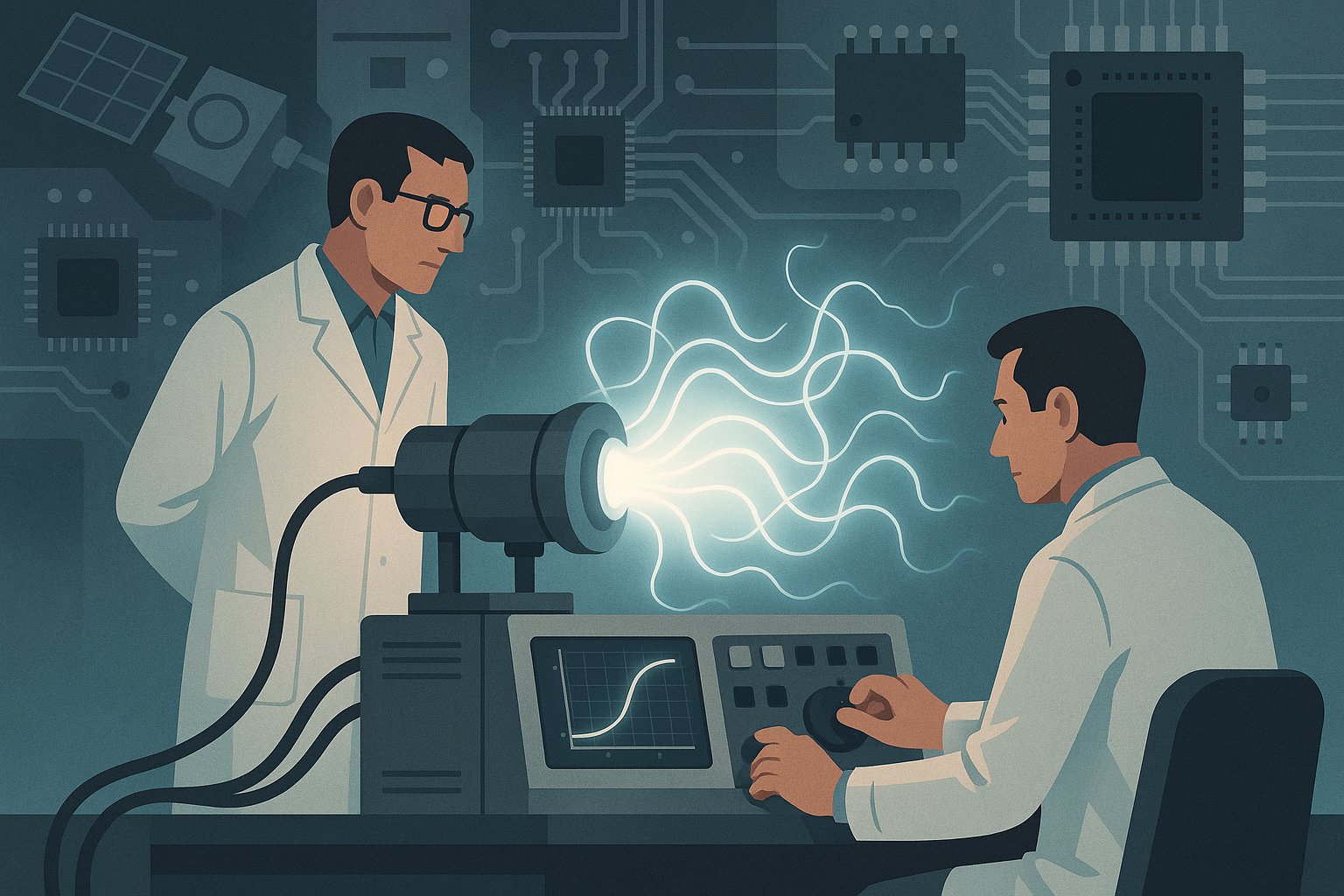
The simulator allows checking and adjusting the electronics of satellites in the air, rather than in a vacuum chamber, which makes the process faster, simpler, and more economical. The basis of the device is a programmable microcontroller that changes the parameters of electrical circuits and creates a load that is practically indistinguishable from a real engine. This provides engineers with the opportunity to test systems in conditions as close as possible to real ones and develop electronics that are more resistant to interference.
For the first time, such a simulator was created exclusively using domestic components. According to Alexander Bogaty, Deputy Director of the Research Institute of Applied Mechanics and Electrodynamics at MAI, the need for such devices will grow with the development of multi-satellite constellations, where each device is equipped with a propulsion system.
The development was carried out in the interests of the "Reshetnev" enterprise (part of Roscosmos), which has already launched the first domestic conveyor line for assembling satellites weighing up to 300 kg and their constituent elements. The simulator will significantly speed up testing and increase the reliability of the electronics of future spacecraft.
The creation of a domestic simulator reduces dependence on foreign technologies, reduces the cost of satellite testing, and increases the readiness of Russian electronics for operation in space.
Read also on the topic:
Plasma injector developed by Russian scientists from MAI has already been delivered to the ISS
Russia and China will jointly build new rocket engines
Never miss our newsAdd this site to your preferred sources to see us more oftenAdd on Google

















