In 2026, Russian airlines will begin to receive the modernized Il-114-300 aircraft, the basic version of which was developed back in the 80s of the last century. Then its production did not go ahead due to the "wild 90s" that followed, but now the situation has changed, explained aviation expert Roman Gusarov.
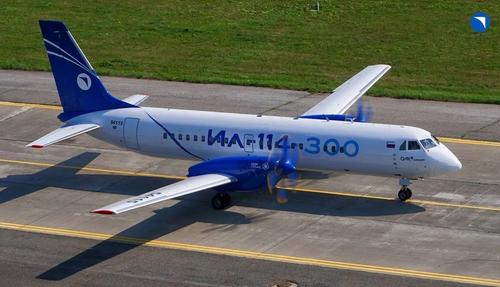
According to him, the updated aircraft is highly anticipated on local lines to replace the old Soviet An-24.
The new modification of the "Il" has modern equipment, including avionics and a number of other systems. But like the An-24, it can be operated in difficult conditions, including unpaved runways and arctic frosts.
Gusarov noted that the delay in production was due to the engine, which needed refinement. According to the forecast of the head of the Ministry of Industry and Trade Anton Alikhanov, if the certification work is completed before the end of this year, the first production aircraft will presumably be received by airlines in August 2026.
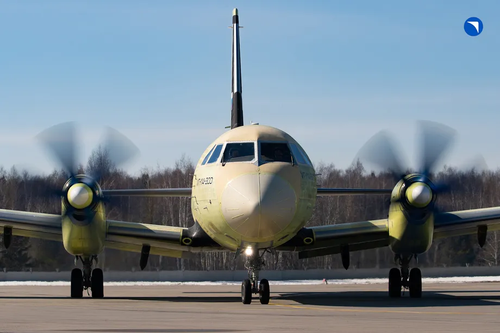
The head of Rosaviatsia Dmitry Yadrov also noted thatthe readiness of the Il-114-300, taking into account the certification testing process, is the highest of all expected domestic aircraft. It is likely that airlines will receive it slightly earlier than the MC-21 and the new "Superjet".
Earlierwww1.ru reported that Roscosmos Tu-204-300 aircraft rose to 10 km to observe a lunar eclipse.
Read more materials:
Deficiencies in wing aerodynamics found in "Baikal": billions spent, but no aircraft
New PD-8V engine being developed for Mi-26 giant helicopters
Development of Tu-214 stalled due to MC-21-310: billions of rubles did not help
Never miss our newsAdd this site to your preferred sources to see us more oftenAdd on Google