Scientists from the Institute of Biomedical Problems of the Russian Academy of Sciences, in the course of their own research, discovered that the "hormone of mobility," known as the peptide MOTS-c, can protect muscles from depletion in the absence of physical activity.
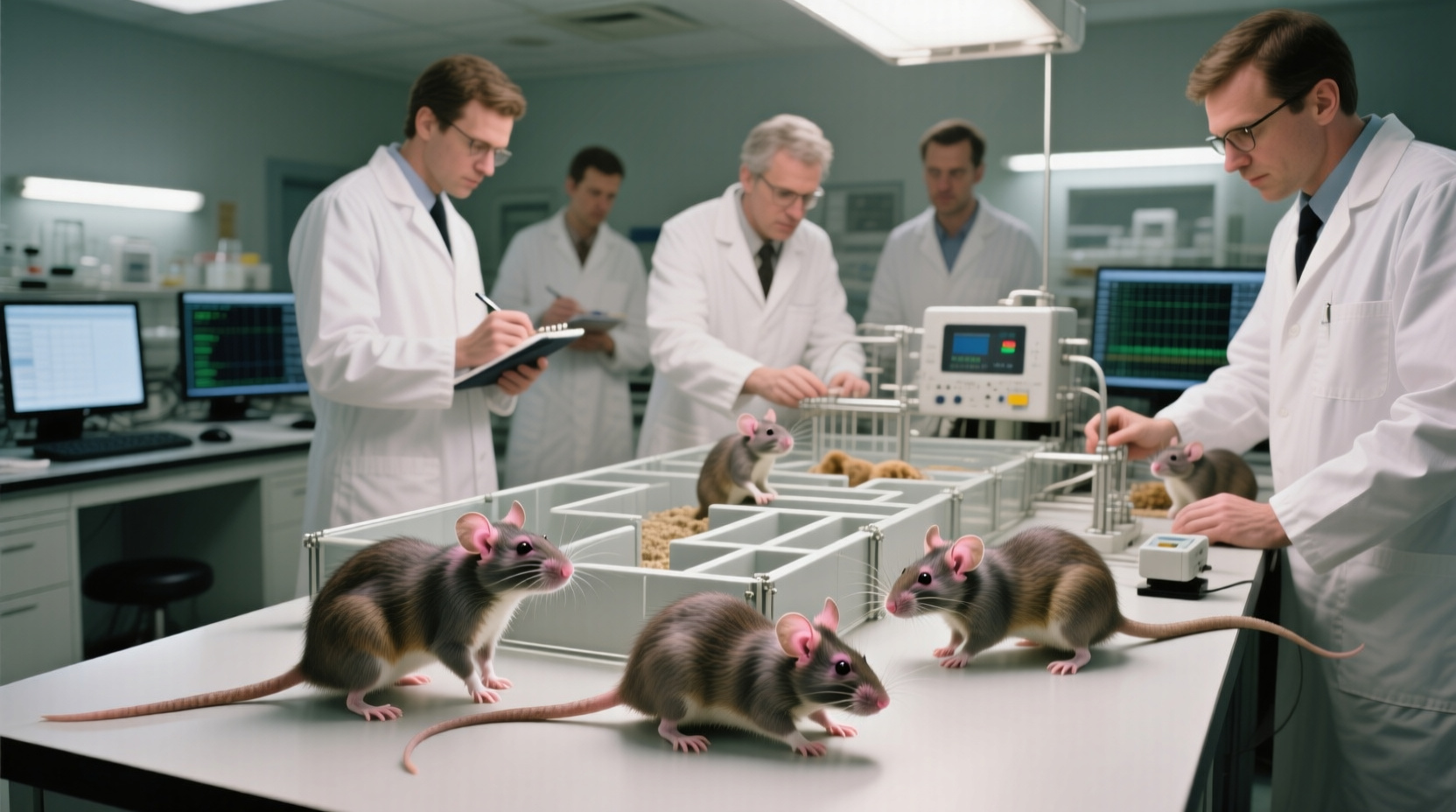
The research was conducted on rats. They were injected with MOTS-c for seven days, simulating zero gravity conditions. It turned out that the muscles of rats receiving the drug retained their strength and endurance. In the control group of animals that did not receive the drug, muscle mass decreased by 10-15%.
The peptide MOTS-c, known as the "hormone of mobility," can protect muscles from depletion in the absence of physical activity. The results showed that the muscles of rats receiving the drug retained their strength and endurance, unlike the control group, in which muscle mass decreased by 10-15%.
Project leader Kristina Sharlo said that muscle mass loss has become a problem not only for astronauts, but also for many people on Earth. A third of adults lead a sedentary lifestyle. They are at risk of experiencing muscle weakness.
Experts intend to continue research and find out how the level of calcium affects the functioning of muscle fibers. This will help understand how they are able to resist fatigue.
Read more on the topic:
A system for intelligent diagnosis of sarcopenia has been created in Kuzbass
Tests to determine the risk of sudden death will appear in Russia
Bioequivalents of muscle tissue created by scientists at NUST MISIS