Tomsk State University of Architecture and Civil Engineering (TSUACE), together with the Institute of Strength Physics and Materials Science of the Siberian Branch of the Russian Academy of Sciences, are developing refractory products with an increased service life for the Russian metallurgical industry. The new technology is aimed at extending the service life of products and improving the efficiency of steel plants. This was reported in the press service of the university.
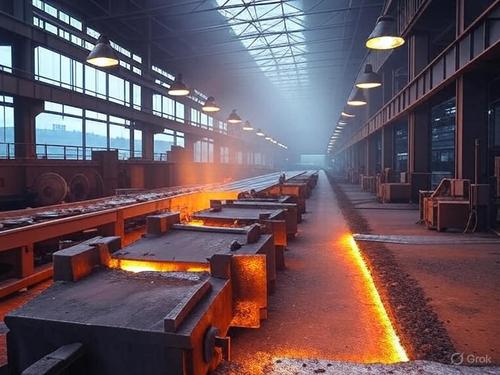
At Russian steel plants, the overhaul interval averages from 1 to 3 years. This is due to the need to replace the worn and damaged ceramic lining - a protective structure made of refractory material that protects the internal surfaces of furnaces from high temperatures and chemical influences.
Refractory ceramic materials are fragile, cracks in them develop rapidly, leading to complete loss of strength and destruction. Our research is aimed at forming a complex multi-level structure of a composite ceramic refractory material. By controlling the composition, internal stresses, it is possible to achieve that the material itself will resist the development of cracks originating in it, retaining up to 60% of its original strength.
The new technology still needs industrial testing, but it already demonstrates great potential for application in Russian industry.
Earlier www1.ru reported that scientists from Volgograd State Technical University developed a fire-resistant material based on natural compounds.
Read materials on the topic:
Severstal Steel Solutions has mastered a new technology for applying fire retardant coating
Severstal has developed Iconball impact-resistant grinding balls
Never miss our newsAdd this site to your preferred sources to see us more oftenAdd on Google