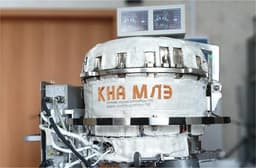
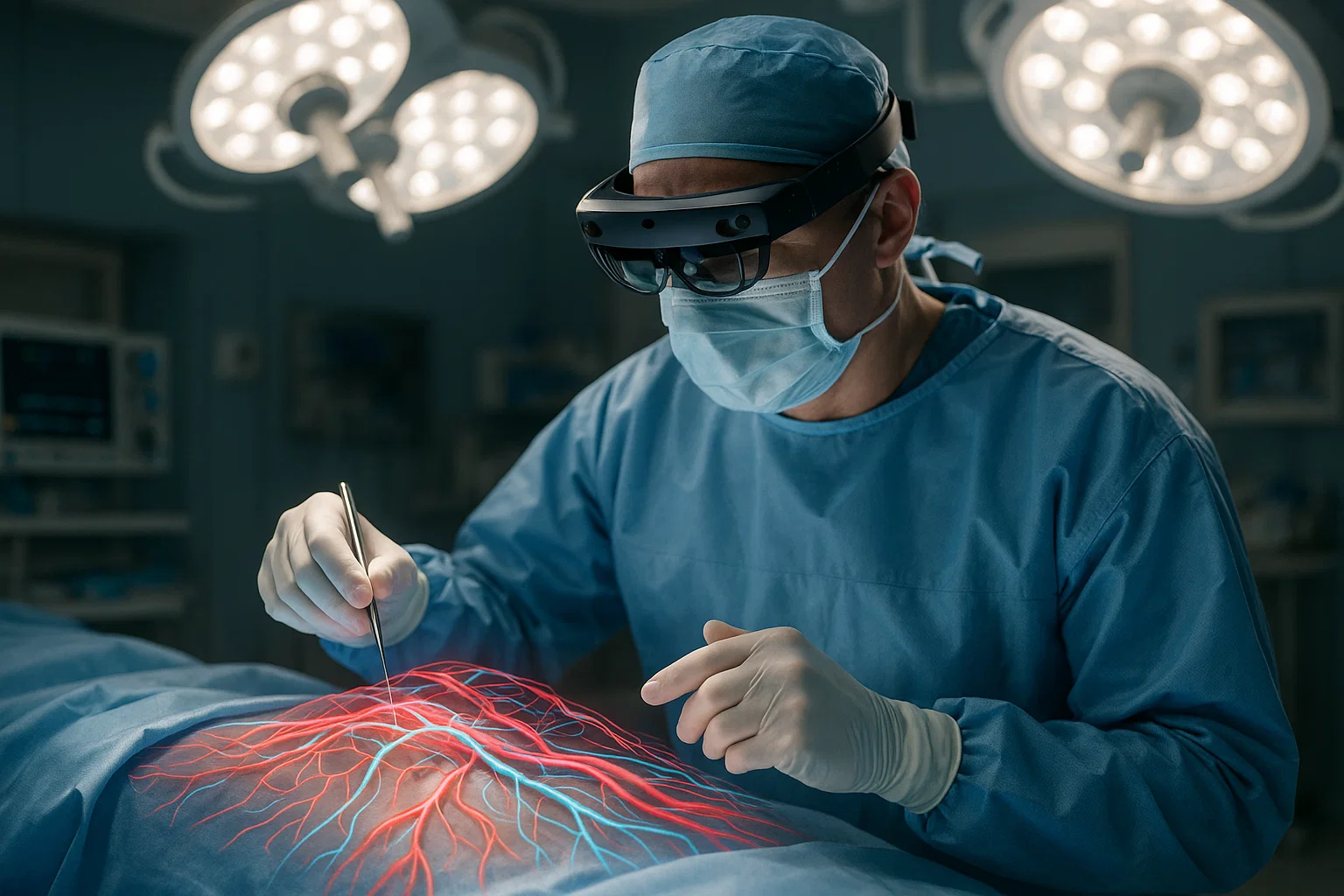
RTU MIREA is developing an augmented reality (AR) system designed to assist surgeons during operations. The project, created as part of the "Priority 2030" program, uses AR glasses that project data about the patient's tissues, vessels, and nerves onto the lenses. This will allow surgeons to better navigate the anatomy, reducing the risk of errors.
Augmented reality technology has already proven its effectiveness in other areas of medicine. For example, in neurosurgery, the use of AR reduced navigation errors by 30%, and in cardiac surgery, it accelerated operations by 15%.
The developers at RTU MIREA have created a prototype based on the Arduino nano microcontroller.
Although the concept is still too large to be integrated into glasses, it allows the development of software with a database that will help doctors navigate human anatomy. The head-mounted device creates transparent, floating images in the surgeon's field of vision, combining anatomical images of the patient with the real operation.
Surgeons will be able to move freely around the operating room while viewing holographic images of internal organs from various angles. The system supports voice commands and gestures for interactive control of images and information, including the projection of key patient indicators.
The project was presented at the "RADIOINFOCOM - 2025" conference.
Read more materials on the topic:
VR glasses for working with industrial equipment created in Moscow
AvtoVAZ wants to introduce virtual reality in mechanical engineering