Russian scientists from Perm Polytechnic University have proposed a new diagnostic method that identifies the disease at an early stage, even before symptoms appear, with an accuracy of up to 89%.
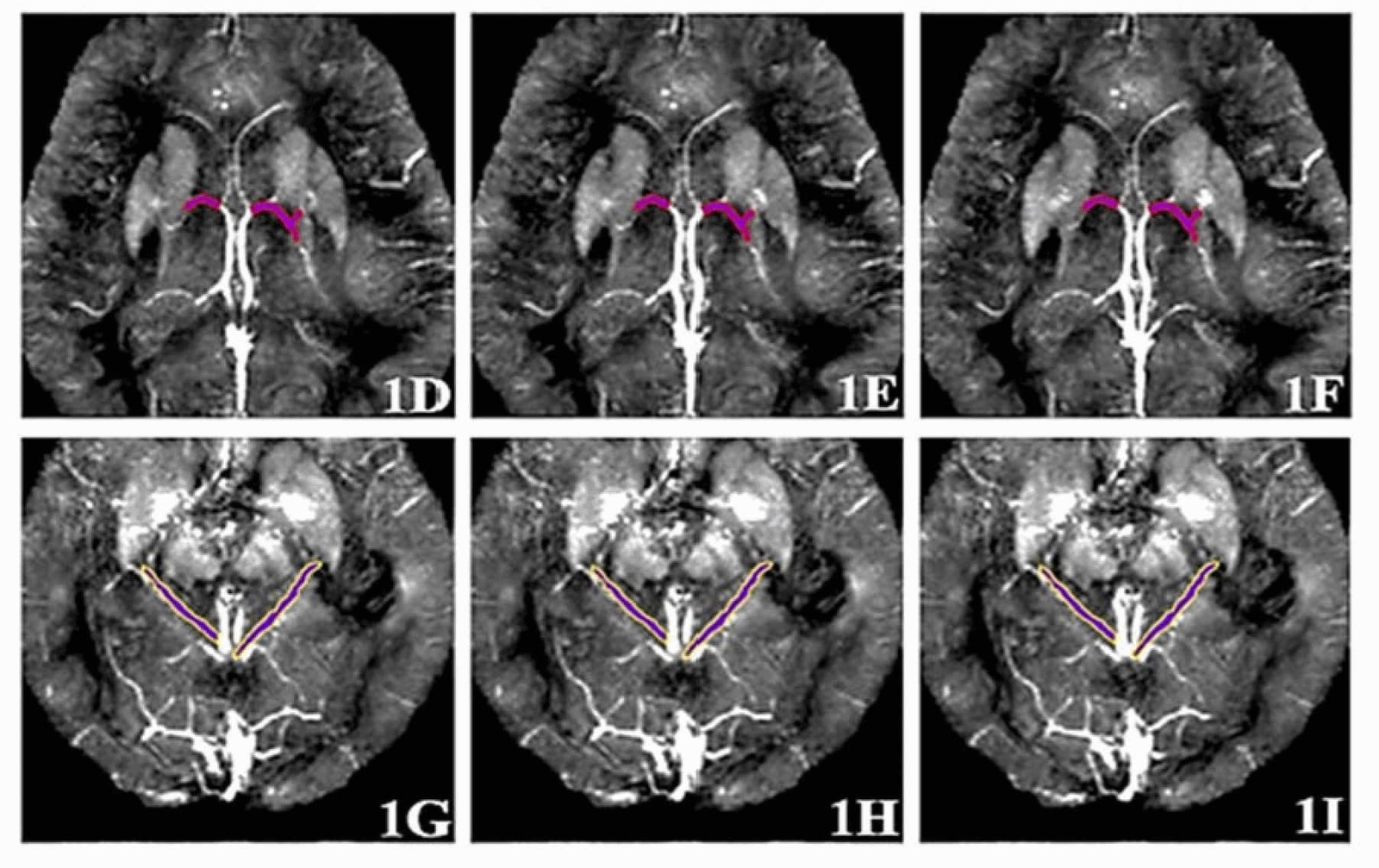
Our approach allows detecting the disease at the preclinical stage, when symptoms have not yet manifested. Unlike invasive methods such as biopsy, contrast-enhanced MRI has minimal impact on the body.
The method is based on the analysis of magnetic susceptibility of six brain veins using contrast-enhanced MRI. The obtained data is processed by a machine learning algorithm - a "decision tree" - which classifies the patient's condition as healthy (CON) or indicative of Alzheimer's disease (AD).
In practice, it looks like this. A contrast agent based on gadolinium is injected into the patient, which enhances the MRI signal, where the person undergoes a brain scan. Then, specialists measure the magnetic susceptibility in six brain veins. These parameters provide important information about the condition of blood vessels and oxygen levels, which may change during the development of Alzheimer's disease.
Alzheimer's disease remains one of the most complex medical problems of our time, affecting millions of people worldwide. According to the WHO, the number of patients with this diagnosis may exceed 130 million by 2050. The key difficulty is late detection, when treatment is already ineffective. Apatent has already been obtained for the method developed by PNRPU researchers. It is worth emphasizing that the final decision always remains with the attending physician, as this method is auxiliary and does not replace a professional assessment of the situation.
Read more on the topic:
Irradiated resin: Scientists of Perm Polytechnic University have found out how radiation improves the properties of polyester resins
An orthosis for hand rehabilitation after a stroke was developed by a student of RTU MIREA
Never miss our newsAdd this site to your preferred sources to see us more oftenAdd on Google

















