On June 12, North Korea ceremoniously launched a new destroyer, restored after an accident during the first launch attempt in May. The warship was armed with the Russian Pantsir-ME anti-aircraft missile and gun system (SAM).
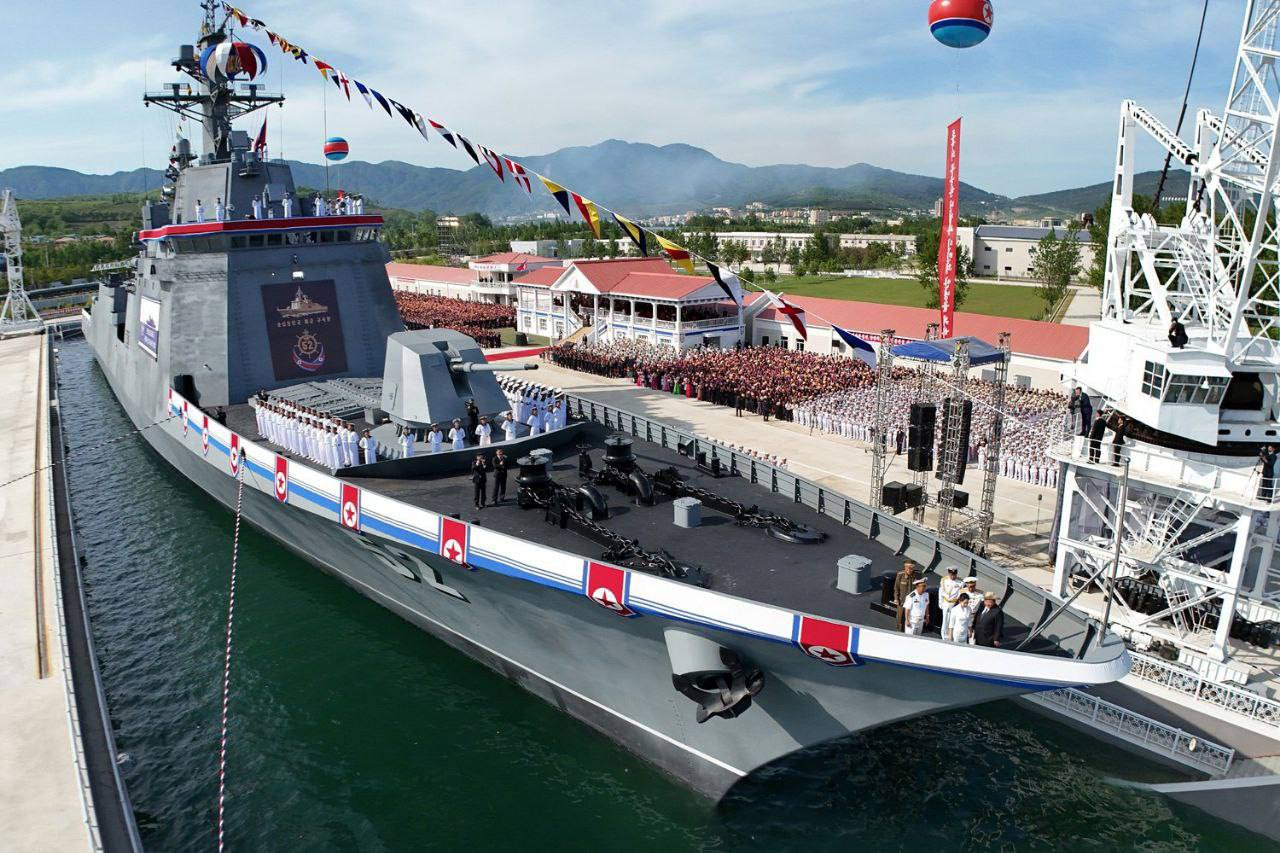
The solemn launching ceremony of the destroyer took place on Thursday at the Rajin shipyard.
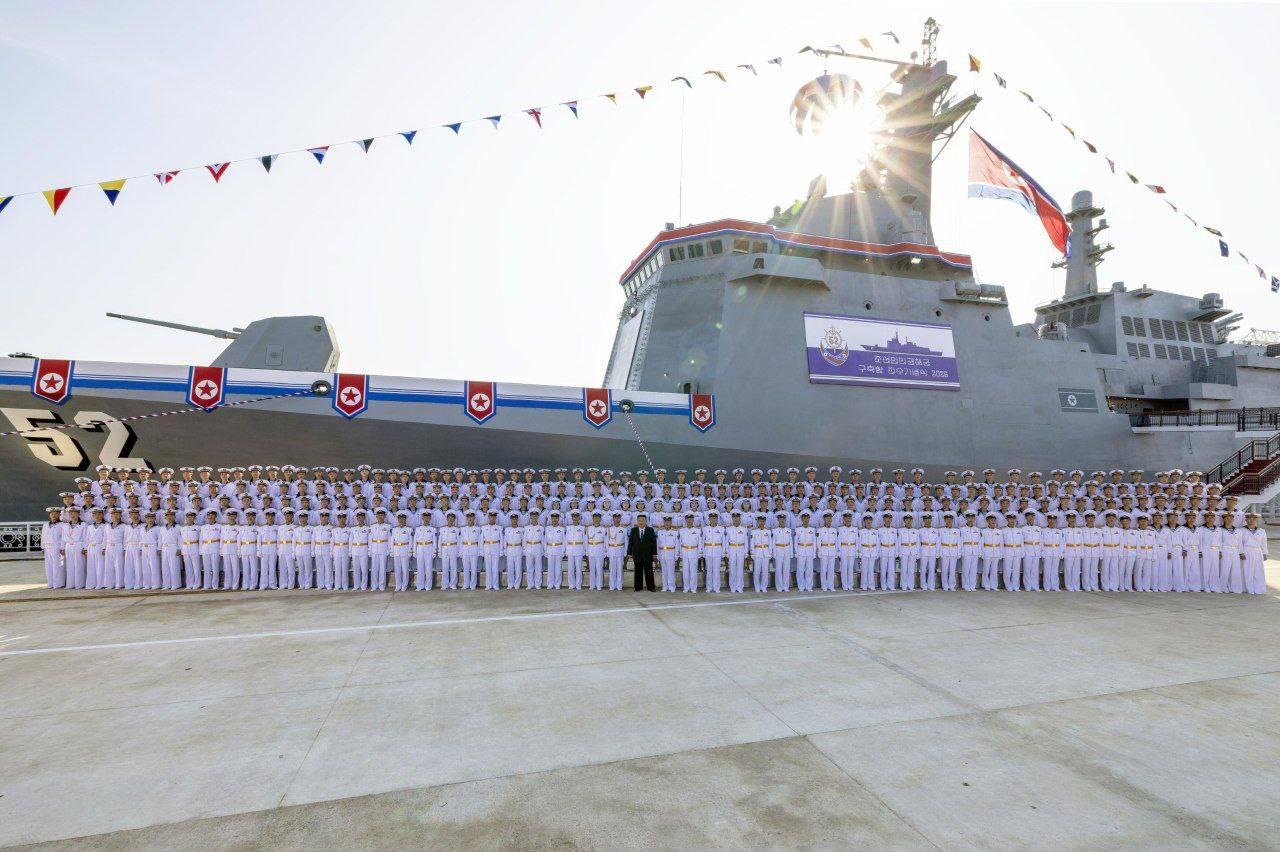
The launch of the first of the new type "Chhoe Hyon" destroyers with the same name took place on April 25 at the Nampo shipyard. And on May 21, the second destroyer was supposed to be launched in Chonjin, but a serious accident occurred in the process, the ship ran aground and received a number of damages.
About "Pantsir-ME":
"Pantsir-ME" can be installed on most ships entering the Russian fleet. The ships under construction are initially armed with this type of SAM.
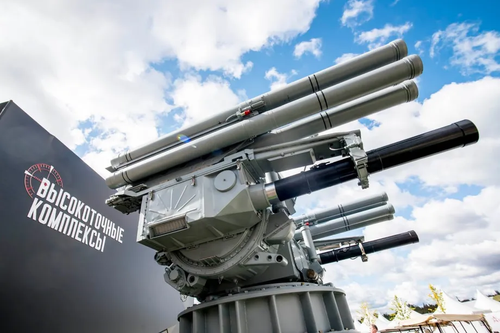
Rostec noted that its uniqueness lies in the presence of modern radar-optical means of detecting and tracking targets. In addition, the marine "Pantsir" has missile and artillery weapons.
The complex can hit targets at any time of the day and in any weather conditions. It is also capable of hitting low-flying high-precision weapons and the latest types of anti-ship missiles.
Earlier www1.ru reported that 1.1 billion rubles were demanded from the manufacturer of military boats for the Pacific Fleet.
Read more materials:
Corvette "Mercury" launched a "Caliber" missile at a sea target
A unique prototype of a satellite communication station for monitoring UAVs was created in Russia
The BRDM-2 scout was first equipped with "Utes" instead of a standard turret with machine guns
Never miss our newsAdd this site to your preferred sources to see us more oftenAdd on Google

















