The first photograph of the Chinese sixth-generation heavy fighter, known as the J-36, has appeared; the official designation has not yet been confirmed. The new image allows us to examine the key features of the promising machine.
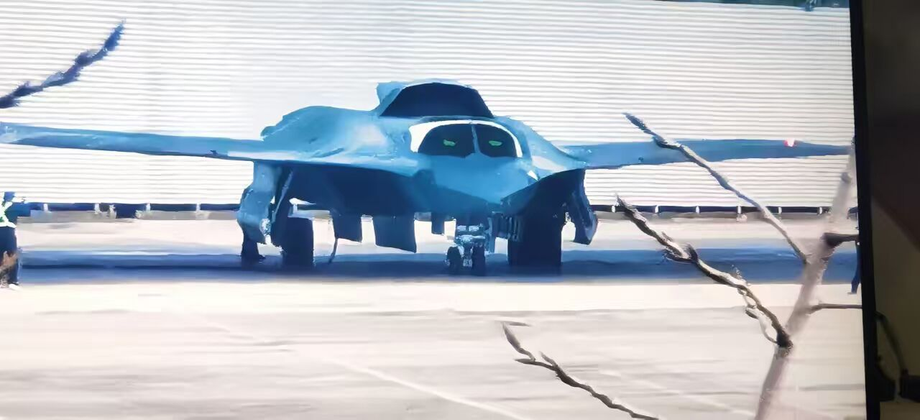
The new image confirms assumptions about the cockpit layout - the J-36 is equipped with a two-seat cockpit with side-by-side pilot arrangement, like in the Russian fourth-generation fighter Su-34 or the American F-111.
This approach is justified - despite the development of artificial intelligence and automation, the high complexity of the tasks facing the aircraft requires the participation of two crew members.
Of particular interest are the side weapon bays, which are probably intended for housing small-sized guided aviation munitions and air-to-air missiles. The central bay is capable of accommodating larger strike weapons, including long-range missiles.
Earlier www1.ru reported that Uralvagonzavod announced an all-Russian vote for a new name for the BMPT Terminator.
Read more materials:
Footage of a low-altitude flight of the "flying tank" - the Il-2 attack aircraft - has appeared
A unique video of a meeting between a Russian drone and an American F-16 has appeared
Tu-160 strategic missile carrier: what is the uniqueness of the "White Swan"
Now on home

Start of deliveries scheduled for 2027

Over 51,000 new motorcycles were sold in Russia in 2025

The car will take at least a year to assemble

The application's audience has reached 20 million users

The model will be included in the list of cars for taxis, price - from 2.25 million rubles

All parking lots of the "Administrator of the Moscow Parking Space" are connected to the service

The cars will be supplied to the Moscow Transport Service Directorate
Deliveries to India may begin in 2028
The technology provides automated search for all types of defects in power units
The plane flew 500 km, accelerating to 425 km/h

The plant stated that the information about the termination of purchases for models 6 and 8 is not true
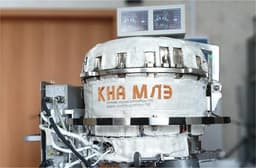
Scientists are using the "Ekran-M" installation