An important step in the field of medical technologies has taken place at Tomsk Polytechnic University (TPU). Specialists from the Center for Additive Technologies of Common Use (CATCU), with the support of Rosatom, have successfully printed the first batch of tooling for urological extractors.
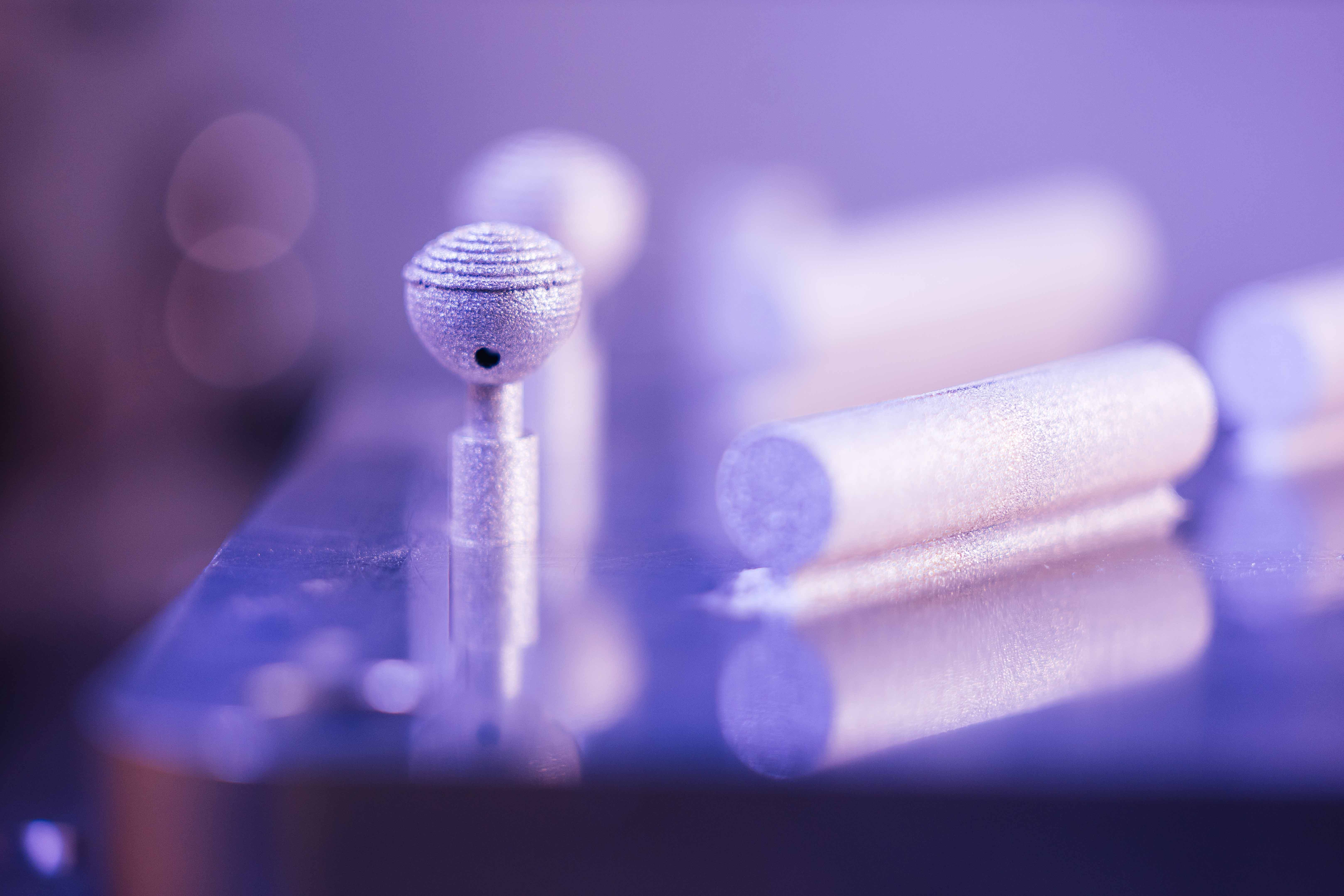
3D printing makes it possible to manufacture tooling for extractor baskets used in the treatment of urolithiasis and cholelithiasis ten times faster and twice as cheap as traditional methods. The tooling is necessary to create basket traps that capture and remove stones from the body.
The products must meet strict requirements: they must not oxidize when heated to 500 degrees, have low heat capacity and withstand repeated heating and cooling cycles. The use of a 3D printer allows you to produce tooling with high accuracy and quality.
The first batch was printed from nickel powder on a RusMelt 300M printer, which is capable of creating complex parts using selective laser melting technology. The printer provides high performance and ease of operation. Up to 150 tools can be manufactured in 24 hours, which significantly reduces production time.
The finished products were sent to medical institutions in Omsk, Perm, Kaluga, Nizhny Novgorod and other cities. Evgeny Bolbasov, head of CATCU, noted that this is the first time a 3D printer has been used to print heat-resistant alloys, which was a real challenge for the team.
The Rosatom State Corporation is actively developing the availability of 3D printing in the regions through a federal network of Additive Technology Centers. Ilya Kavelashvili, Director of the Additive Technologies business line, emphasized that cooperation between universities and industry improves the quality of medical devices and increases production efficiency.
Read more on the topic:
TPU has created a technology to combat aircraft icing