South Ural State University (SUSU) has developed a method to improve the efficiency of electric motors. The new approach reduces overall energy losses by at least 50%, according to the press service of the Ministry of Science and Higher Education of Russia.
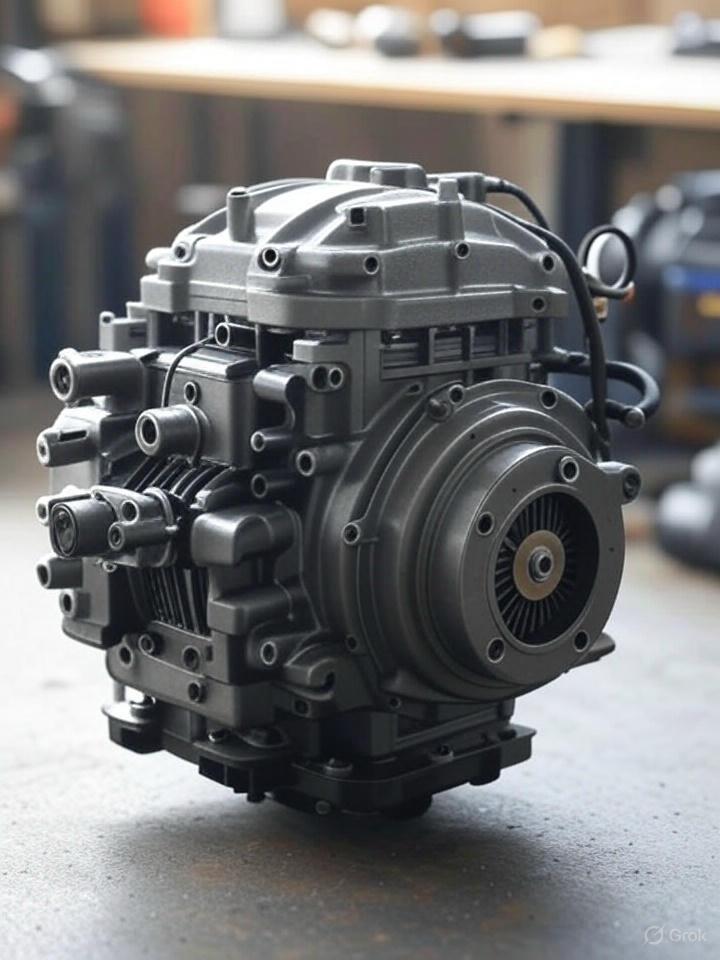
This technology significantly reduces energy consumption and decreases negative impacts on power grids. It is important to understand that asynchronous motors are the foundation of modern industrial equipment, accounting for approximately 80% of all electric motors used worldwide.
The main idea behind the new technology is the adaptive control of the motor's magnetic field. Unlike standard methods that maintain a constant magnetic flux regardless of the load, the scientists proposed automatically adjusting the magnetic flux-reducing it at low loads and increasing it when more power is needed. Experiments have shown that this adaptation significantly improves the efficiency of the motors.
The new technology has great potential for application in various industries (industry, energy, and transport). It can significantly increase the economic efficiency of enterprises and save billions of rubles in electricity costs. One of the major oil-producing holdings has already ordered the installation of several dozen special controllers.
Earlier,www1.ru reported that the "Svirel" electric motoraccelerates drones by 30%.
Read more on the topic:
Investments in the Sky: 20 Billion Rubles Invested in Civilian Drones in Russia
Russia Finds Foreign Partner for UAV Development
Never miss our newsAdd this site to your preferred sources to see us more oftenAdd on Google

















