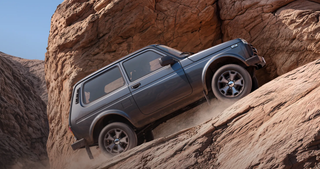
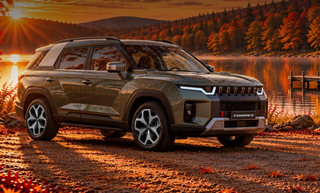
AvtoVAZ presented the concept of the new Lada Niva T-134 model. There are two main problems on the car's path to mass production, related to technical units, said Nikita Gudkov, an expert at "Behind the Wheel."
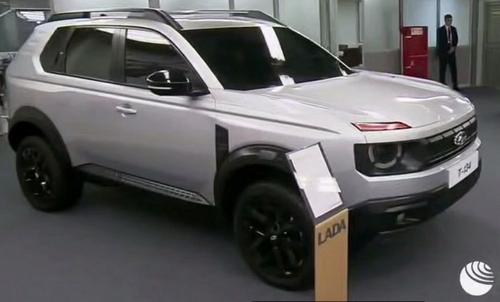
According to him, it left no one indifferent. At the same time, at the moment there is only the exterior design, echoing the classic image of the "Niva", and information that the model will be based on a modified Lada Vesta platform.
The first disadvantage is the lack of all-wheel drive. However, integrating an all-wheel drive transmission into a platform that was not originally intended for it is a job on a scale comparable to developing a new architecture. It is necessary to create or modify at least half of the body, rear and front gearboxes, rear wheel drives and cardan, rear suspension with hubs, fuel tank, exhaust system, and so on. Sounds like a utopia.
He called the second problem the lack of a powerful and high-torque engine.
The maximum 122 hp of the current VAZ 1.8 engine makes the Vesta feel sluggish. For a tall and heavy crossover, it is finally necessary to master (or buy in China) a turbo engine, and with it - the corresponding "torque" gearboxes, which AvtoVAZ does not have today. In short, the path of the T-134 will not be easy.
At the moment, no real research and development work has been carried out on the T-134.
Read materials on the topic:
The first shots of the Lada Iskra interior on the "automatic" appeared
Exeed crossovers have become cheaper in Russia
The racing version of Lada Iskra with a 173 hp engine appeared in the Lada Sport dealership
Never miss our newsAdd this site to your preferred sources to see us more oftenAdd on Google