In 2024, Yandex's automatic number identification system processed nearly 1.5 billion calls from unknown numbers. Of these, 800 million were "unwanted." Compared to 2023, the proportion of calls from scammers increased by 16% and amounted to 56% of the total.
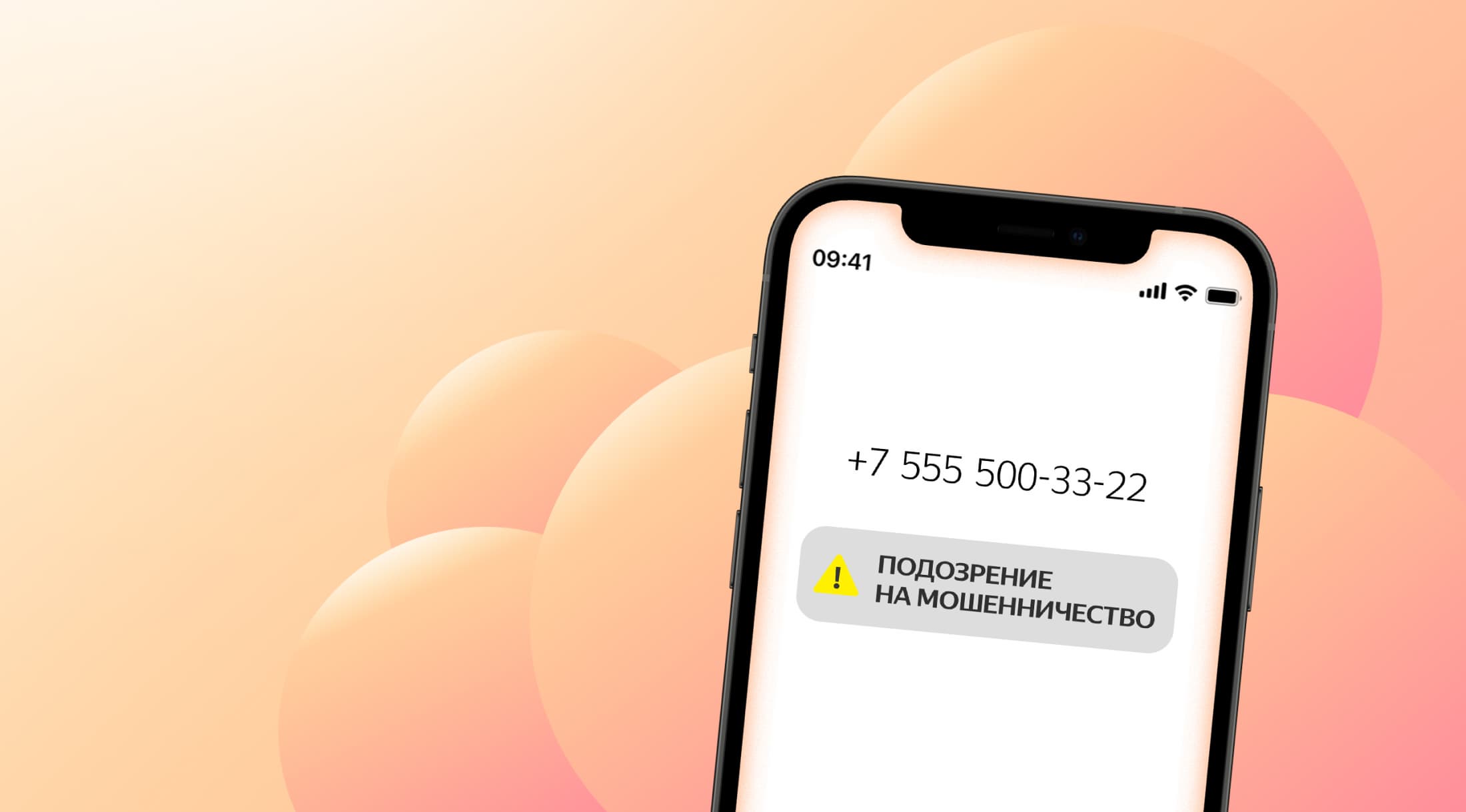
The number of unwanted calls from banks and fraudsters posing as bank employees grew particularly noticeably (by 25%). There were 21% more calls with offers of insurance services, and the number of calls with "surveys" to assess the quality of service increased by 17.5%.
The following fraudulent schemes were most common:
- Extension of the contract with the telecom operator - 44% of the total number of fraudulent calls. Attackers pose as employees of the operator and report the alleged expiration of the agreement. Fraudsters convince their victim to "extend the document" and report the code from the SMS.
- Two-stage pressure on the user - 20% of cases. The first call makes it clear to the user that he is talking to a fraudster. After that, a second call comes, allegedly from a bank representative, who offers to secure accounts after a call from a fraudster.
- Promise to issue or increase benefits, increase the amount of pension or recalculate payments taking into account previously missed seniority or data - 16% of the total number of fraudulent calls.
- Offer to unlock an account allegedly blocked due to suspicious activity, for example, in "Gosuslugi" or a bank. This scheme accounts for 11% of calls.
- Delivery of a letter from a post office or delivery service. Fraudsters used this scenario the least often (in 5% of cases). Fraudsters reported an allegedly received registered letter, for the delivery of which it is necessary to name the code from the SMS.
Earlier, cybersecurity experts explained whyyou should not talk via video calls with strangers. It turned out that attackers can gain access to videos and voices of Russians, process them using a neural network and pass biometric identification in the bank.
Read materials on the topic:
Spies and steals data: the new malicious program Zagrebator discovered in Russia