A test system for assessing the toxicity of cell therapy drugs has been created at Kazan Federal University (KFU). This was reported by the press service of the Ministry of Education and Science of the Russian Federation.
The new development will reduce the cost of preclinical and clinical studies of CAR-T drugs (intended for the treatment of oncological diseases) and increase their safety.
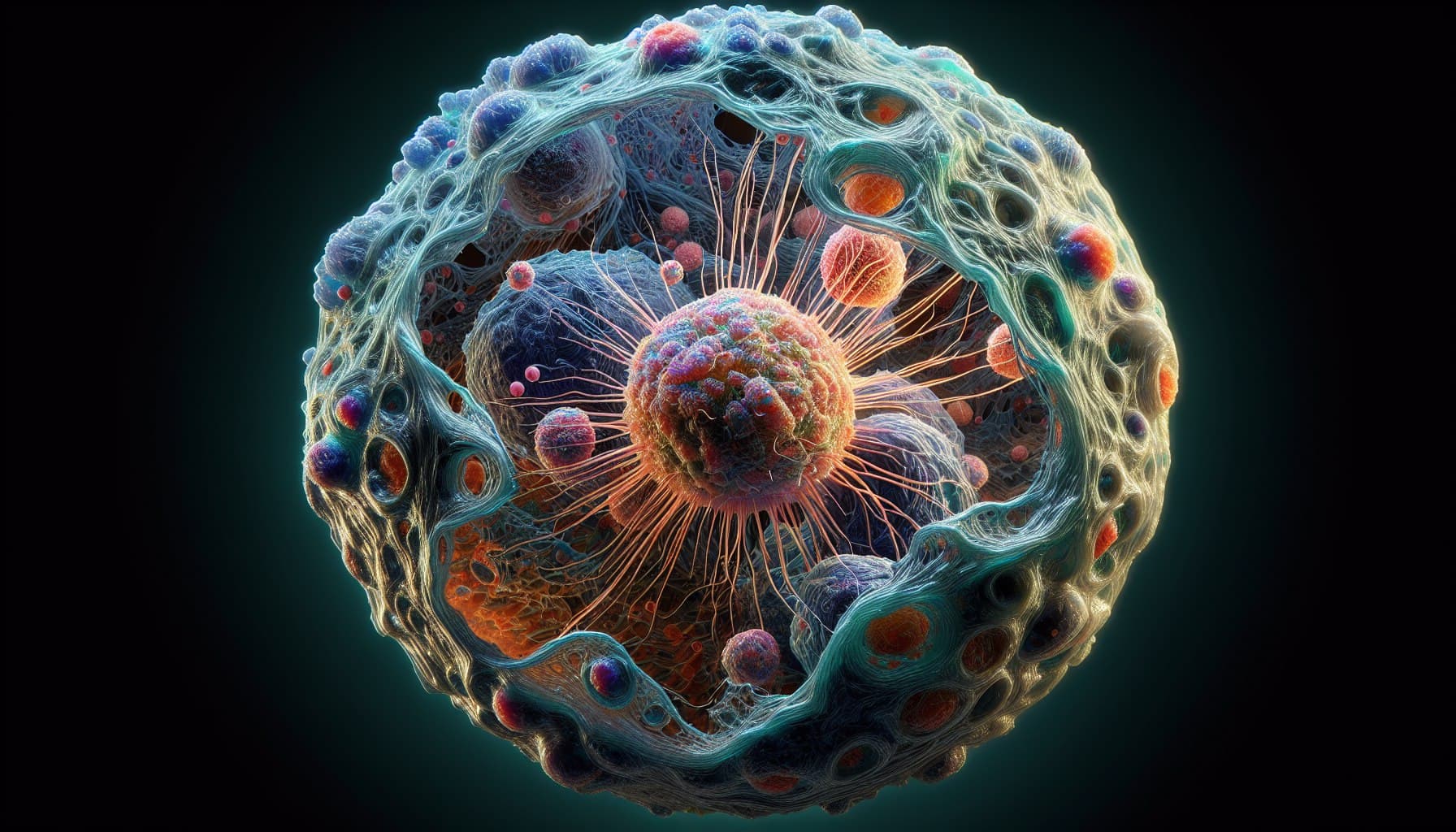
KFU scientists suggested that cellular systems consisting of several types of cells have great potential as models for assessing toxicity. The study participants presented evidence that multicomponent tumor-stromal spheroids (CSS) can serve as an effective model for studying CAR-T mediated toxicity.
It is worth noting that in most preclinical studies, cultures of tumor cells are used as target cells for CAR-T cells. But toxicity is formed as a result of interaction with other patient cells (stromal, endothelial and immune). This leads to the fact that assessing toxicity based on a culture of one type of cell becomes impossible.
After that, studies are carried out on laboratory mice, but the immunology of humans and mice differs significantly. As a result, we receive the main data on drug toxicity only during clinical trials.
Earlier www1.ru reported that scientists from the Tomsk National Research Medical Center, using spatial transcriptomics, researched tongue cancer.
Read materials on the topic:
Cancer defeated?: A revolutionary vaccine against all types of cancer has been developed in Russia
Scientists from Saratov have come up with a way to treat brain cancer in a dream











