Petrozavodsk State University (PetrSU) has developed a unique bionic suit for monitoring human vital signs in northern conditions and creating digital assistants. This was reported by the press service of the project "Engineering and Innovation in Russia" of the Project Management Center in Industry.
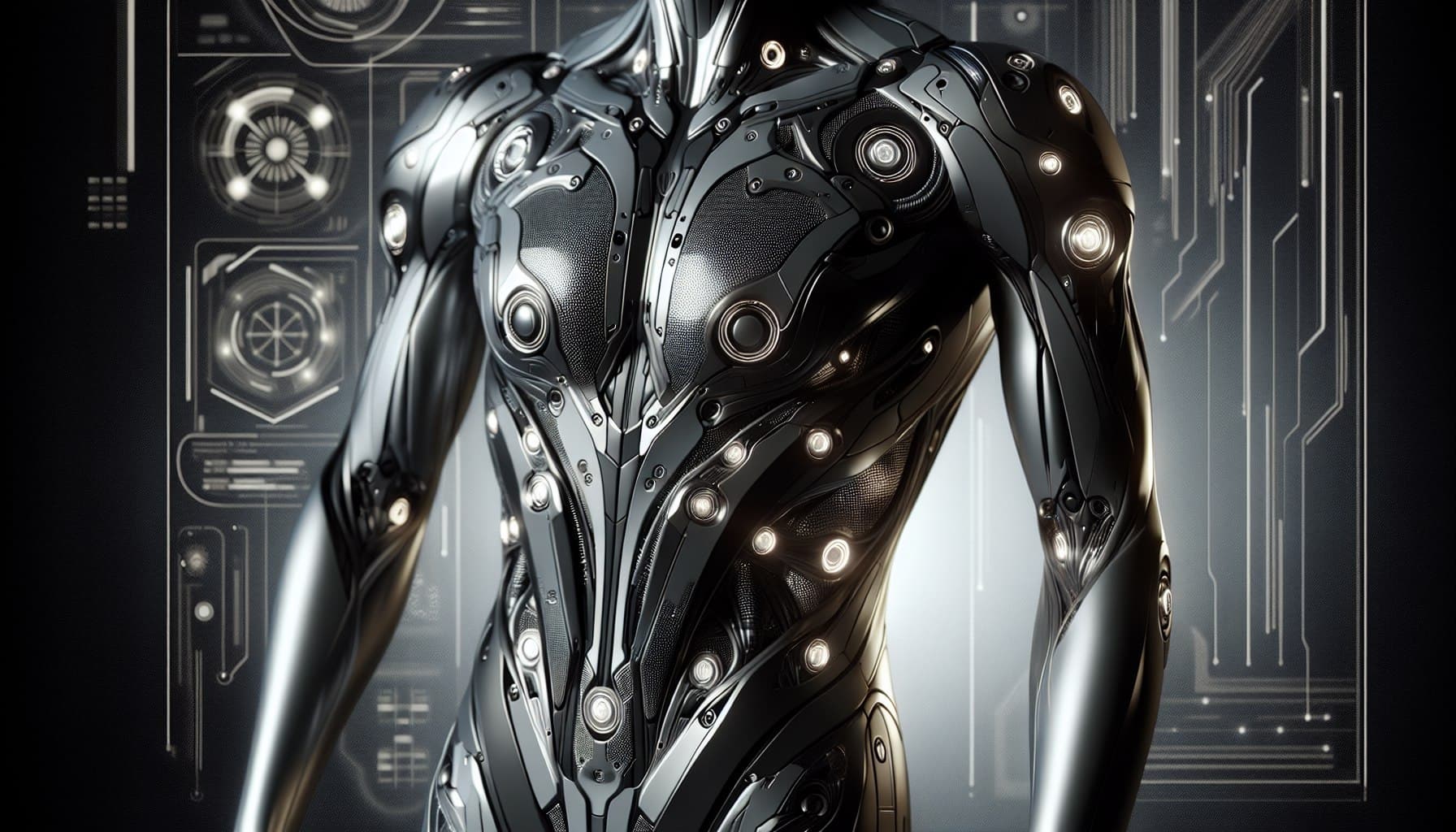
The bionic suit implements effective interaction of a person with objects that reflect the properties of resilience. The conceptual model is focused on the development of various digital assistants, each capable of providing various types of support for human resilience: resistance of mental health to stress and other negative external factors, adaptation to working and living conditions, resistance to fatigue, motivation to maintain health in the northern territories.
The new development provides automation and digitalization of human condition monitoring (tracks movements, information perception and the functioning of the body as a whole). Bionic Internet technologies and artificial intelligence technologies have minimized the work of the operator in the data collection process. This increases the efficiency and accuracy of the analysis.
As a hardware part, commercially available solutions are used - sensory, computing and network equipment. For the use of hardware that is not yet available, simulation methods are used.
Experts have already begun to implement the data obtained in a pilot format.
Earlier www1.ru reported that in Russia started mass production of camouflage clothing for the military.
Read materials on the topic:
Precise grip: PNIPU scientists have made their bionic hand prostheses more accurate
Perm scientists have developed prostheses that can "grow" with the child
Scientists from Perm will improve the operation of bionic prostheses