Russian farmers began to buy less agricultural machinery in 2024. Of the eleven most popular types of machinery for farmers, only tractors are still being bought steadily. In the first half of 2024, their sales fell by only 1% compared to the same period in 2023. The situation is worse in other categories: there is a drop in demand of up to 62%.
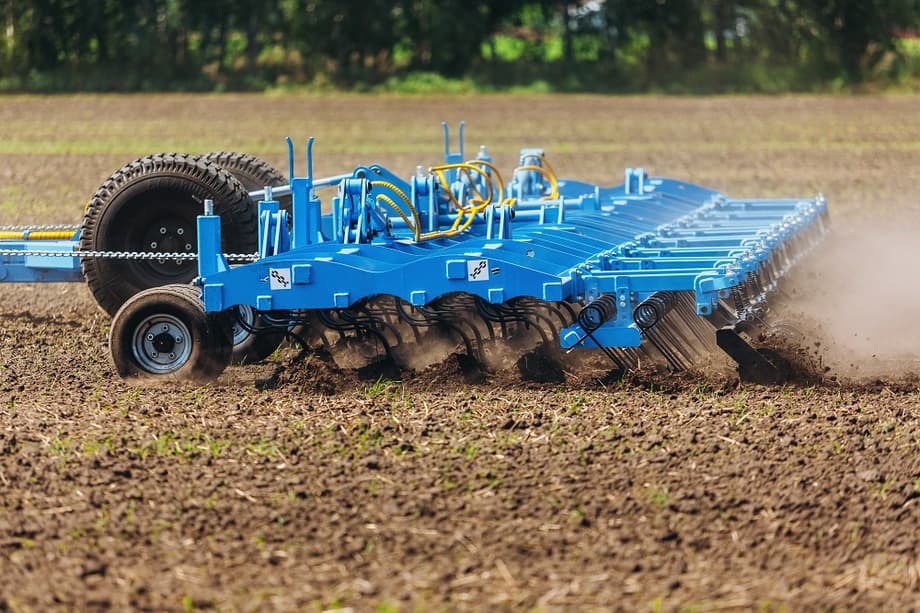
This is according to the Kommersant newspaper, which collected statistical information from Rosspetsmash and enterprises producing agricultural machinery in Russia. It is most difficult now for manufacturers of fertilizer spreaders, forage harvesters, and plows. Their products are manufactured, but are idle in warehouses. This is the first time in recent years.
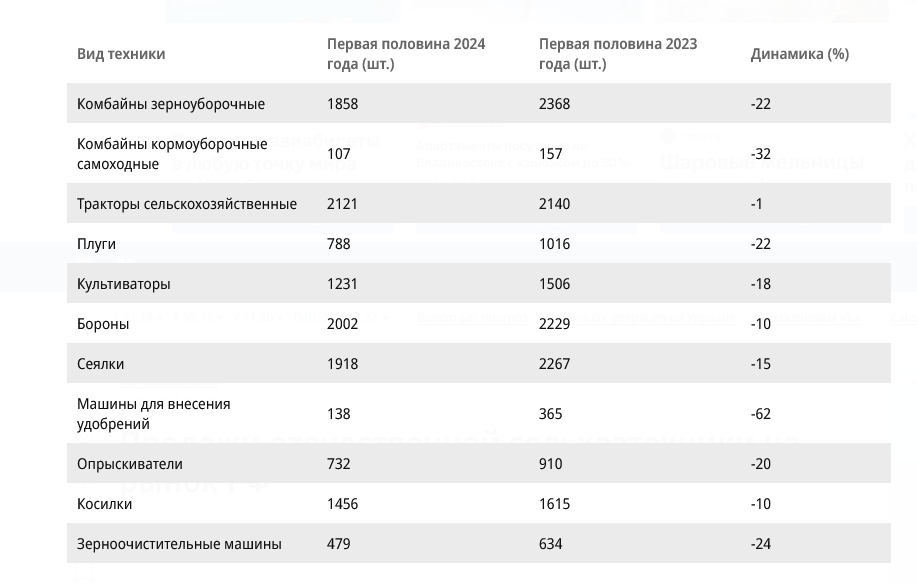
According to Rosspetsmash, sales of agricultural machinery in Russia decreased by 10% to 107 billion rubles in the first two quarters of 2024. There are several main reasons for this phenomenon, including, according to Denis Maksimkin, Deputy Director of Rosspetsmash:
- "a colossal impact" of the high key rate of the Central Bank. For example, under the preferential program of the Ministry of Agriculture, the rate has increased from 5% to 10% this year;
- low profitability of agricultural enterprises does not allow demand to increase. Currently, the Ministry of Agriculture has increased the base price for wheat for calculating export duties to 18 thousand rubles at the end of June, but in order for the profitability of farmers to begin to grow, the base price must be at least 24 thousand rubles per ton.
Also, farmers in a conversation with representatives of another Russian publication, the industry magazine Agroinvestor, highlighted other, no less important, reasons for the low demand for machinery in 2024. These are:
- a drop in income due to the loss of part of the harvest as a result of floods and other adverse weather conditions;
- low availability of borrowed funds for the purchase of machinery;
- an increase in the cost of the recycling fee and logistics;
- the inconsistency of domestic agricultural machinery with the required level of quality and needs. For example, it may have insufficient protection against stones or performance parameters and operating conditions that are not suitable for import substitution.
Earlier in 2024, it became known about the intention of the Ministry of Industry and Trade toincrease the recycling fee for agricultural machinery of foreign production by 5-10 times. Then experts noted that this measure could cause an increase in food prices and become another blow to farmers.
Read materials on the topic:
For the first time in 52 years, a full-cycle tractor plant was launched in Russia
New hop harvester passed successful factory tests in Chuvashia
Titan grain harvesting unmanned harvesters began to be produced in the Tambov region
Now on home

The platform increased user traffic and expanded its infrastructure

The domestic company announced a D-class model in its plans for 2026

Comprehensive training of the crew of the MRK Project 1234.1 included the destruction of high-speed small-sized targets against the background of modern challenges of naval warfare
The shift norm now covers the assembly of nine engines instead of seven

Rocket launch postponed - it was planned for 2030

Key innovative solution - the use of a modular block architecture

The train will not become a mass product in Russia

Now the rockets will be fully assembled in Omsk
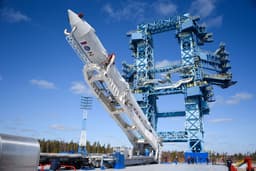
The first launch of the rocket will take place no earlier than 2035

Testing of the key component of the traction transformer will begin in April 2026
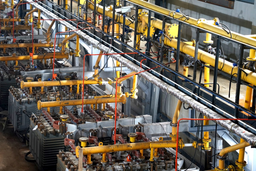
New fluorine production capabilities eliminate technological risks in the uranium transformation stage before enrichment in centrifuges
Articles
-
Russian An-124 "Ruslan" Stuck in Canada for 4 Years and Accrues Millions in Fines
26 Jan 2026
-
Coaxial Propellers: How Counter-Rotation Increases Turboprop Engine Efficiency
25 Jan 2026
-
Kazan Aviation Plant Breaks Old System: Tu-214 to be Assembled Like Cars
25 Jan 2026
-
How Engineers and Technicians Are Paid Today in the Russian Aviation Industry: An Overview with Figures
24 Jan 2026