The Russian military traditionally uses 152 mm artillery, as opposed to the 155 mm standard adopted by NATO. Opponents of 155 mm ammunition often argue that the transition to this standard would be too long and expensive, but this is not entirely true, according to the Telegram channel @milinfolive.
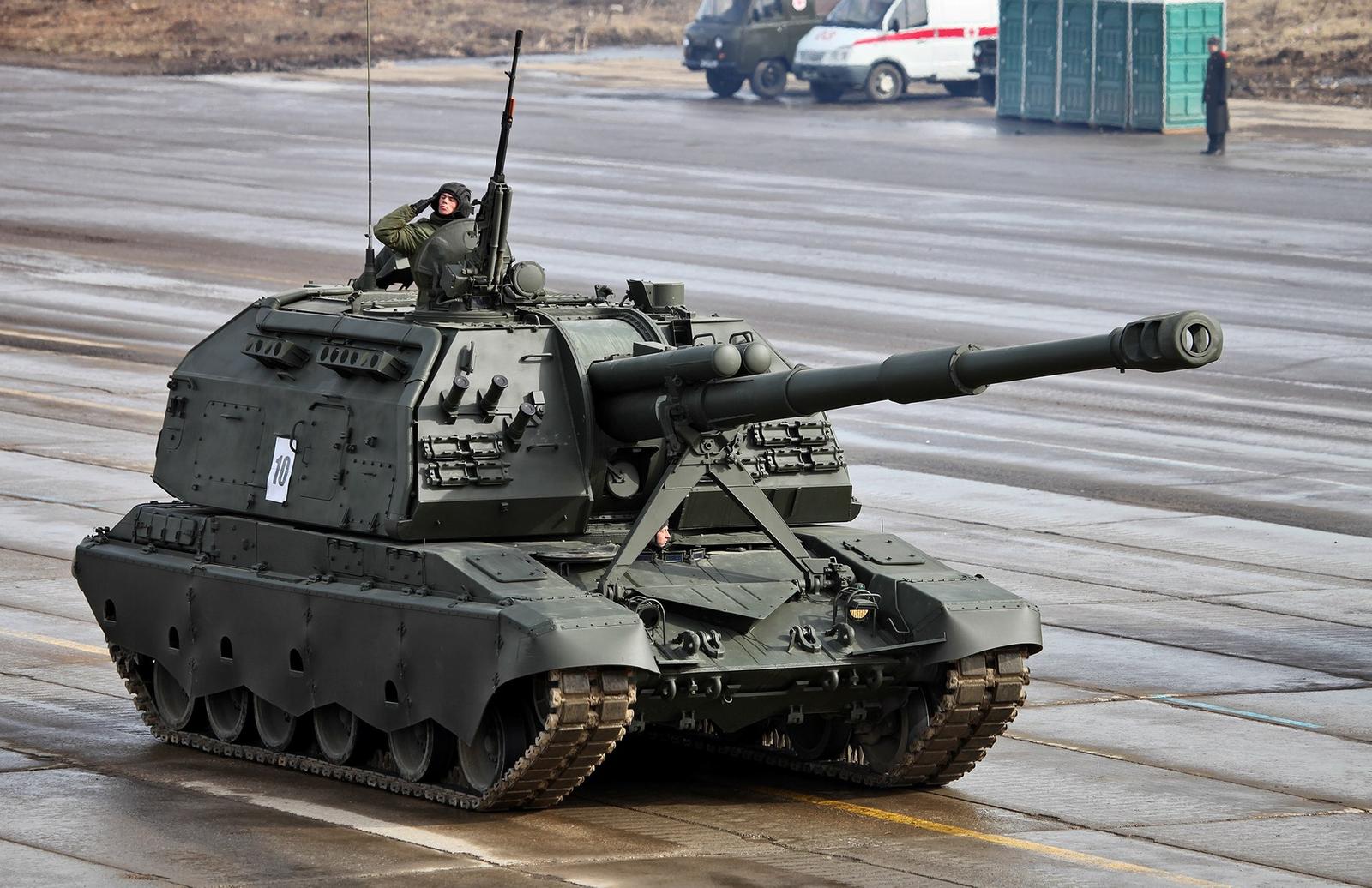
The domestic military-industrial complex has experience in implementing various 155 mm ammunition projects. In the past, NTC "Ametech" made attempts to develop 155 mm projects based on guided artillery projectiles (UAS) "Centimeter-M".
The authors of the channel recalled that a very successful example of adapting 155 mm shells was the adaptation of the Krasnopol guided weapon KM-1 "Krasnopol" and the 155 mm guided weapon system KM-1M "Krasnopol-M2".
Calculations show that the long-discussed "Krasnopol-D" with increased range, which from the usual 152-mm "Msta" is capable of reaching 43 km, in the 155-mm version when firing from the long-created "Msta-S" should freely work at ranges exceeding 50-55 km.
According to them, the experience of enterprises that offer both conventional shells of the Soviet 152 mm standard and the NATO 155 mm standard in their catalogs shows that there are no particular problems with reconfiguring equipment. Especially when it comes to lines built on conventional modern CNC metalworking equipment.
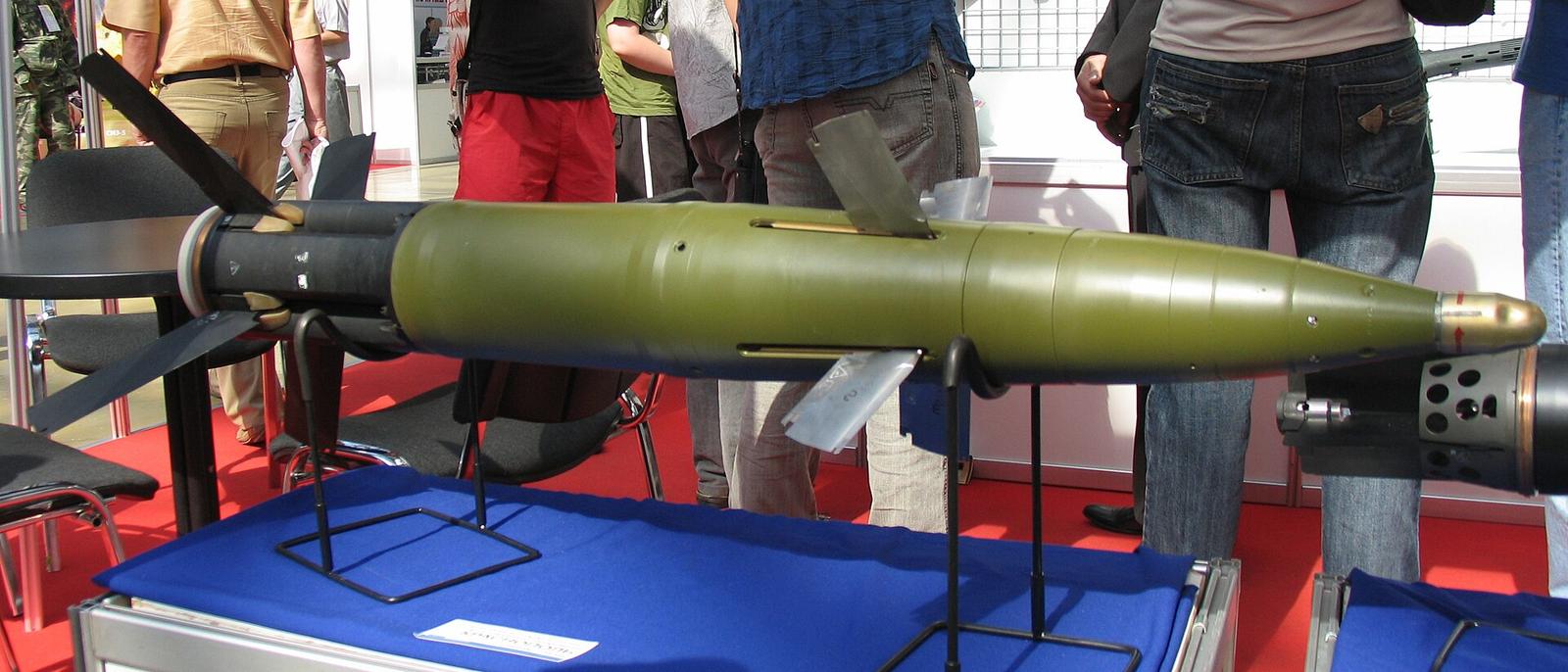
Experts clarified that modern equipment makes it possible to easily copy not only the oldest and simplest models of 155 mm shells, but also to produce long-range shells with a base cavity and a tapered tail section.
Earlier www1.ru reported that the Russian military came up with a new type of ammunition for dropping from an FPV drone. The range of these munitions is made in 2 and 3 kg modifications with a significant fragmentation field and a more powerful high-explosive effect than the standard VOG-17 munitions.
Read related materials:
Strength and power: Russian MiG-29K fighters will be able to carry Kh-59MK2 and Kh-38MTE missiles
Return of the "Molniya": the missile boat "Stupinets" will join the Caspian Flotilla
Never miss our newsAdd this site to your preferred sources to see us more oftenAdd on Google

















