Specialists from the St. Petersburg State Electrotechnical University "LETI" have created antennas for digital devices within the "Internet of Things." The communication systems are entirely based on domestic component base and will help ensure import substitution in this important area.

We have developed a number of prototypes of holographic antennas W-band 75-100 GHz, which are intended to be used in the future in multi-subscriber systems, for example, in "Internet of Things" applications. From existing analogues, our devices are distinguished by the use of inexpensive technologies production, as well as a component base available in Russia.
Lyubina recalled that for the operation of elements within a large Internet of Things system requires mass production of communication equipment. However, domestic manufacturers have all this time remained dependent on foreign devices, which created risks for the operation of critical systems. In this regard, a group of engineers within the "LETI" program "Priority 2030" created and tested domestic antennas.
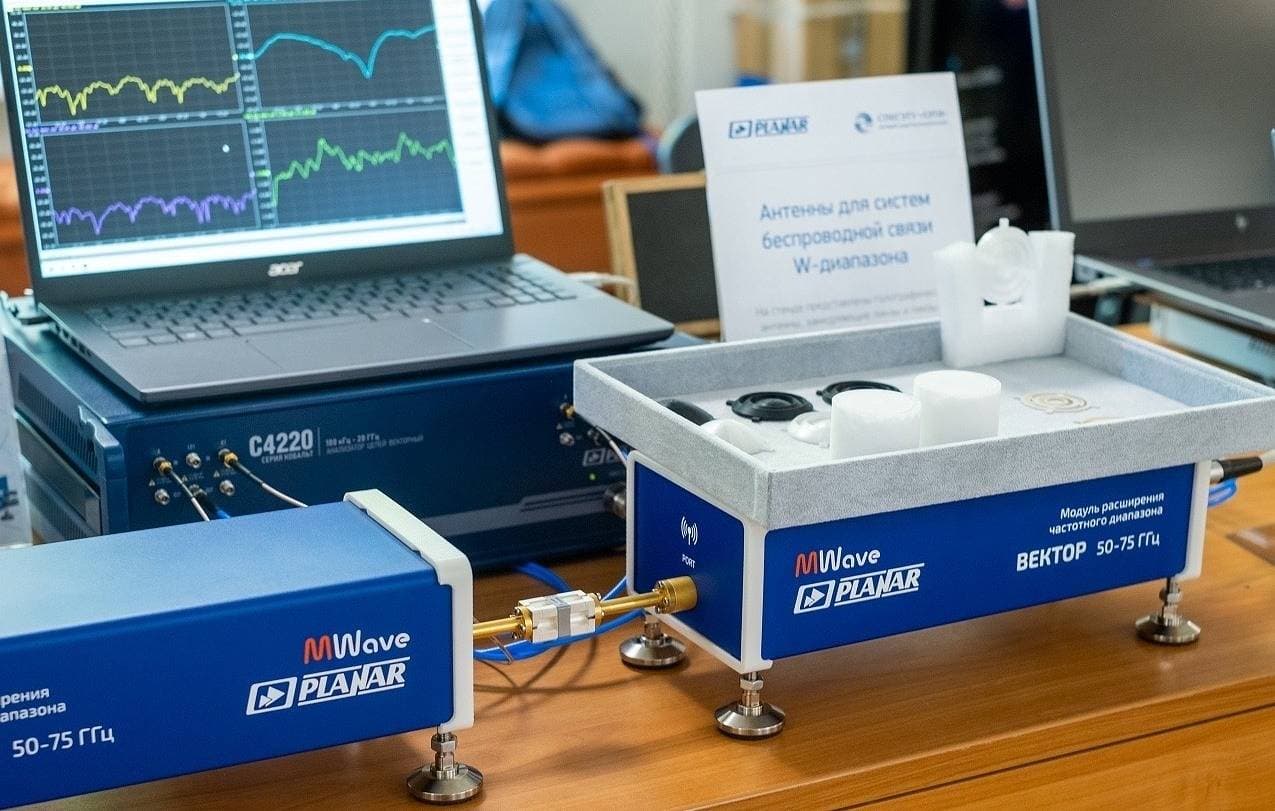
Compared to analogues, the LETI development is more technological, and the algorithms used are based on methods of synthesis of holographic metal-dielectric structures.
Earlier www1.ru reported that the Ministry of Digital Development proposed to collect more information about Russians for security officials from websites. Law enforcement officers will have the opportunity to more accurately determine which user posted, sent, and published.
Read materials on the topic:
It became known when Russia will launch the first "IoT Marathons" for the Internet of Things
High-speed Internet will appear in all villages of the LPR with a population of 100 people or more