A group of students from the Moscow Polytechnic University has created a virtual robot guide. With the help of the AR application (Augmented reality), you can conduct excursions for young visitors to museums and exhibitions. This was reported by the press service of the university.
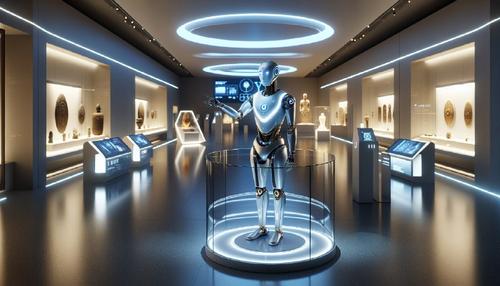
The mobile application displays an interactive 3D image of a robot guide, who tells young visitors about the exhibits.
Users can study the objects of interest to them in any order, scanning QR codes and receiving information in text, audio and video formats.
The project has passed the testing stage. The developers plan to develop the functionality of the AR application, add personal accounts for museum employees, and adapt the digital product for other exhibition venues.
Earlier www1.ru reported that the Stable Diffusion neural network will restore Dionysius' frescoes in the Nativity of the Virgin Cathedral in the Vologda region.
Read materials on the topic:
Assistant for children with disabilities: a unique robot is being developed in Stavropol
The Ardi android robot developed in Perm delighted visitors to the exhibition at VDNKh: video
Control with VR helmet and exoskeleton: a unique robot centaur presented
Never miss our newsAdd this site to your preferred sources to see us more oftenAdd on Google

















