The "Vostok" battalion has received a batch of the latest kamikaze drones (loitering munitions) "Scalpel". According to the commander of the battalion, Alexander Khodakovsky, this product is considered an analogue of the "Lancet" drone. The drones are close in their technical characteristics and design, the military man emphasized. However, in some cases the "Lancet" will be useful, in others - the more load-lifting "Scalpel".
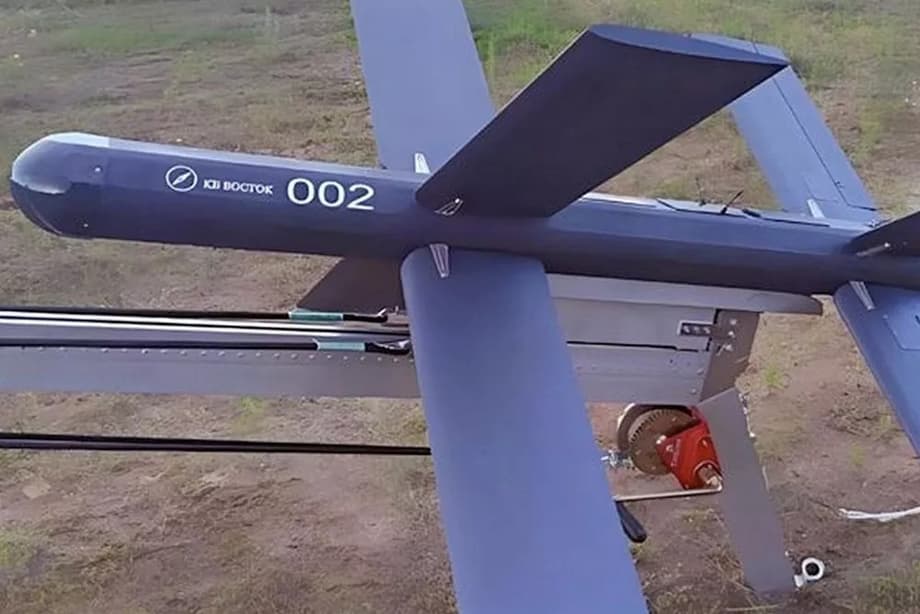
Specialists of the Ryazan Design Bureau "Vostok" used a design in the "Scalpel" kamikaze drone, which is used in the "Lancet" strike drone (Kalashnikov concern). Thanks to this architecture, the stability of the drone's flight is ensured even during sharp maneuvers.
At the same time, the main difference between the "Scalpel" is its modularity - the drone is easily adapted to different tasks. Russian military personnel place explosives in the internal compartment of the fuselage. They can also use any ammunition of suitable mass.
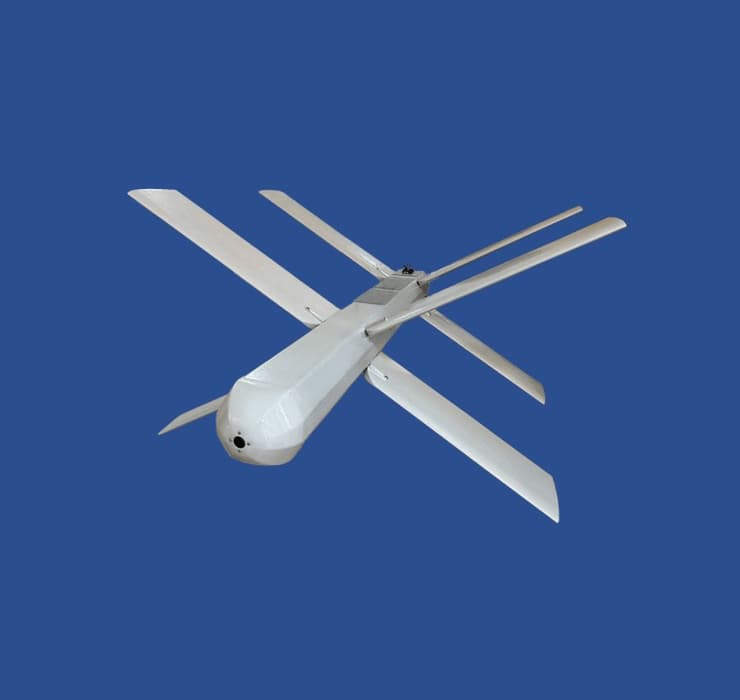
It is noted that the Ryazan engineers increased the combat load of the "Scalpel" to 5 kg, and the flight range - up to 40 km. The loitering munition is launched by a catapult and is capable of speeds up to 120 km/h.
In addition, it is able to stay in the air for a long time, waiting for a command from the operator. The "Scalpel" is perfect for destroying American M-777 howitzers and the HIMARS multiple launch rocket system.
Earlier it was reported that the "Vostok" Design Bureauare working on a new "flying wing" type drone.
Now on home

Start of deliveries scheduled for 2027

Over 51,000 new motorcycles were sold in Russia in 2025

The car will take at least a year to assemble

The application's audience has reached 20 million users

The model will be included in the list of cars for taxis, price - from 2.25 million rubles

All parking lots of the "Administrator of the Moscow Parking Space" are connected to the service

The cars will be supplied to the Moscow Transport Service Directorate
Deliveries to India may begin in 2028
The technology provides automated search for all types of defects in power units
The plane flew 500 km, accelerating to 425 km/h

The plant stated that the information about the termination of purchases for models 6 and 8 is not true

Scientists are using the "Ekran-M" installation
Articles
-
Russian An-124 "Ruslan" Stuck in Canada for 4 Years and Accrues Millions in Fines
26 Jan 2026
-
Coaxial Propellers: How Counter-Rotation Increases Turboprop Engine Efficiency
25 Jan 2026
-
Kazan Aviation Plant Breaks Old System: Tu-214 to be Assembled Like Cars
25 Jan 2026
-
How Engineers and Technicians Are Paid Today in the Russian Aviation Industry: An Overview with Figures
24 Jan 2026