Translated with AI from the Russian original.
October 21, 1966, marked the first flight of the Yak-40, which became a pioneer among turbojet passenger aircraft intended for local airlines. Experienced test pilots A. L. Kolosov and Yu. V. Petrov were at the controls. The Yak-40 is the first Soviet aircraft to receive an airworthiness certificate in Europe and the USA.
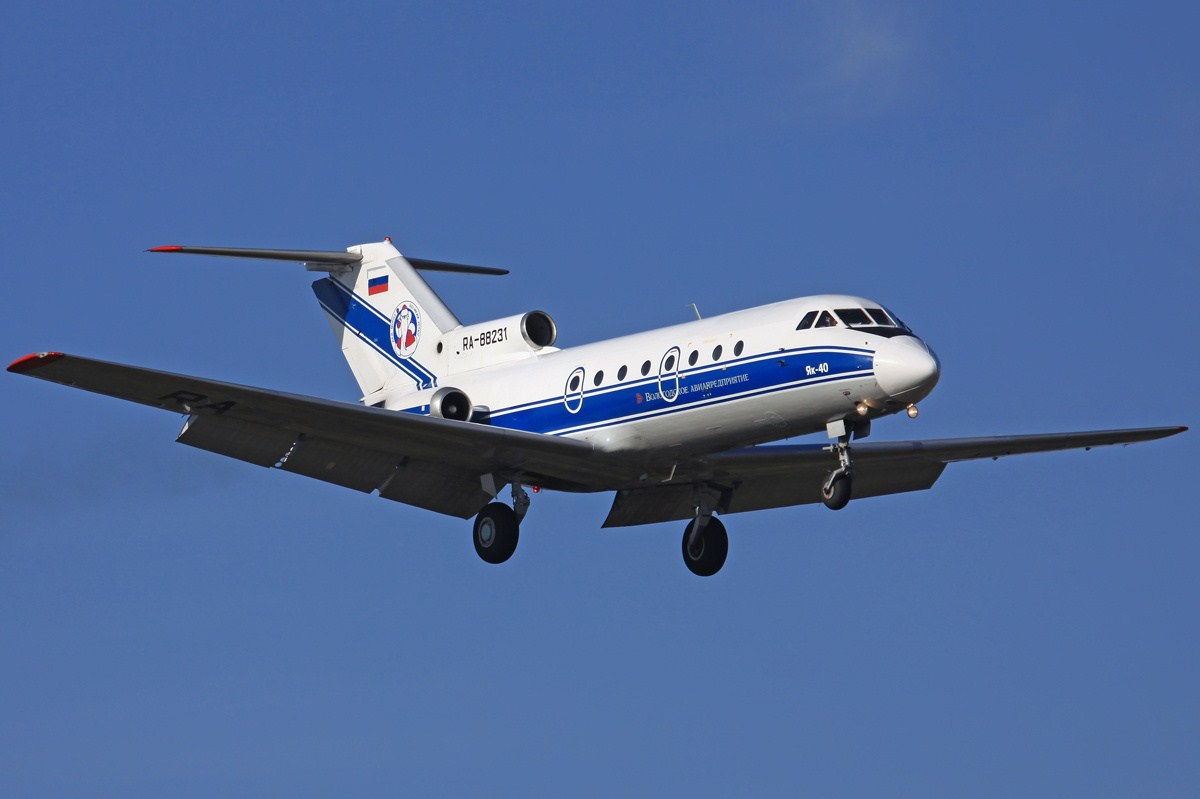
In the sixties of the twentieth century, regional flights of short length were mainly served by Il-12, Il-14 and Li-2 aircraft, which was considered a licensed copy of the American DC-3. All of them used outdated turboprop engines. In this regard, the Council of Ministers of the USSR decided to create a new aircraft designed to replace obsolete models. Responsibility for the development was assigned to the Yakovlev Design Bureau, for which the Yak-40 became the first project focused on multi-seat passenger transportation.
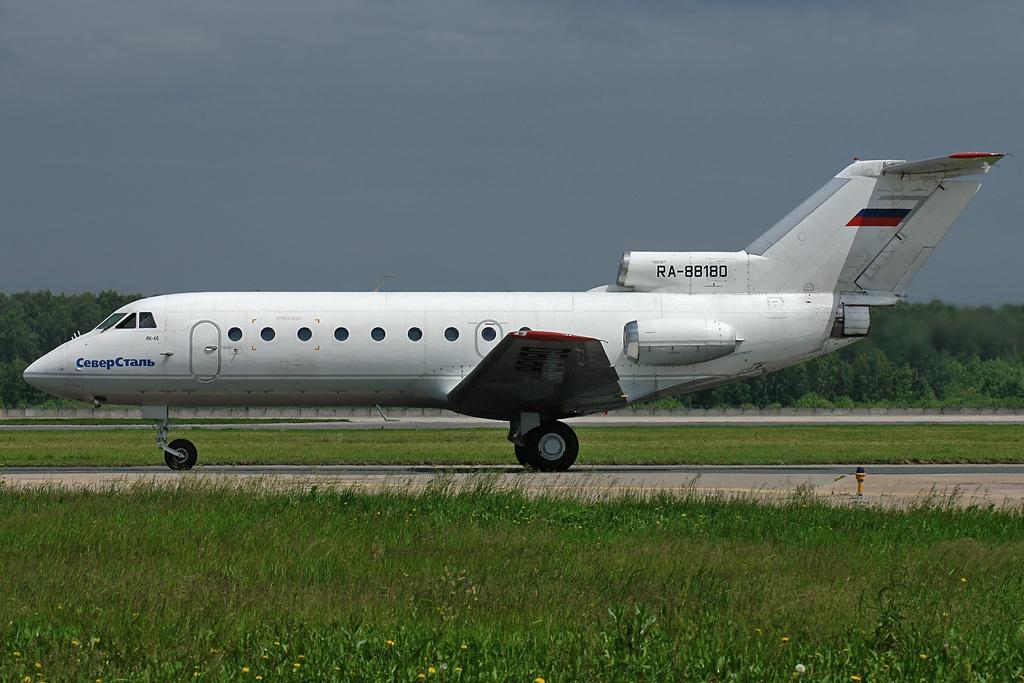
Serial production began in 1967 at the Saratov Aviation Plant. The capacity of the Yak-40 ranged from 27 to 40 passengers, the crew consisted of 4 people, and the maximum flight range with a full load reached 820 kilometers. At that time, this was a very decent indicator for aircraft of this class.
The Yakovlev Design Bureau succeeded in creating a successful airliner for regional short-haul flights. In addition, the Yak-40 was used to transport senior officials of the Soviet Union.
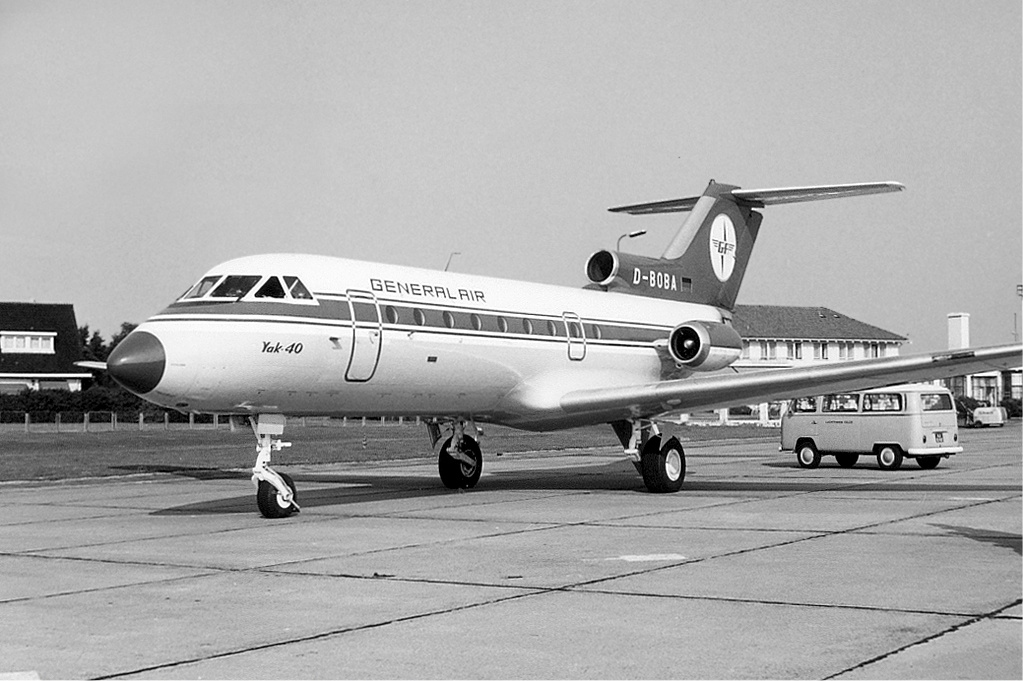
Commissioning in the civil aviation of the USSR took place on September 30, 1968, when the aircraft with the number USSR-87675 made its first regular passenger flight on the Moscow - Kostroma route. From 11 aircraft in 1968, Aeroflot increased the number of Yak-40s to 232 by 1972 and to 542 by 1975. By 1980, the Yak-40 connected 276 cities of the Soviet Union, serving 669 regular routes.
Since 1967, the aircraft has been regularly demonstrated at international exhibitions, and in 1972 it received airworthiness certificates in Italy, Germany and the USA.
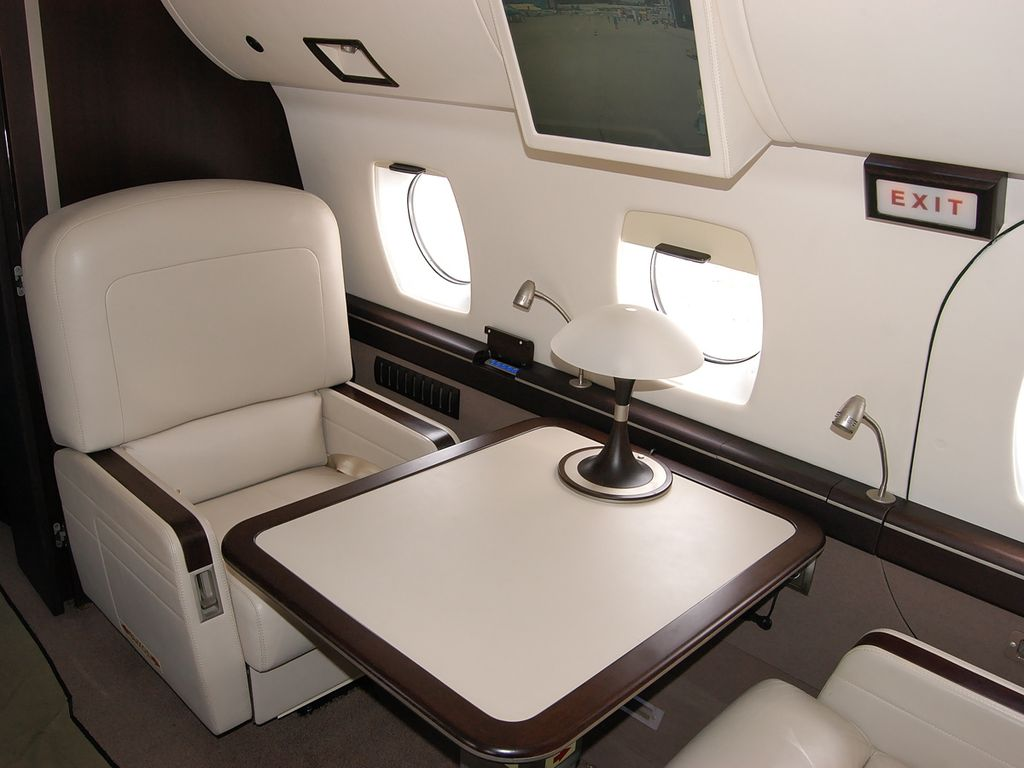
The aircraft became one of the most successful projects of the Yakovlev Design Bureau, with more than 1,000 units produced, and in the 90s, modernized versions appeared (with increased fuel tanks and a business class cabin).
The secret of success was that the Yak-40 occupied an important niche in regional transportation, which was represented by obsolete aircraft. The designers of the Yakovlev Design Bureau were able to combine short take-off and landing runs with high cruising speed. Thanks to engineering solutions, a high level of comfort was achieved, the noise level in the cabin was reduced, the landing time was reduced, and a folding ladder was used, replacing airfield ladders.
Throughout its service life, the aircraft received the nicknames: "iron butt" - for its small size and heavy smoke from the engines, and "kerosene fighter" - for its high fuel consumption.
About 50 Yak-40s are still in operation in Russia and abroad.
Technical characteristics of the Yak-40 aircraft:
- length - 20.36 m;
- wingspan - 25.0 m;
- height - 6.5 m;
- wing area - 70.0 m²;
- fuselage diameter - 2.4 m.
- maximum take-off weight - 16.1 t;
- maximum landing weight - 16.1 t;
- maximum commercial load - 2.72 t;
- empty equipped aircraft weight - 9.85 t.
- fuel capacity: 3910 liters.
- cruising speed: 510 km/h.
- flight range with maximum fuel supply - 1800 km;
- flight range with maximum commercial load (with fuel reserves) - 1350 km.
- powerplant: three AI-25 turbojet engines.
Earlier, www1.ru reported thattest pilot Roman Taskaev shared about testing the first version of the MS-21 aircraft.
Read more materials:
- Crimean enterprise "Machine Vision Systems" presented its new developments for the Russian army
- Joint braking of electric and pneumatic brakes was first introduced in Russia on the TEP-70BS diesel locomotive
- Residents of Primorye will be able to see the rare Comet Lemmon at the end of October
Never miss our newsAdd this site to your preferred sources to see us more oftenAdd on Google

















