Translated with AI from the Russian original.
Artificial intelligence is being actively introduced into all spheres of human life. One of the first has always been the military sphere, in which machine intelligence has a place to roam, and at the same time benefit. For example, the RussianLancet drone in the "Product-53" version is equipped with a self-homing system using artificial intelligence elements, the homing head of which allows it to recognize and hit targets without or with minimal operator participation.
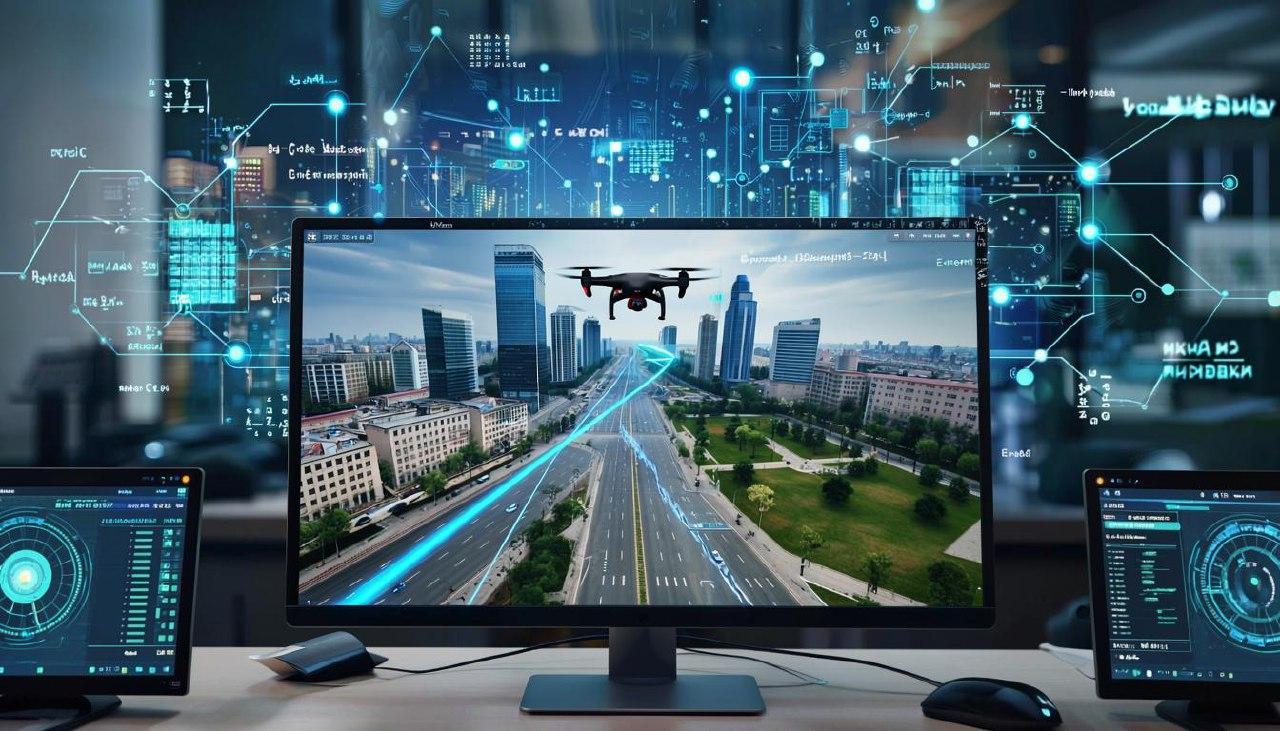
AI elements are often used in air defense and anti-missile defense systems, automatically determining the danger, prioritizing during a massive raid, and carrying out shelling in automatic mode. A person cannot always react instantly and manage to launch a missile into the "launch window" for the greatest probability of hitting the target.
Artificial intelligence takes on not only motor, but also cognitive functions - identification, tracking and prioritization of targets. Systems capable of automatically detecting and capturing objects for their subsequent neutralization are widely used, including for humanitarian purposes, reducing the risk of harm to civilians through more accurate analysis.
Russian developers have created a prototype helmet with artificial intelligence"Comrade", capable of suggesting the location of comrades and opponents, as well as analyzing the situation on the battlefield. Artificial intelligence can analyze all this data and transmit video from the drone to the helmet screen, helping the military to better navigate the surrounding environment and interact with colleagues.
TheBabai drone with an artificial intelligence system is successfully used, recognizing elements of armored vehicles and camouflage of any type and capable of hitting any target. AI determines the characteristic features of the equipment for better guidance: wheels, tracks, muzzle, tank turrets.
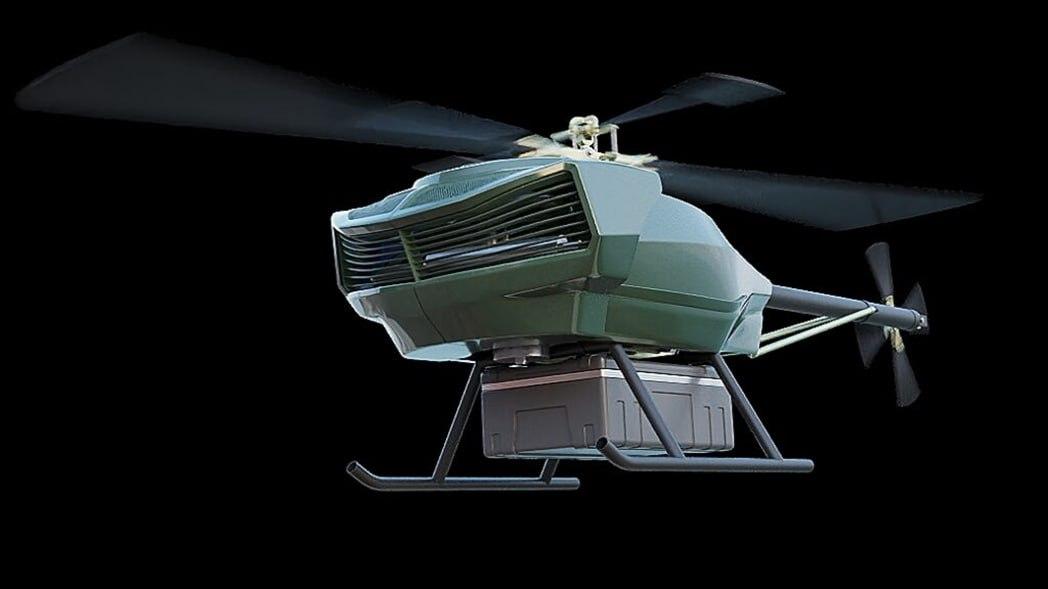
Fifth-generation fightersSu-57 are also equipped with artificial intelligence technology, which performs the functions of a second pilot. And the unmanned aerialhelicopter-type vehicle "V-120", developed by Omnitex, the key element of the control system is an autopilot, which includes a flight controller, an integrated computer and a neural processor. The platform is designed to transport small cargo by air and has complete autonomy thanks to the onboard neural processor computer, which independently controls and orients the unmanned aerial vehicle.
Preparation of documents, assessment and description of scenarios, control and management of logistics, analysis of written electronic and handwritten documents, reading maps - this is what modern language models can already do.
Machine learning algorithms are also capable of filtering information noise, highlighting relevant data, automatically classifying objects in images and videos, identifying complex patterns and correlations that are not obvious to human perception. Such technologies can significantly improve the information support of combat operations and increase the ability to predict the course of the conflict.
The future of military intelligence is in the interaction of human experience and the capabilities of artificial intelligence, where a specialist takes on strategic tasks, delegating routine information processing to algorithms.
Read more materials on the topic:
- The "Comrade" future helmet with AI was developed in Russia: it analyzes the battlefield in seconds
- The "Quadriga" quadcopter with artificial intelligence was presented by RosStroyControl
- It's no longer a meme: a new Babai kamikaze drone with advanced proxy communication has been created in Russia
Never miss our newsAdd this site to your preferred sources to see us more oftenAdd on Google

















