Translated with AI from the Russian original.
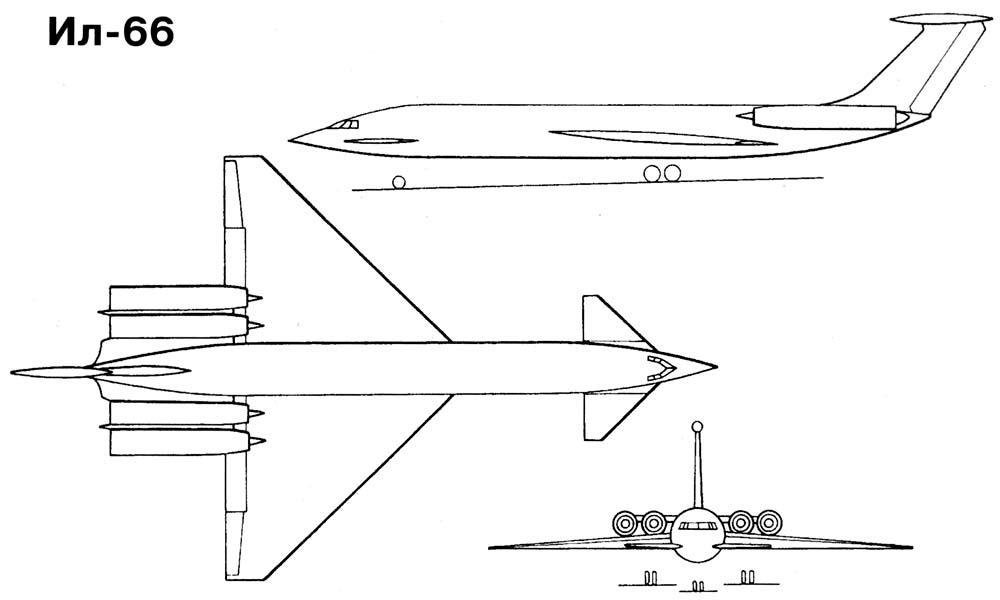
When talking about the first supersonic airliner in the USSR,everyone remembers the Tu-144. But long before it, back in the late 1950s, the Ilyushin bureau was already developing the Il-66-a passenger aircraft that aimed for the title of the first supersonic airliner not only in the USSR but in the world.
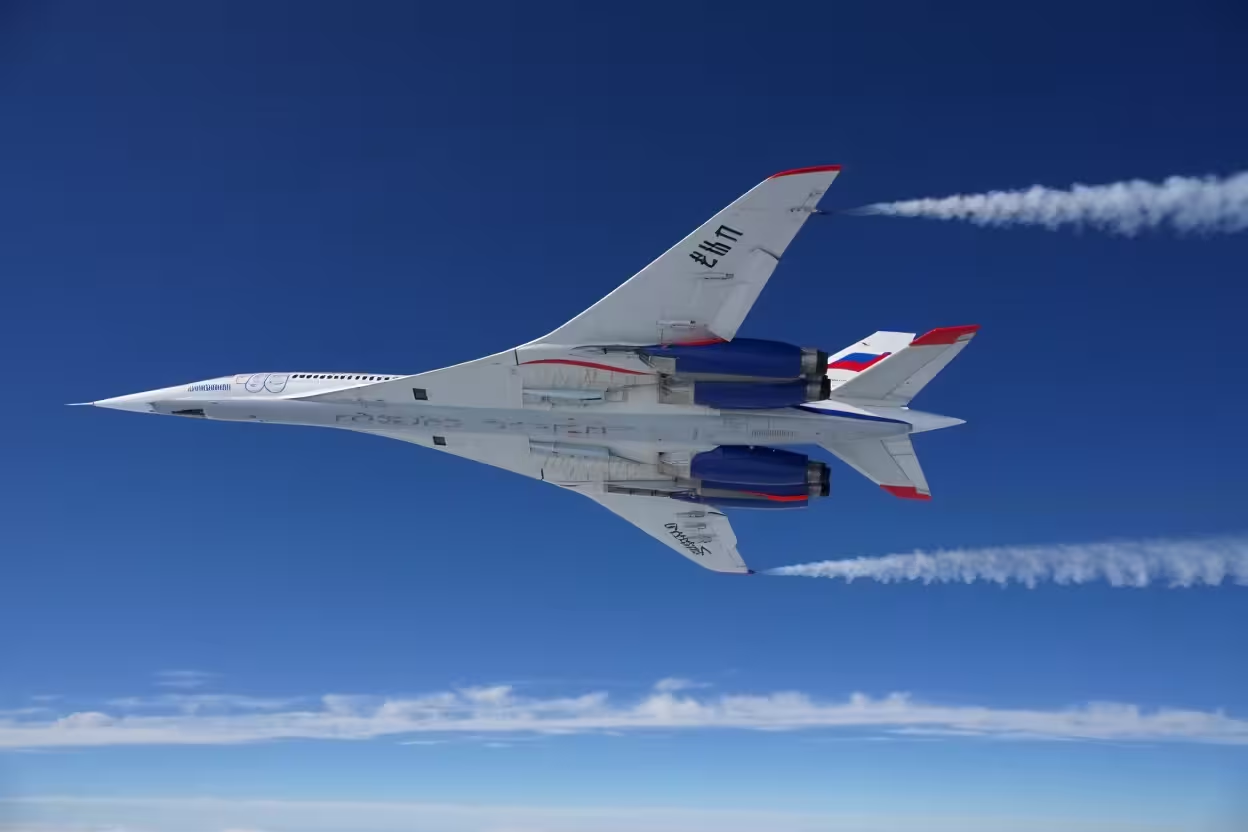
Back then, in 1959, the Il-66 project seemed more than realistic. Engineers estimated that the aircraft would be able to carry up to 100 passengers over a distance of 8,000 km at a speed of about 3,000 km/h. For the late 50s, this looked like science fiction.
Ilyushin's Ambitious Plan
In the spring of 1960, Sergei Ilyushin presented the project to the government of the USSR and stated that testing would begin as early as 1965. His bureau relied on the experience gained in creating missiles and jet airliners.
However, it soon became clear that the country's production capabilities were lagging behind the engineering ideas. The Il-66 lacked new heat-resistant materials, lightweight aluminum alloys, and, most importantly, engines that existed only on paper.
By 1962, the project had stalled in the form of engineering drawings-building the aircraft turned out to be physically impossible.
Why Tupolev Won
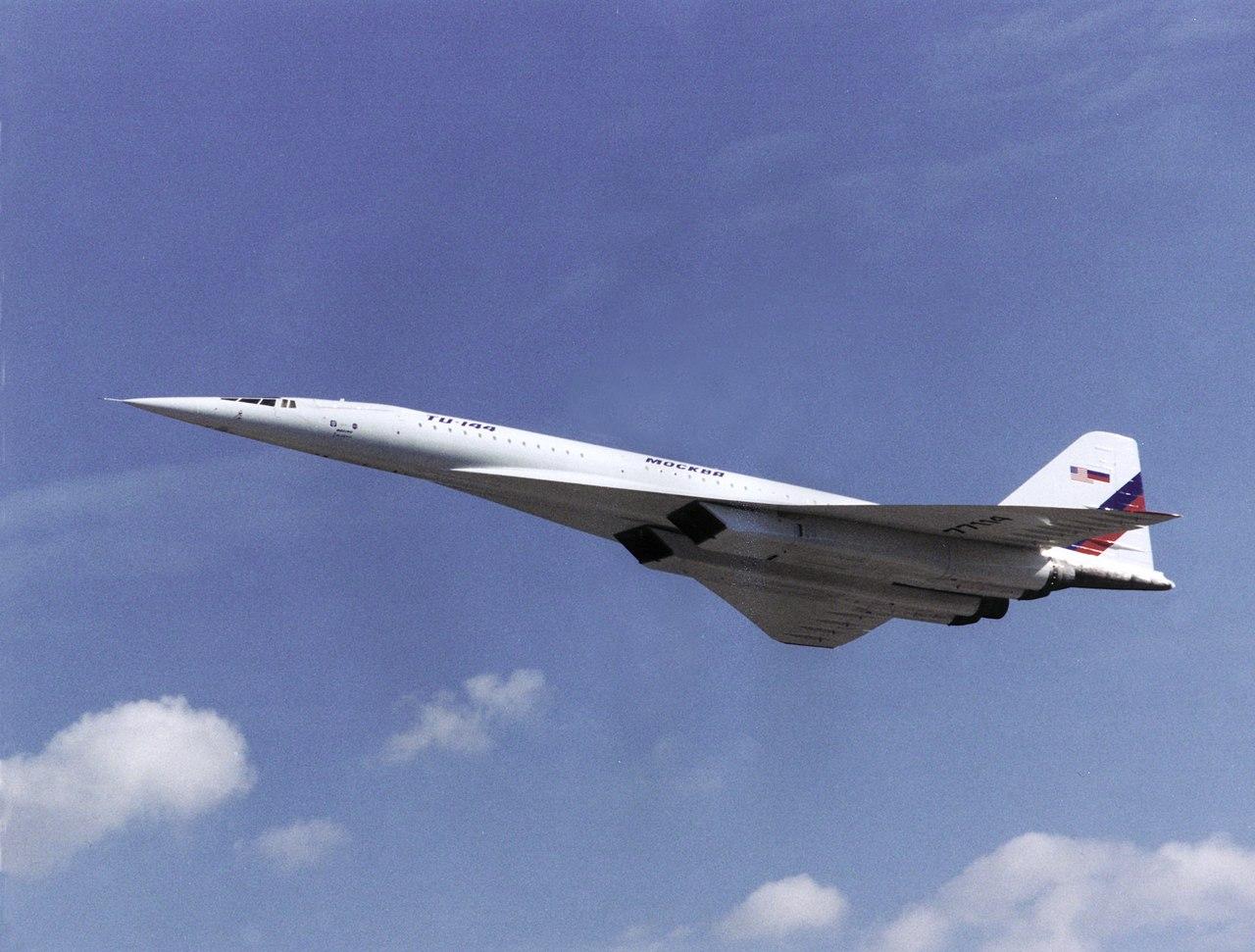
While Ilyushin was looking for solutions, Andrei Tupolev proposed a more "realistic" version of a supersonic aircraft-the future Tu-144. The project turned out to be simpler and more technologically advanced in production, which decided its fate-the Il-66 remained on the drawings, andthe Tu-144 went down in history.
Nevertheless, the ideas of the Il-66-for example, the paired arrangement of engines in the tail, later found embodiment in the Il-62.
If History Had Turned Out Differently
There was also a military version of the project-the Il-66DB, a supersonic strategic bomber that could have appeared in the mid-1970s. If it had been built, perhapsinstead of the Tu-160, "Ilyushin" supersonic aircraft would be flying in the sky today.
Earlier,www1.ru reported thatthe former vice president of the UAC explained why the PD-35 engine project was curtailed.
Read more materials:
- "Baikal" rises into the sky: the VK-800 engine will be brought to readiness in 2025
- The Ministry of Industry and Trade requested 259 billion rubles from the National Wealth Fund to finance the supply of aircraft and helicopters
Never miss our newsAdd this site to your preferred sources to see us more oftenAdd on Google

















