The remotorization of serial Superjet aircraft withFrench-Russian SaM146 engines to domestic PD-8 engines will require a lot of time and financial investment. Otherwise, the aircraft will have to be written off, and the carriers' fleet will suffer serious damage, experts in the industry explained.
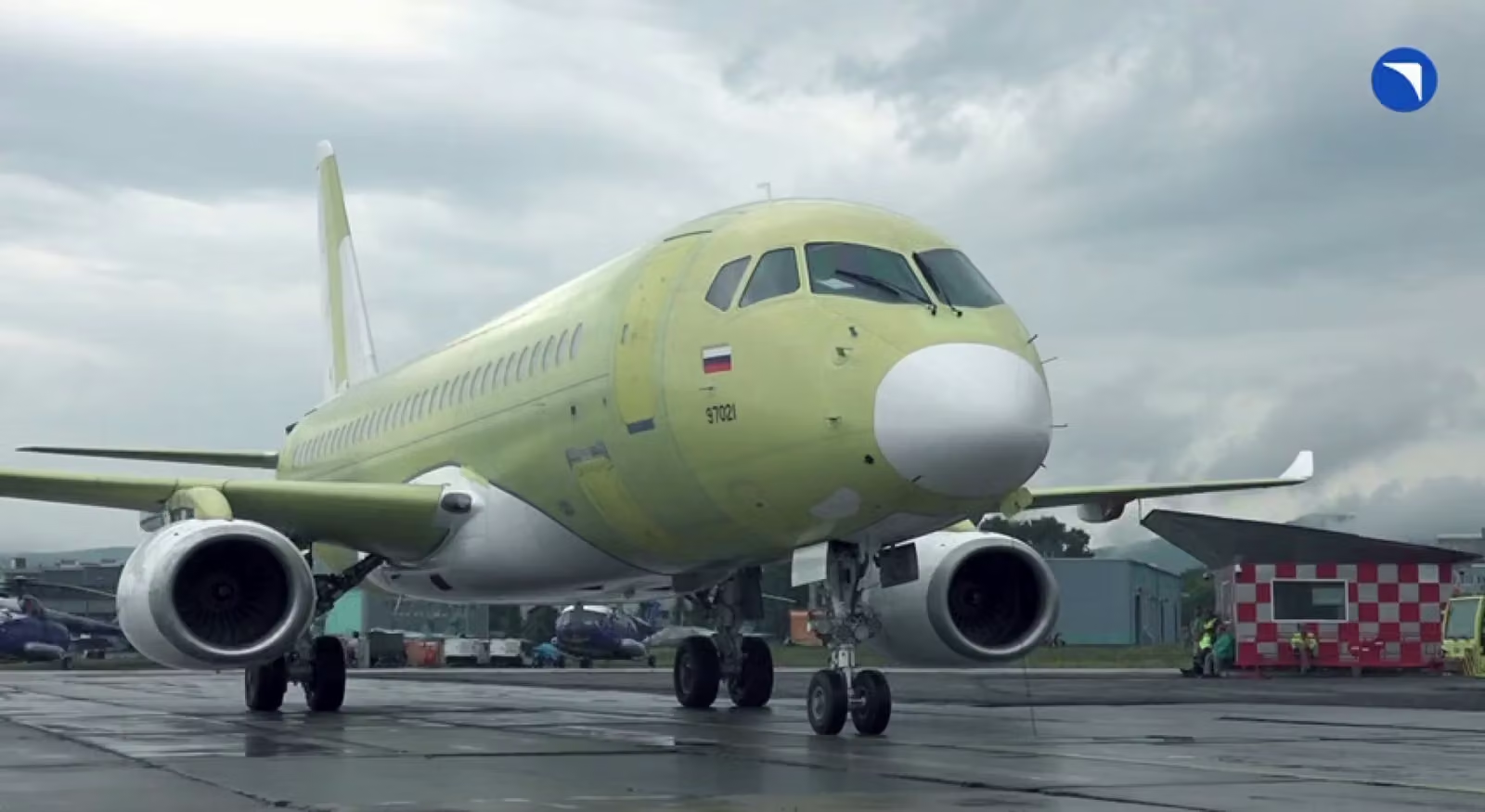
Scrap or Fly
Aviation expert Roman Gusarov clarified that this refers specifically to the Superjets that airlines operate today. In total, there are about 150 units, which is approximately 11-12% of the total fleet of Russian airlines.
Recently published data from Rosaviatsiya indicates that if the task of extending the service life of these engines is not resolved, these Superjets will have to be written off by 2030. Considering other models, Russian airlines will lose about 340 aircraft. This is already a lot, about a third of the fleet.
Gusarov noted that the question on the agenda is whether to extend the life of the SaM146 engines. Is there such a possibility, oris it necessary to carry out remotorization, that is, to replace the engines on these aircraft with domestic PD-8s?
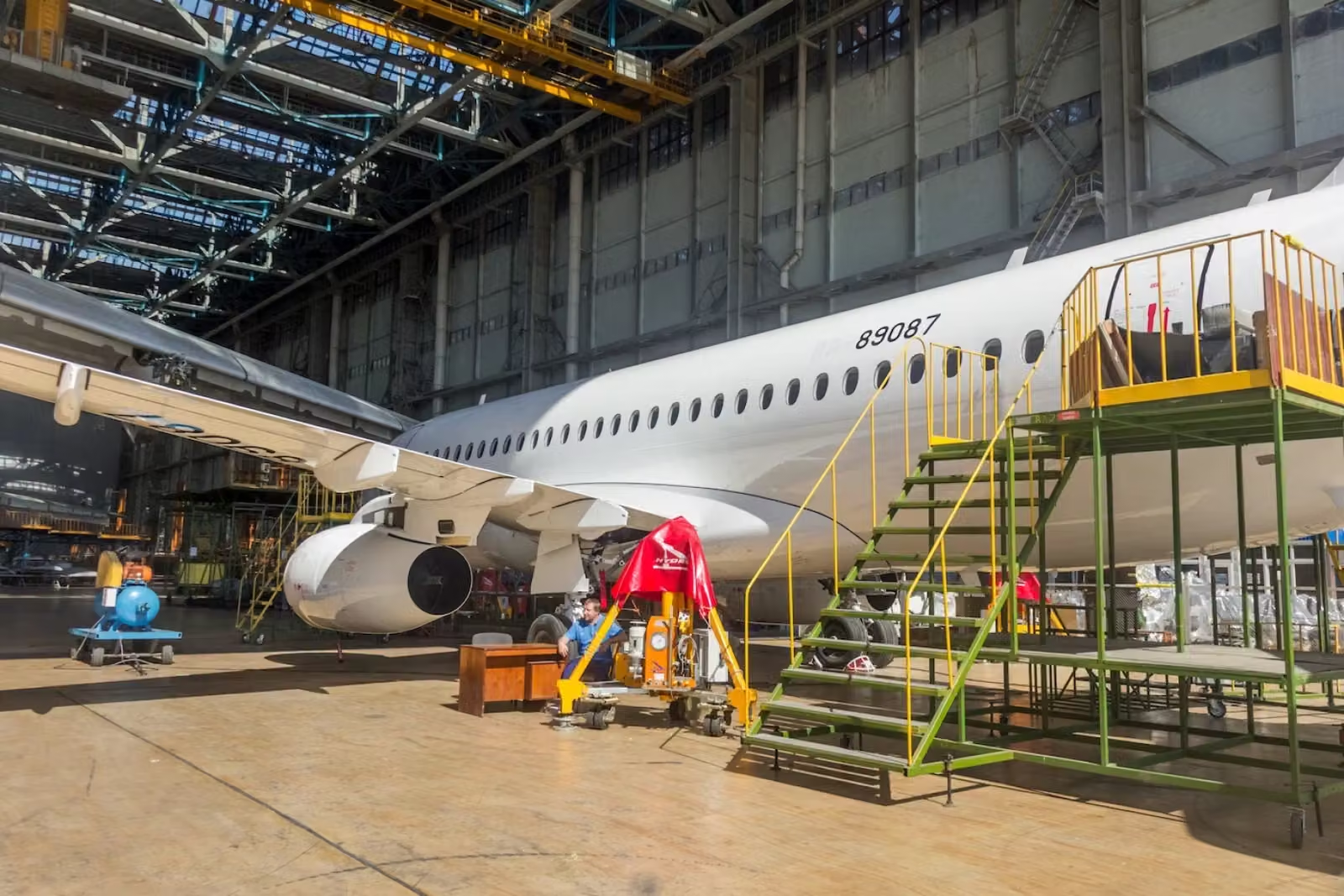
Unfortunately, the remotorization process is not so technologically simple, but most importantly, it is expensive and lengthy.
Large-Scale Tasks
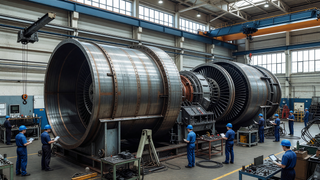
Aviation expert Vladimir Karnozov added that the tasks facing the aviation industry are very large-scale and depend on the amount of work. According to him, the time has come toinstall the new PD-8 on serial aircraft.
The first is the installation of these engines on newly manufactured Superjet aircraft. The second is the installation of these engines on new Be-200 aircraft, which are equipped with Russian-Ukrainian D-436 engines. And the third very interesting task is the replacement of Russian-French SaM146 engines, which are installed on previously manufactured Superjet aircraft.
However, the problem is not only in the engines themselves, but also in the control systems, Karnozov stated. It lies in the different weight and size characteristics of the PD-8 compared to the SaM146. For this, designers need to make changes not only to the engine itself, but also to the airframe and onboard systems.
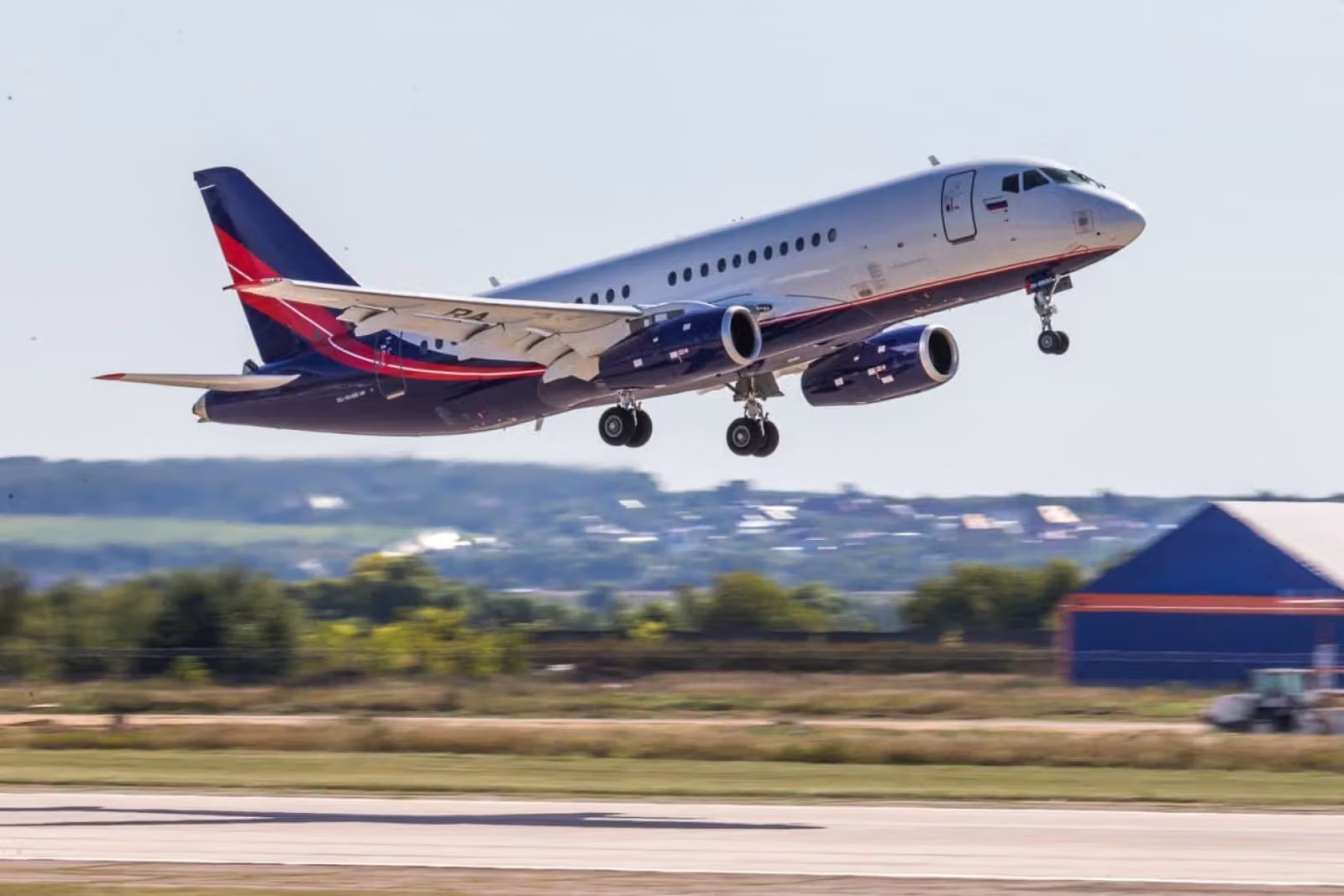
This task is more extensive - two to three years, taking into account the start of mass production of PD-8 engines. Making improvements in the design plan is not as difficult as some other things, it will take several months. At the same time, I think that modifications to the existing Superjet fleet can be made within a year.
From the fleet of Russian airlines,339 aircraft and 200 helicopters may be retired by the end of 2030, noted the head of Rosaviatsiya, Dmitry Yadrov. Currently, there are 1088 aircraft "on the wing", and 47 aircraft are not in operation.
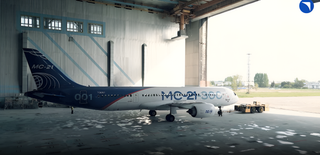
Earlier,www1.ru reported thatRussian tires for the chassis of MS-21 and SJ-100 aircraft have successfully passed certification.
Read more materials:
Never miss our newsAdd this site to your preferred sources to see us more oftenAdd on Google