Translated with AI from the Russian original.
Russia produces several interceptor drones, including "Yolka", "Tarantul-Ptitselov" and "Kinzhal". They operate on the principle of kinetic interception, literally ramming the enemy's drone. The destruction occurs due to the speed and mass of the attacking UAV. This is written by the Western publication Army Recognition.
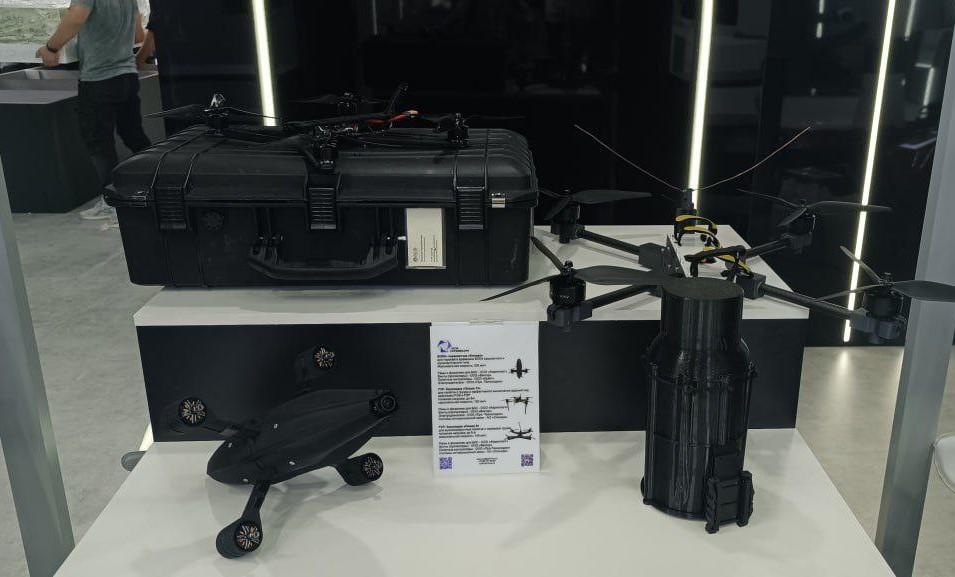
Many Russian interceptor drones are at the prototype or testing stage. There is no talk of their mass production yet.
According to Army Recognition, Russia is also developing high-speed interceptor drones to ram reconnaissance drones and loitering munitions.
The US and the USSR considered using drones as interceptors back in the Cold War.
However, at that time it was difficult to create an effective interceptor drone without a reliable autonomous guidance and control system. It was not until the 2010s that the American Raytheon Coyote single-use UAS appeared, which could be adapted for kinetic interception. This was facilitated by the integration of a radar guidance system into the UAV.
Since 2022, there has been a need to develop tactical interceptor drones. However, they have a number of limitations: flight time up to 30 minutes, weather conditions (wind and precipitation), flight altitude.
Most interceptor drones cannot reach a target flying at medium and high altitudes. They are also vulnerable to electronic warfare systems.
Read also on the topic:
Europe was frightened by the growing Russian arsenal of missiles
Small but precious: a compact modification of the Geran kamikaze drone has appeared
A new drone control system that reduces UAV losses has been developed in Russia
Never miss our newsAdd this site to your preferred sources to see us more oftenAdd on Google

















