Poor-quality anti-drone cloaks, which were supposed to make Russian soldiers invisible to drones, have actually made it easier for the enemy to detect them, according to the Western publication The Telegraph.
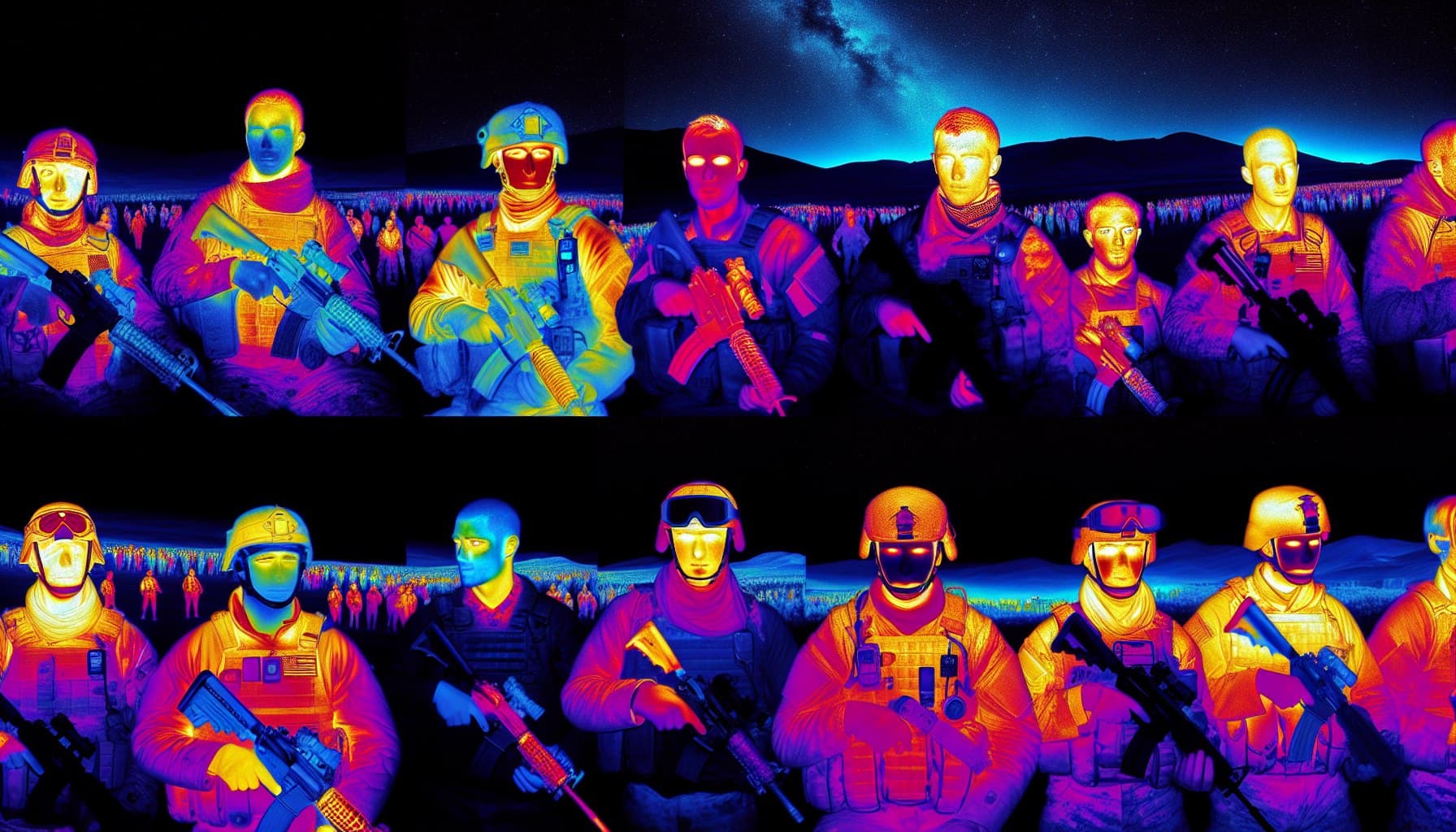
As the author of The Telegraph explains, the cloaks conceal the thermal signature, making it difficult to detect soldiers using night vision devices and infrared optics. But soldiers wearing poor-quality equipment appear in thermal imagers as dark spots against a lighter background.
Because of this contrast, they become even more vulnerable than without this equipment.
According to The Telegraph, another common problem with the "invisibility" cloaks is the inability to use them properly. Allegedly, some soldiers have their arms and legs visible from under the camouflage cloak.
Apparently, Russian servicemen simply do not understand how to properly use their uniforms.
According to the British publication, Russian thermal imager cloaks cost about $46 apiece. They are made of polymeric materials with metallic particles. The weight of the camouflage cloak is about 2.5 kg.
Read more on the topic:
Invisibility cloak developed for Russian military: thermal imager will not see
Invisibility cloak developed for Russian military: invisible to thermal imagers from 100 m