Translated with AI from the Russian original.
After the Second World War, one of the innovations in aviation were single-seat compact helicopters. Small aircraft were mainly used for reconnaissance, and Soviet designers also developed similar ideas.
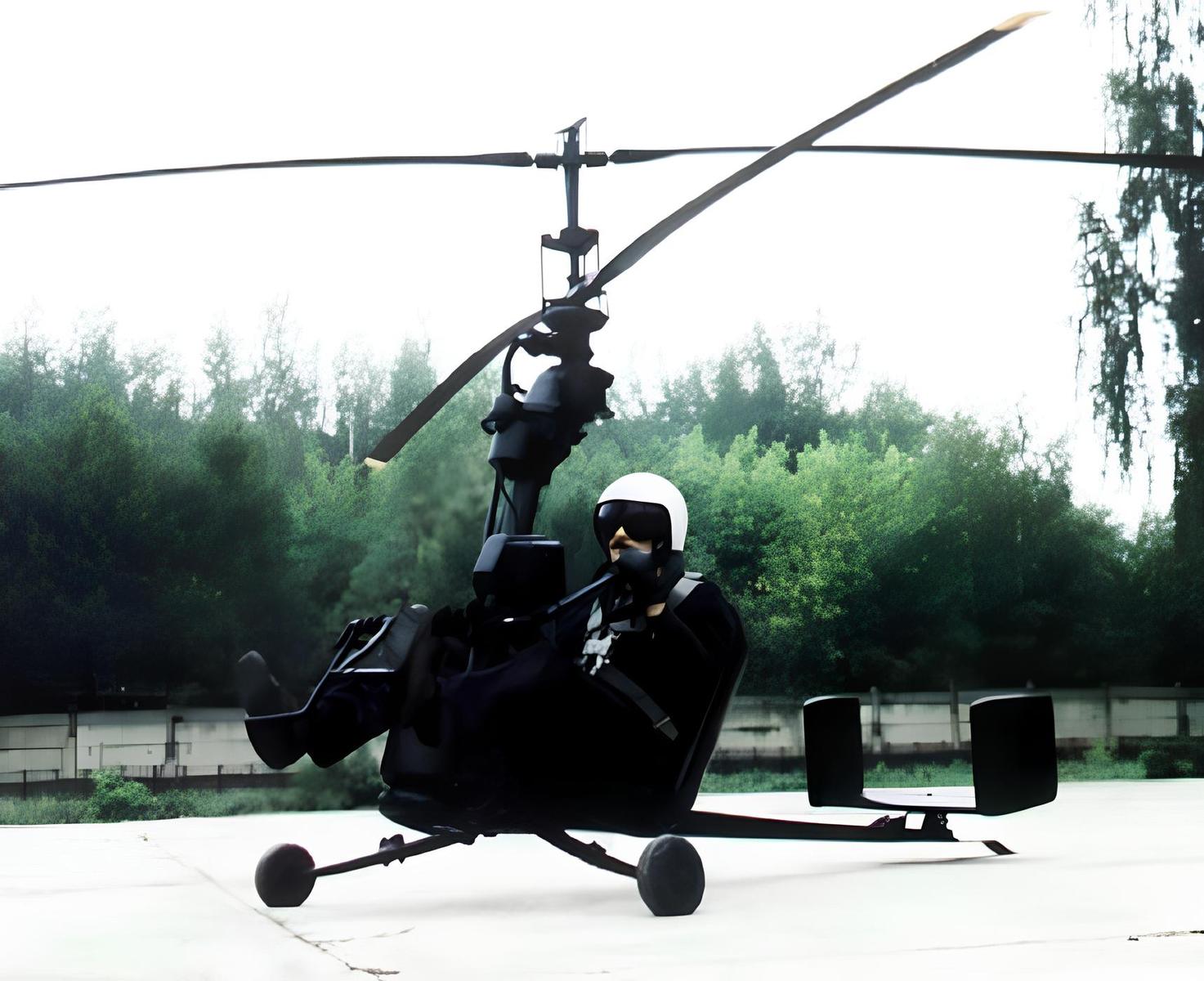
Some of them were eventually used for several decades, while others remained at the project stage. One of these unrealized projects was the folding helicopter Ka-56 "Osa".
First attempt
Legendary aircraft designer Nikolai Kamov in 1947 developed the single-seat Ka-8 helicopter, which was to be used for reconnaissance and communications troops. The aircraft was a structure made of steel tubes with an open pilot's seat on two inflatable cylindrical pontoons. To rotate the two propellers, a 27 hp engine was used.
Later, the project was developed during the development of the Ka-15 - the helicopter was nicknamed "Hen". If initially the "helicopter" accelerated to 80 km/h, then the indicators of the analogue reached 155 km/h.
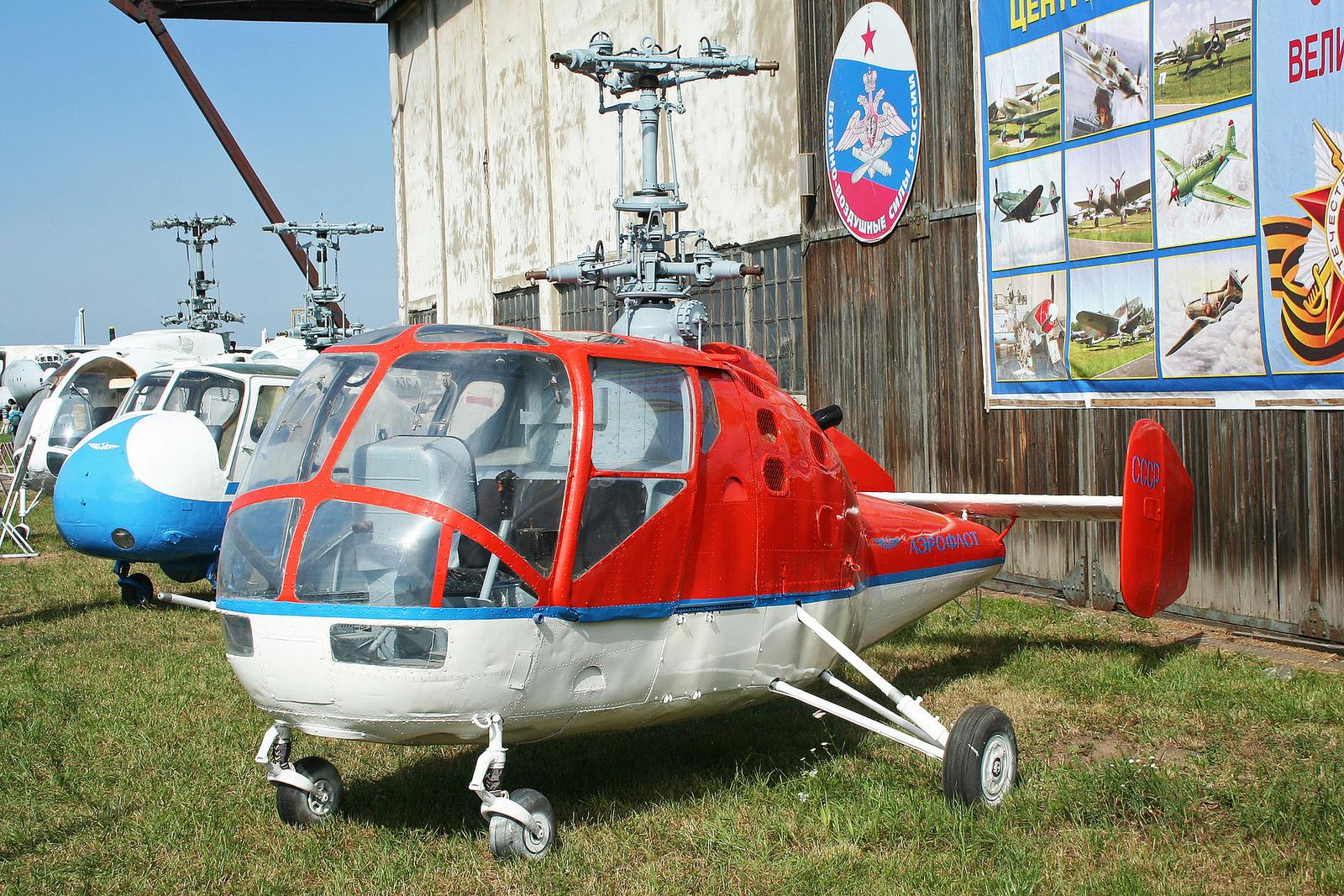
In total, 354 such helicopters were produced in the USSR, they were used from the 50s to the 70s both for civilian and military purposes. However, the Ka-15 turned out to be too unreliable and often crashed. Therefore, engineers were tasked with developing a new machine that would meet the needs of various fields, but at the same time would be more advanced.
Ka-56 "Osa"
In 1971, the Kamov Design Bureau developed a single-seat ultra-light Ka-56 helicopter.
When folded, it fit into a cylindrical container up to 50 cm in diameter. The assembly procedure took no more than 15 minutes.
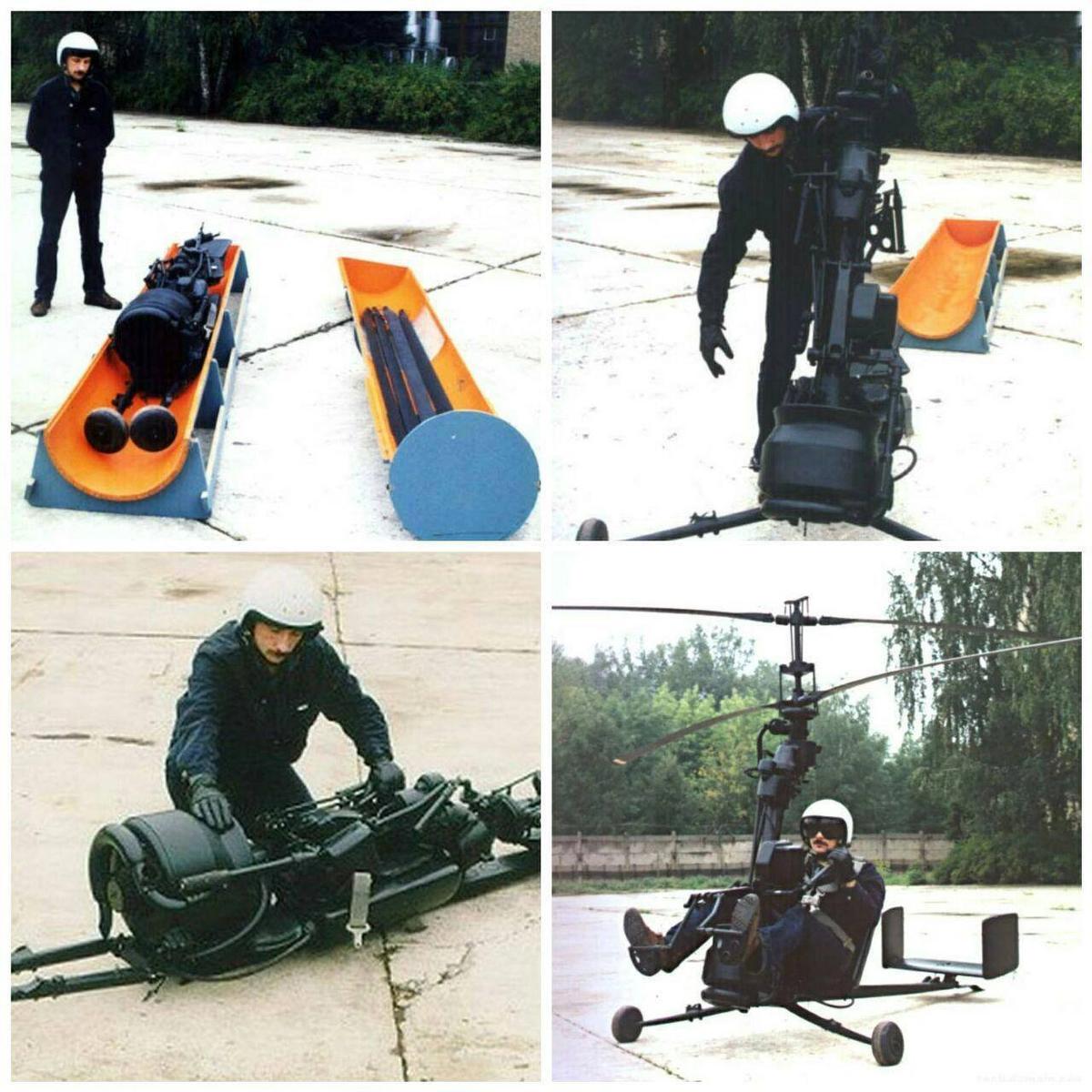
It was assumed that the Ka-56 would be based on submarines and surface ships of the Navy. Aircraft designer Gennady Panatov noted that for transportation, the helicopter was placed in a sealed container, the dimensions of which allowed the Ka-56 "Osa" to be unloaded through the torpedo tube of a submarine.
The take-off weight of the helicopter was planned at 220 kg, the Ka-56 can lift 110 kg of cargo and accelerate to 110 km/h with a range of 150 km/h.
Why the project was not launched
However, the project never saw the light of day. For demonstration purposes, the developers released only one copy. The "Osa" needed a rotary-piston engine with air cooling. But at that time there were no suitable engines of this kind in the USSR, so the project was closed.
Earlier www1.ru reported that BTR-82 footage with an "irokeza" appeared on the Web. This is how the military solved the problems with drones.
Read also materials:
Never miss our newsAdd this site to your preferred sources to see us more oftenAdd on Google

















