Translated with AI from the Russian original.
Exactly 50 years ago, on January 21, 1975, the Su-15TM interceptor was adopted into the arsenal of the Soviet Union's army. The government of the country commissioned the creation of this modification of the base version of the Su-15 in April 1965.
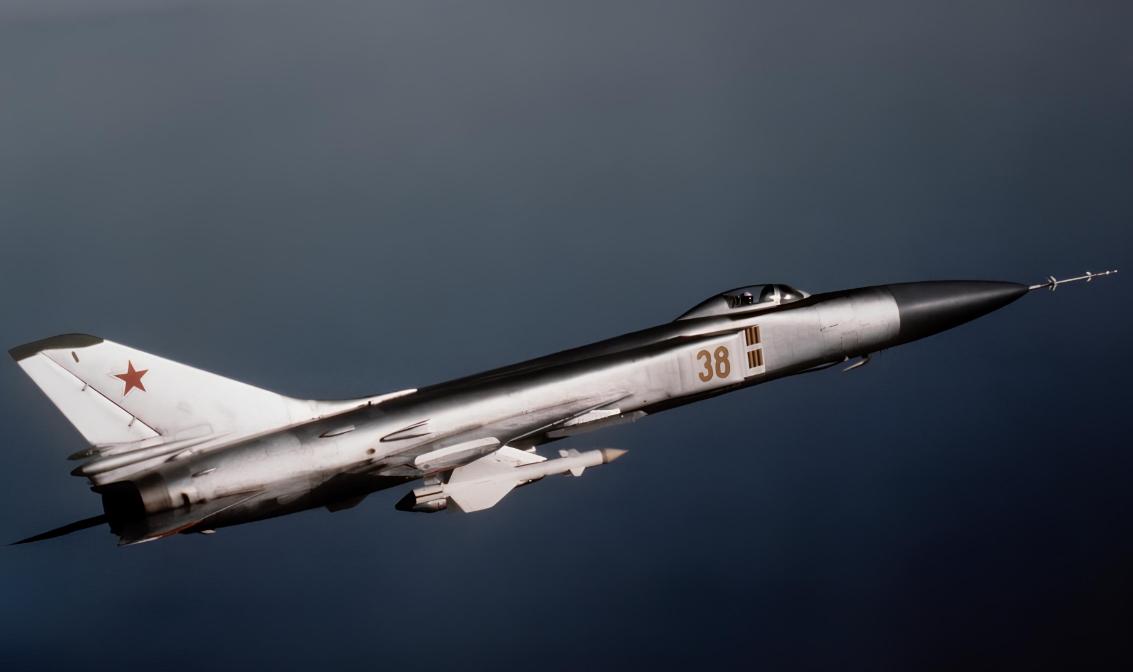
The Sukhoi Design Bureau prepared and defended the preliminary design of the aircraft, which at that time was called "Su-15 II stage of modernization."
It was planned to install the Korshun radar station (RLS), K-58 missiles, and automatic control systems on it. Thanks to the new equipment, engineers planned to expand the range of altitudes and speeds of intercepted targets, as well as automate the interception process itself.
But in the fall of 1967, the designers decided to install the Typhoon radar, which was used on the MiG-25P, on the modernized Su-15. The Sukhoi Design Bureau launched a new cycle of design work, followed by full-scale state tests.
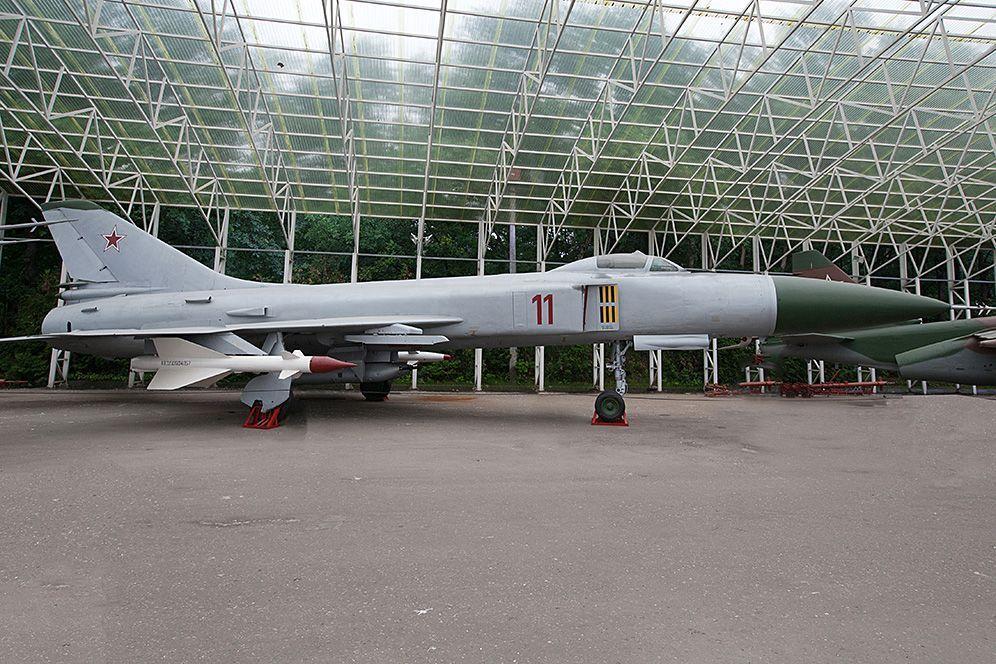
As a result, the Su-15TM aircraft was launched into serial production in two stages. In 1970, 20 copies under the name Su-15T rolled off the assembly line, and from 1971 - already as Su-15TM. However, the tests were delayed due to the need to refine the new radar, which had low reliability at the initial stage.
The final act of state tests was signed only in April 1973, when the aircraft had already entered the troops. It took almost two more years to eliminate all the identified shortcomings, until, finally, in the government decree, the new interception complex received the designation Su-15-98M, the aircraft itself - Su-15TM, its radar - RP-26, and the missile - R-98M.
The Su-15TM was in serial production until the end of 1975, with a total of 421 such machines produced in the USSR.
Flight and technical characteristics of the Su-15TM:
- Wingspan - 9.43 m
- Aircraft length - 22.03 m
- Aircraft height - 4.84 m
- Empty aircraft weight - 10760 kg
- Maximum take-off weight - 17900 kg
- Engine type - two R-13-300 turbojet engines
- Maximum speed: near the ground - 1400 km/h, at an altitude of 12000 m - 2230 km/h
- Practical range - 1380 km
- Combat radius of action - 725 km
- Crew - 1 person
Earlier www1.ru reported that more than 1,800 samples of the latest military equipment entered the engineering troops of Russia in 2024
Read also on the topic:
Sky Defender Shoots Down ATACMS and Storm Shadow: Guidance Footage of the Pantsir-S SAM System
Rare Shots from the Gunner-Operator's Sight of the BMPT: ATGM "Ataka-T" and Machine Gun Used
"Tit" in Skilled Hands: What the Russian Electronic Warfare Station is Capable Of
Never miss our newsAdd this site to your preferred sources to see us more oftenAdd on Google

















