Russian oil companies significantly reduced the commissioning of new oil wells in January-November 2024. Volumes fell by 12.3% compared to the same period in 2023, amounting to 6.96 thousand new wells. Journalists drew attention to this, and we will tell you more about what happened.

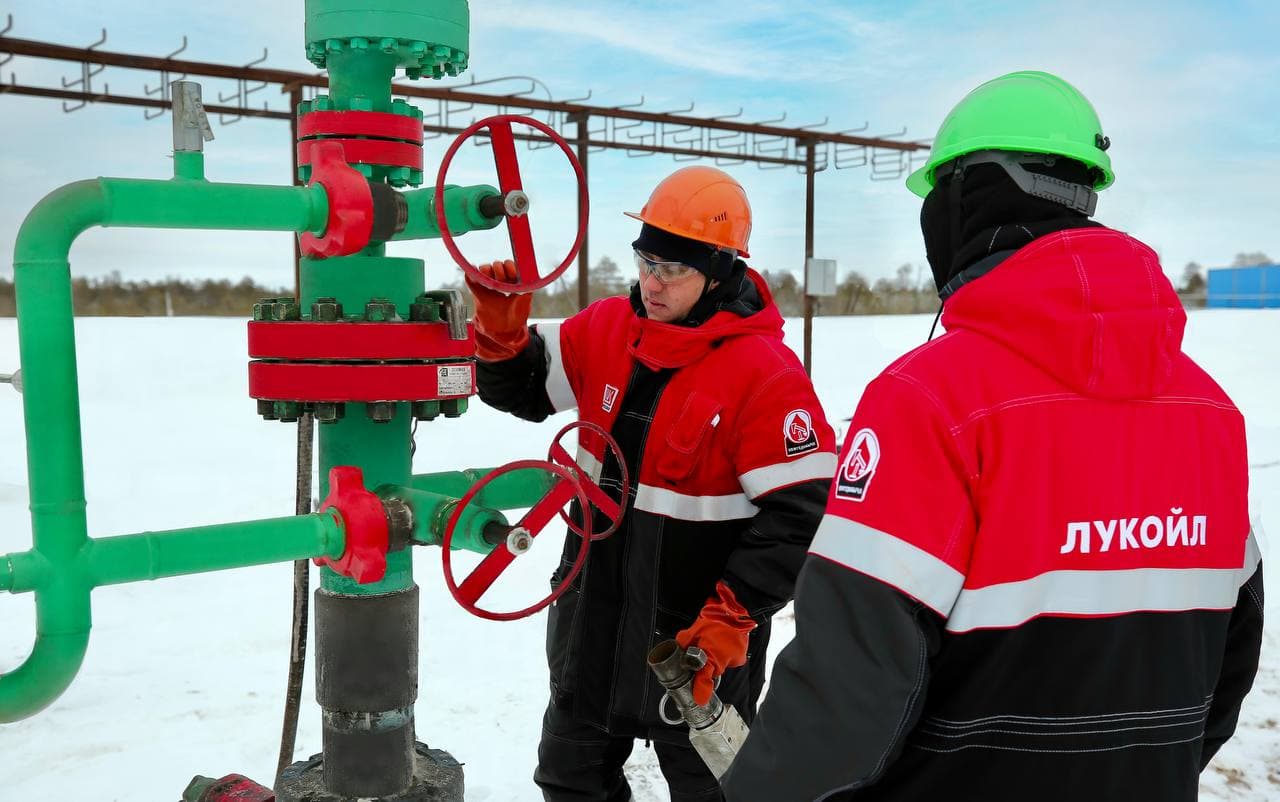
The largest decrease was shown by Tatneft. Its number of commissioned wells decreased by 1.7 times to 693 pieces. LUKOIL reduced commissioning by 21.9%, and Rosneft and Gazpromneft by 10.4% and 3.6%, respectively. At the same time, Russneft, Surgutneftegaz, and NNK increased the number of wells launched.
The volume of operational drilling also decreased, although not as significantly - by 1.2% to 27.7 thousand meters. The most successful months for oil workers were August and September, when 2.8 thousand meters and 2.7 thousand meters were drilled. Tatneft and LUKOIL showed a significant decrease in operational drilling.
Why Oil Companies are Reducing Drilling: Analysts' Opinion
Analysts attribute the reduction in drilling and the commissioning of new wells to the increase in costs, restrictions on oil production under OPEC+, and the fall in raw material prices. In 2024, the government predicted that oil production would remain at 518-521 million tons. This also reflected current trends in the industry.
According to Kasatkin Consulting, the volume of new wells commissioned decreased by 10% in 2024, while the share of horizontal drilling in the total footage is approaching 70%. The main reasons for the decrease in the commissioning of new wells are the increase in costs and inflation, which makes drilling on existing wells more economically profitable.
The market situation remains difficult. Experts do not see significant drivers for the growth of drilling and well commissioning indicators in 2025.
Read also on the topic:
AI Developed "Smart Molecules" to Increase Oil Production at Russian Fields
MIPT Developed Software for Electrical Exploration of Deposits
Domestic Equipment for Hydraulic Fracturing will Appear in 2025