The composite nacelle of the PD-14 required an additional lightning protection system, which increased the mass of the engine's external components. To protect the carbon fiber, ODK engineers used a conductive copper mesh and several metallization jumpers.
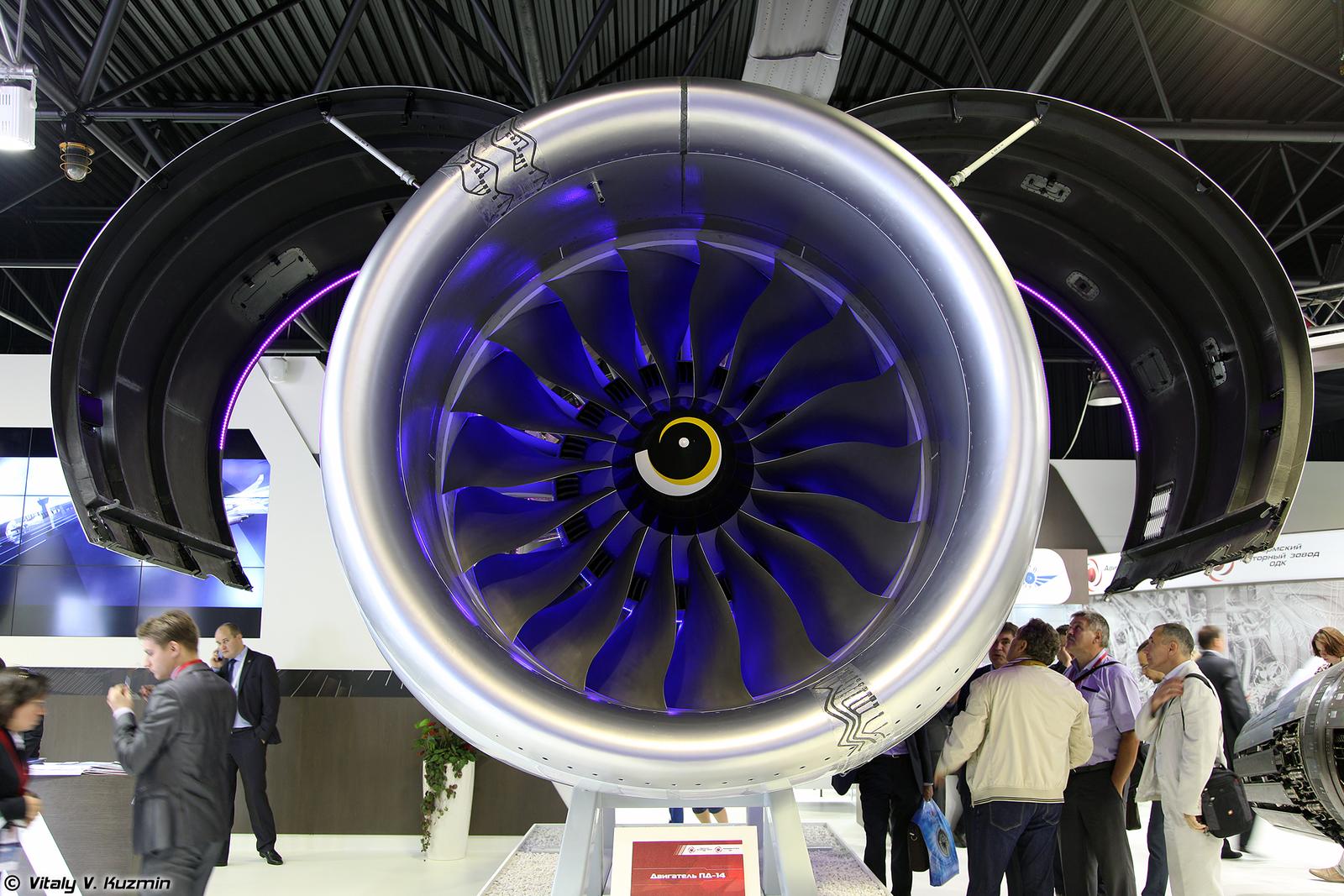
The problem is related to the nacelle's design itself. The air intake, cowlings, and thrust reverser components are made of polymer composite materials, which conduct electricity significantly worse than metals. In the event of a direct lightning strike, the charge must be quickly diverted to the onboard metallization system.
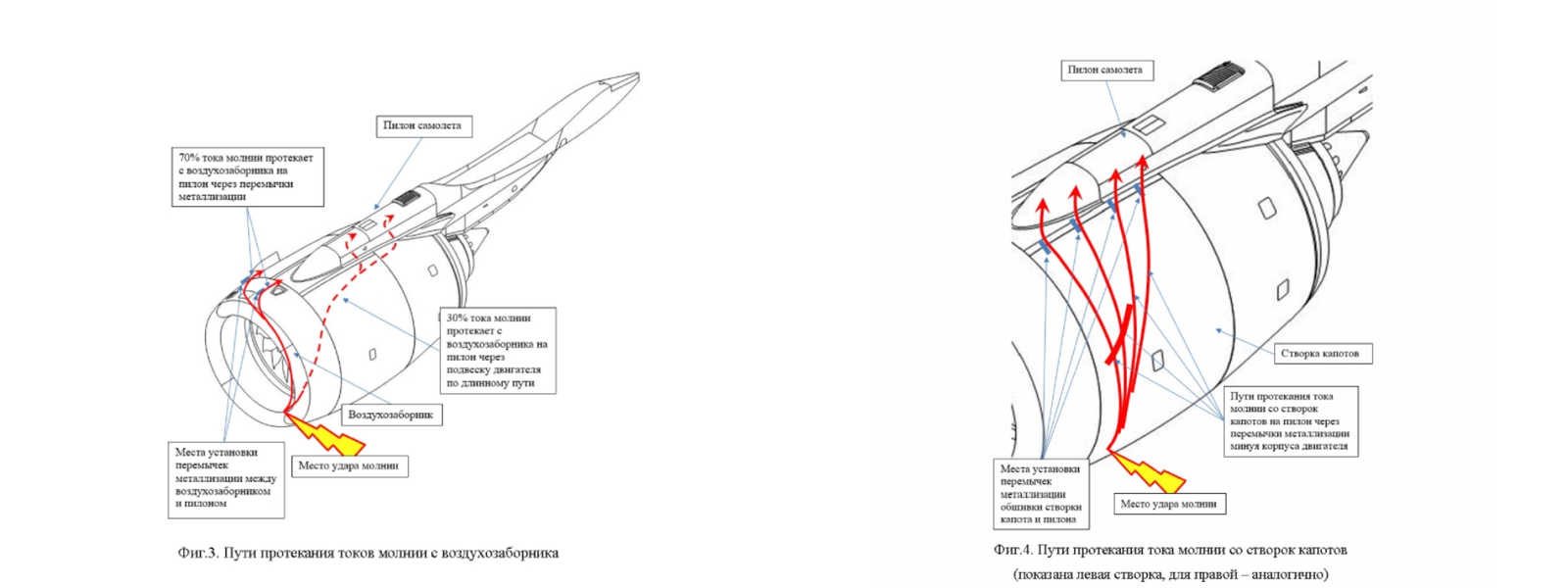
In the patent for the protective coating, ODK proposes using a solid-metal expanded copper mesh SFM-051-84. It distributes the current over the surface of the composite part, after which the charge is diverted through special electrical connections.
Each movable cowling flap is equipped with at least 4 parallel metallization jumpers made of tinned copper braid. Their total contact resistance must be less than 500 micro-ohms. For the air intake fairing, at least 2 such jumpers are used.
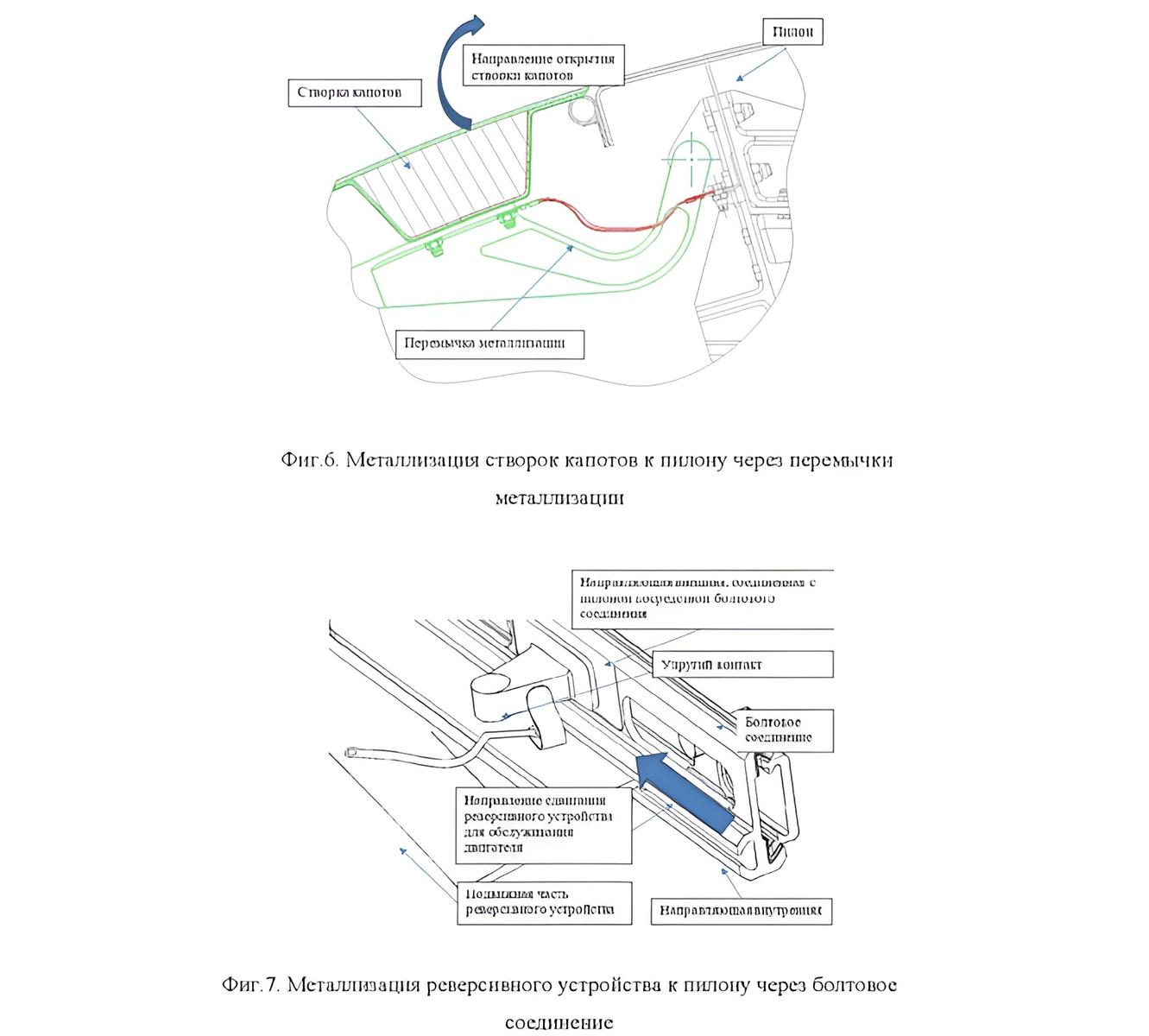
This scheme allows most of the lightning current to be diverted from the composite nacelle directly to the aircraft pylon. According to the developers' calculations, in the event of a strike to the air intake, at least 70% of the current bypasses the engine casing.
The system has already been tested as part of the PD-14 on a mainline aircraft, according to the document on the FIPS website. As is known, the power plant is intended for the new import-substituted MC-21-310.
Read more on the topic:
Never miss our newsAdd this site to your preferred sources to see us more oftenAdd on Google