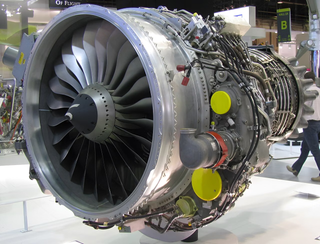
United Engine Corporation (ODK) explained the process of manufacturing and applying thermal protection to PD-14 engine turbine blades in a vacuum ion-plasma unit. The melting point of superalloys, from which high-pressure turbine blades are made, is about 1300–1400 °C.
ODK specified that surface preparation comes first. Before applying ceramics, the part is treated with electrocorundum.
The main task is to create controlled roughness. Such a notch increases the adhesion area and provides mechanical adhesion between the metal and the ceramic.
Then comes the application of the bonding layer. The first is a metallic sublayer based on cobalt or nickel with chromium, aluminum, and yttrium. It protects the base metal from oxidation and relieves stresses due to the difference in thermal expansion coefficients between the metal and the ceramic.
This is followed by the spraying of the ceramic layer. The finish coating based on yttrium-stabilized zirconium dioxide has extremely low thermal conductivity. This layer, only fractions of a millimeter thick, reduces the temperature of the base metal by 100–150 °C, providing the necessary safety margin.
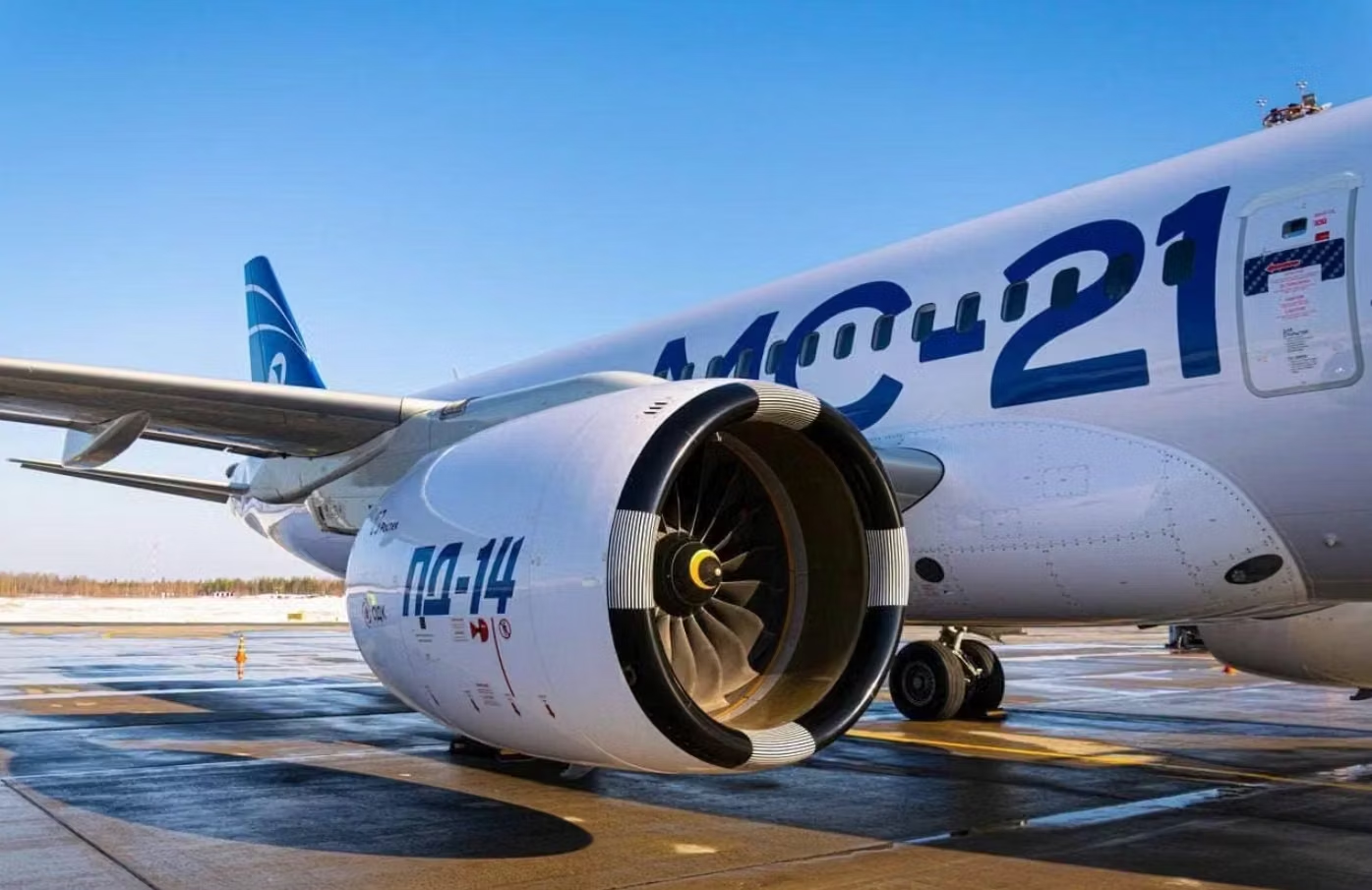
Recall that the PD-14 is installed on MS-21-310 liners that have not yet entered series production; there is no flight data yet. The PS-90A in various modifications is used on Tu-214, Il-76, and Il-96-300. Earlier, aviation expert Roman Gusarov explained why the PD-14 is not planned for installation on the Tu-214 after the resumption of production.
Read more on the topic:
Never miss our newsAdd this site to your preferred sources to see us more oftenAdd on Google