The Russian PD-14 engine and the American-French CFM LEAP-1A belong to the same generation of aircraft engines and are designed for modern medium-haul liners.
The former was created specifically for the MC-21, the latter became the main engine for the Airbus A320neo. Let's analyze the characteristics of the power units according to five key criteria and identify the strongest.
Thrust
The PD-14 develops a take-off thrust of up to 14 tons, while the LEAP-1A, depending on the modification, ranges from 11.3 to 15.6 tons.
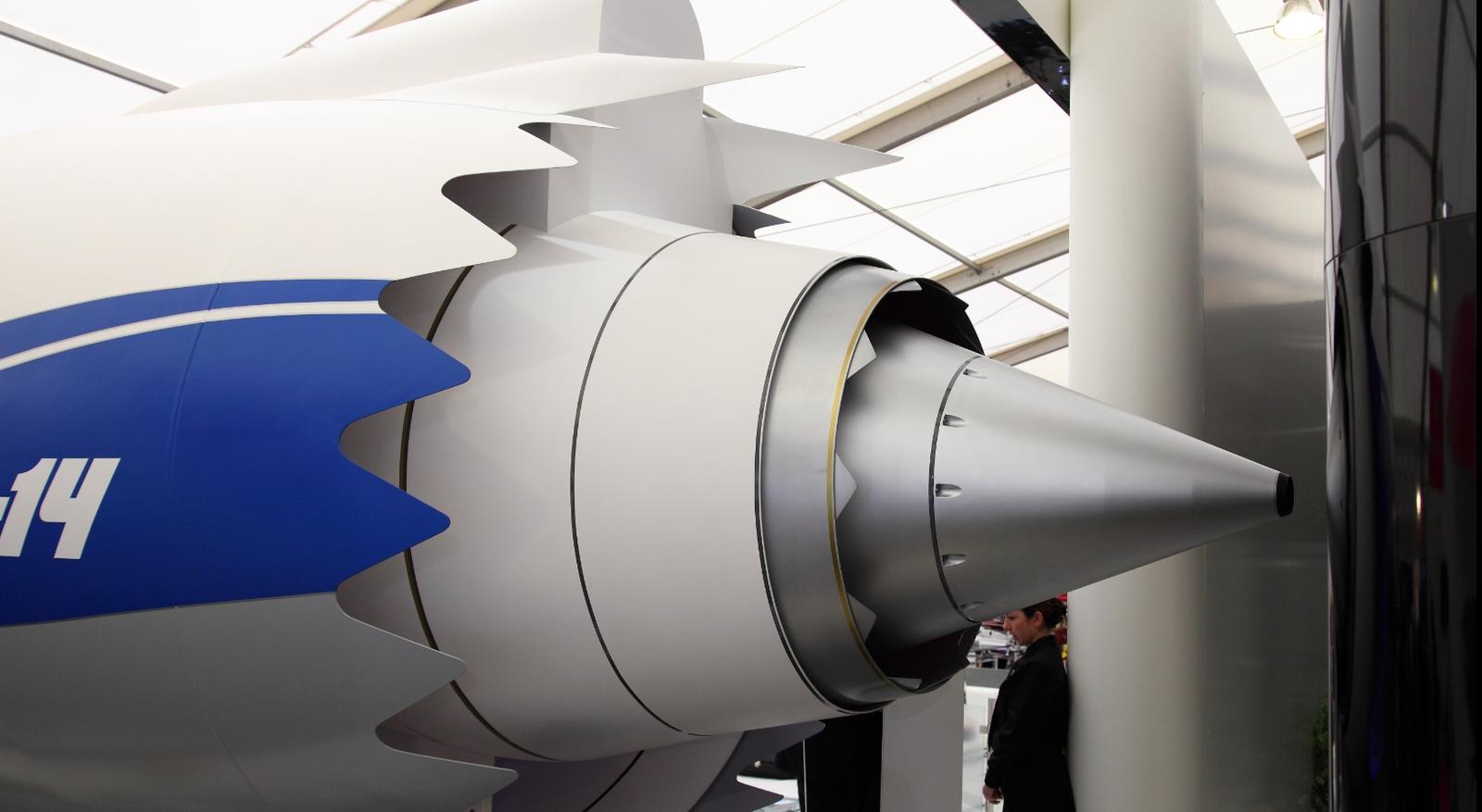
In terms of maximum capabilities, the American-French engine has a small margin. Thanks to a wide range of modifications, it is installed on aircraft with different commercial loads. Here, the LEAP-1A is ahead with a slight advantage.
Efficiency
The LEAP-1A received a composite fan, ceramic matrix composites (CMCs) in the hot section, and a higher bypass ratio – about 11:1 versus 8.5:1 for the PD-14.

These technologies allowed for a reduction in fuel consumption of approximately 15–16% compared to the previous generation of CFM56 engines. The PD-14 became significantly more economical than the PS-90A, but in terms of specific fuel consumption, it is still slightly inferior to its foreign competitor, so the second point goes to the LEAP-1A.
Reliability
The number of LEAP-1A engines produced has exceeded a thousand units, and it has flown tens of millions of hours as part of the world's largest airlines. Despite known problems with individual batches of engines, its service life and operational features are well studied.
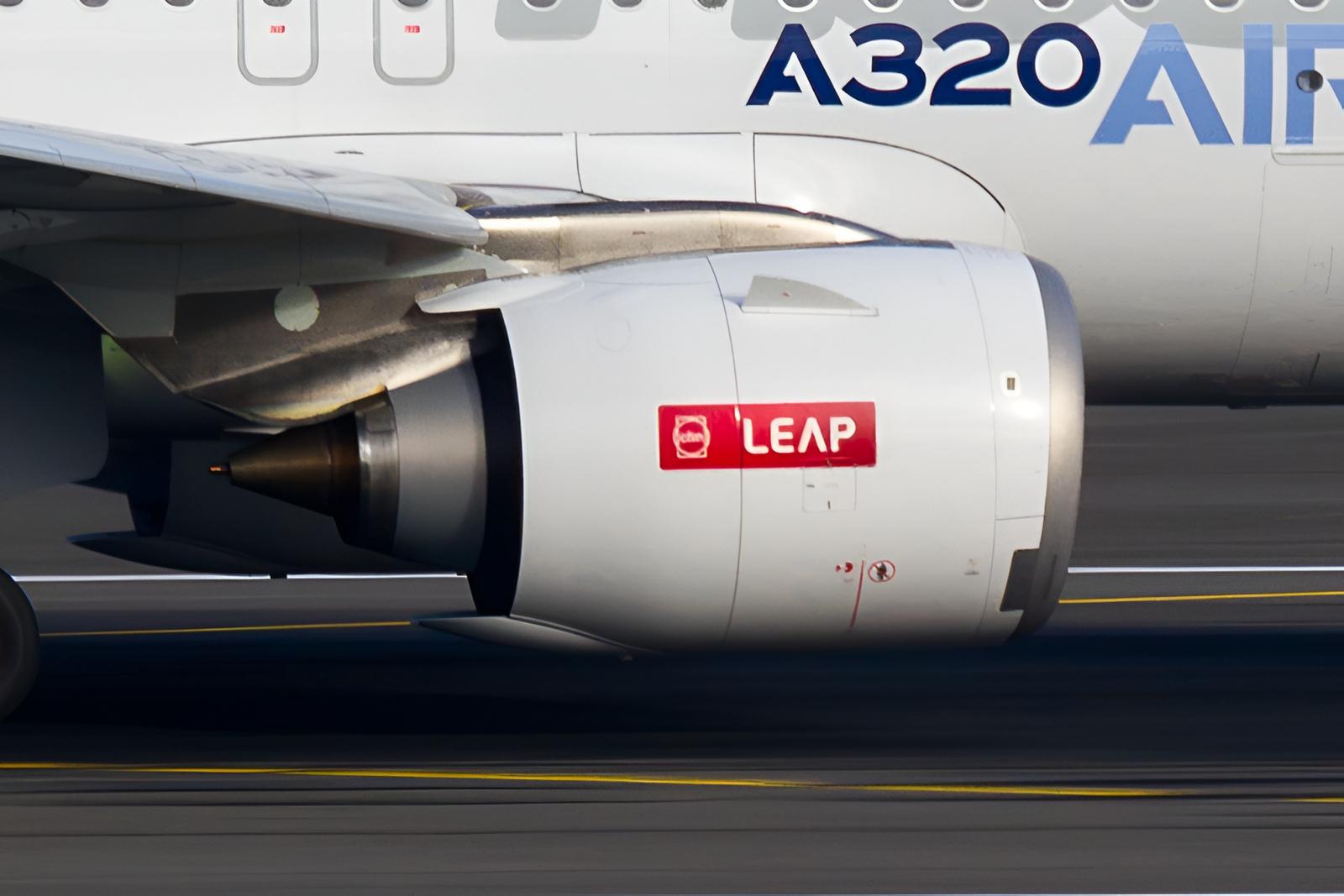
The PD-14 is just beginning mass operation on the MC-21, so full reliability statistics are yet to be accumulated. We award the point to the LEAP-1A.
Maintainability
During the development of the PD-14, great attention was paid to the possibility of performing repairs domestically without dependence on foreign suppliers.
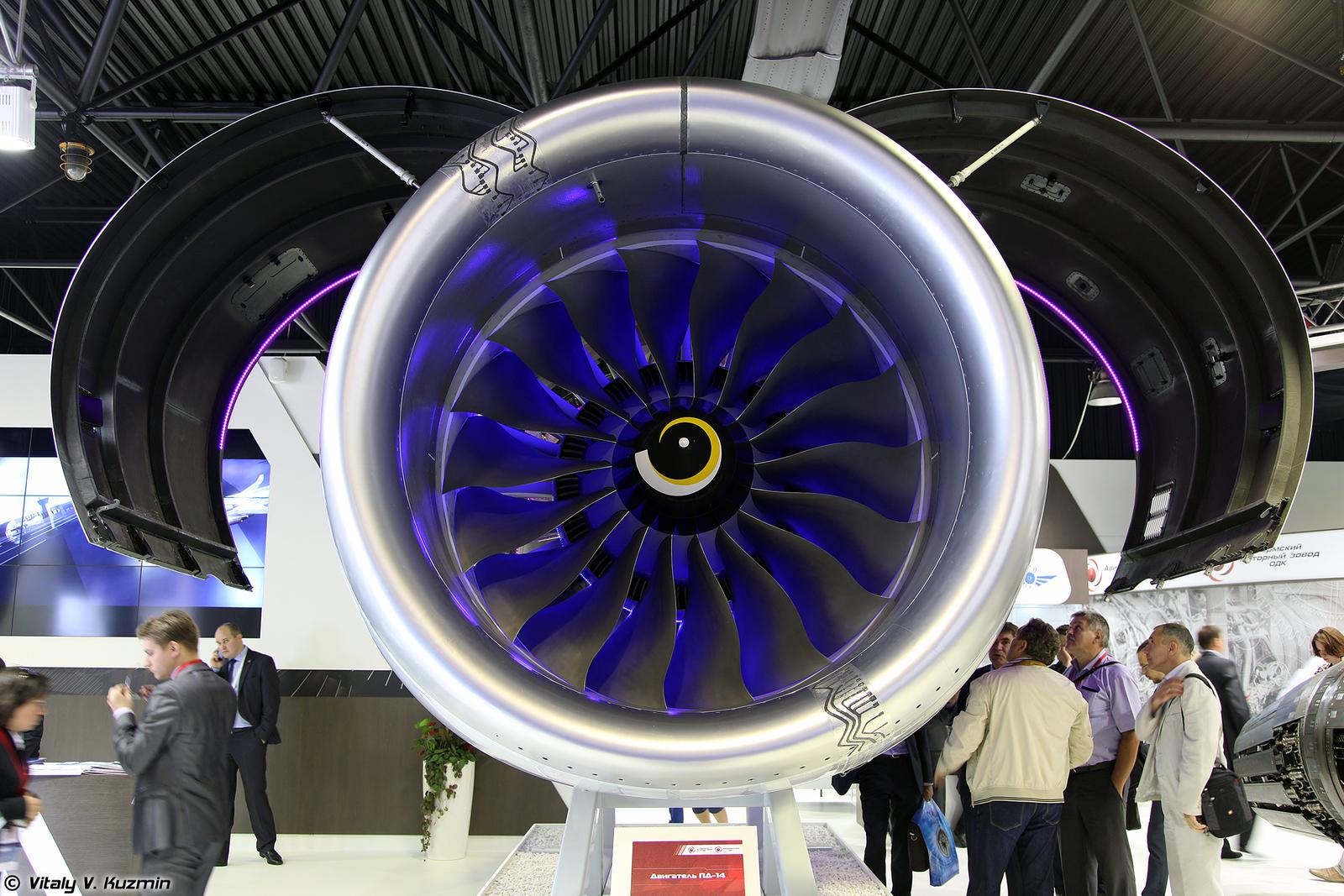
For Russian airlines, this means simpler maintenance and no risk of fleet grounding due to component shortages. Obviously, the PD-14 leads here.
Independence
The LEAP-1A is one of the most technologically advanced aircraft engines in the world, but its production depends on several countries and a global supply chain.
The PD-14 is fully developed and produced in Russia. For the domestic aircraft industry, this means the ability to independently produce engines for the MC-21 regardless of external restrictions, so we give the point to it.
Result – 3:2 in favor of LEAP-1A.
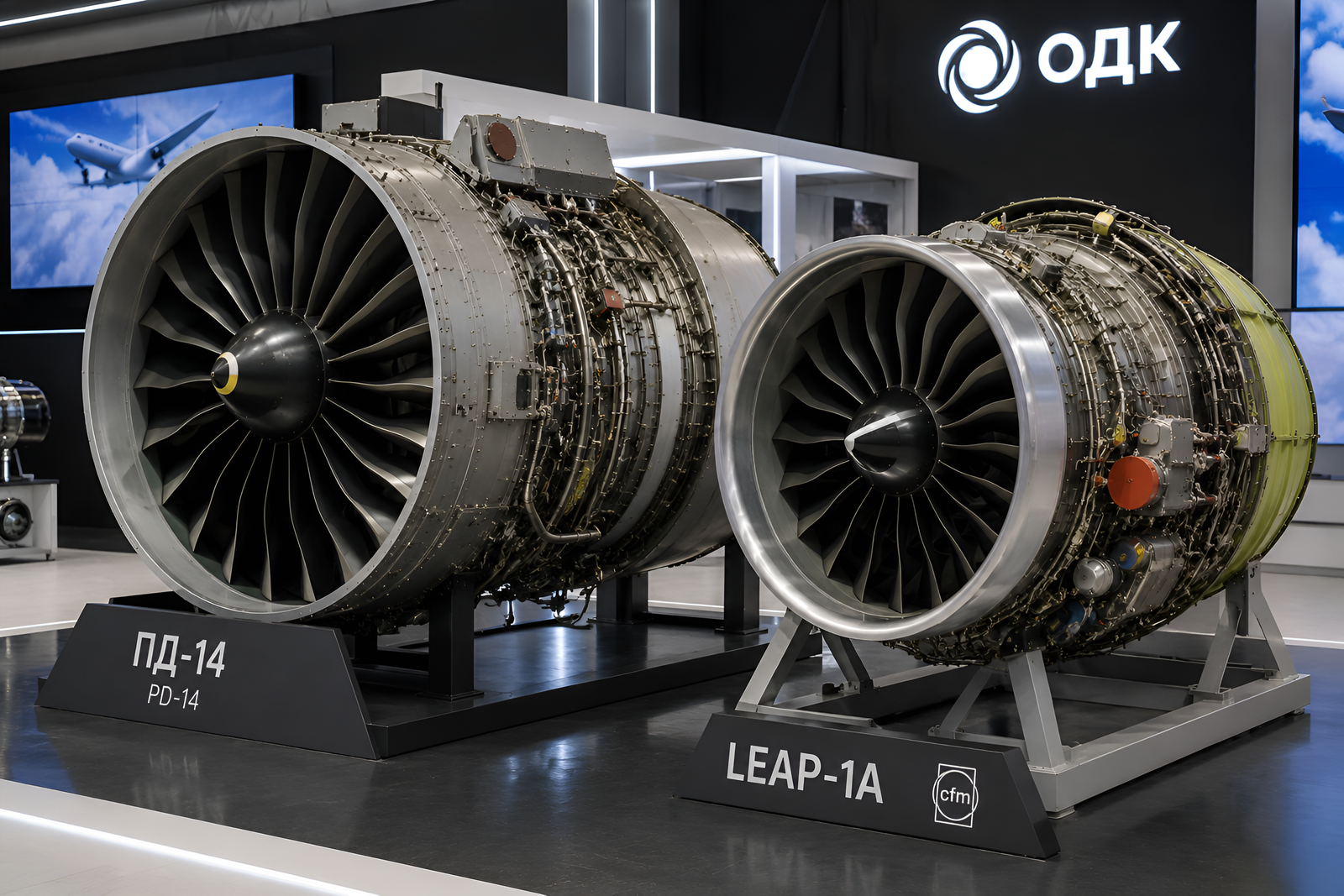
The American-French engine wins in thrust, efficiency, and accumulated operational statistics. The Russian PD-14 takes the lead in terms of maintainability and technological independence.
Read more on the topic:
Never miss our newsAdd this site to your preferred sources to see us more oftenAdd on Google